Image:
Gael Langevin
InMoov is designed to be replicable on any home 3D printer with a 12x12x12cm print area, with its concept based entirely on community and sharing.


Arduino-based control + MyRobotLab

Height
175
cm

Weight
30
kg

Speed
0
m/s

Payload
2
kg

Mobility
Mobile Base opt.

Actuators
Hobby Servo

DoF (Domains of freedom)
22 - 30
°

As the first 3D-printable life-size robot, InMoov lets you join a global community to build and customize your own assistant.
InMoov robots can share scripts and knowledge, meaning your robot learns from the experiences of others around the world.
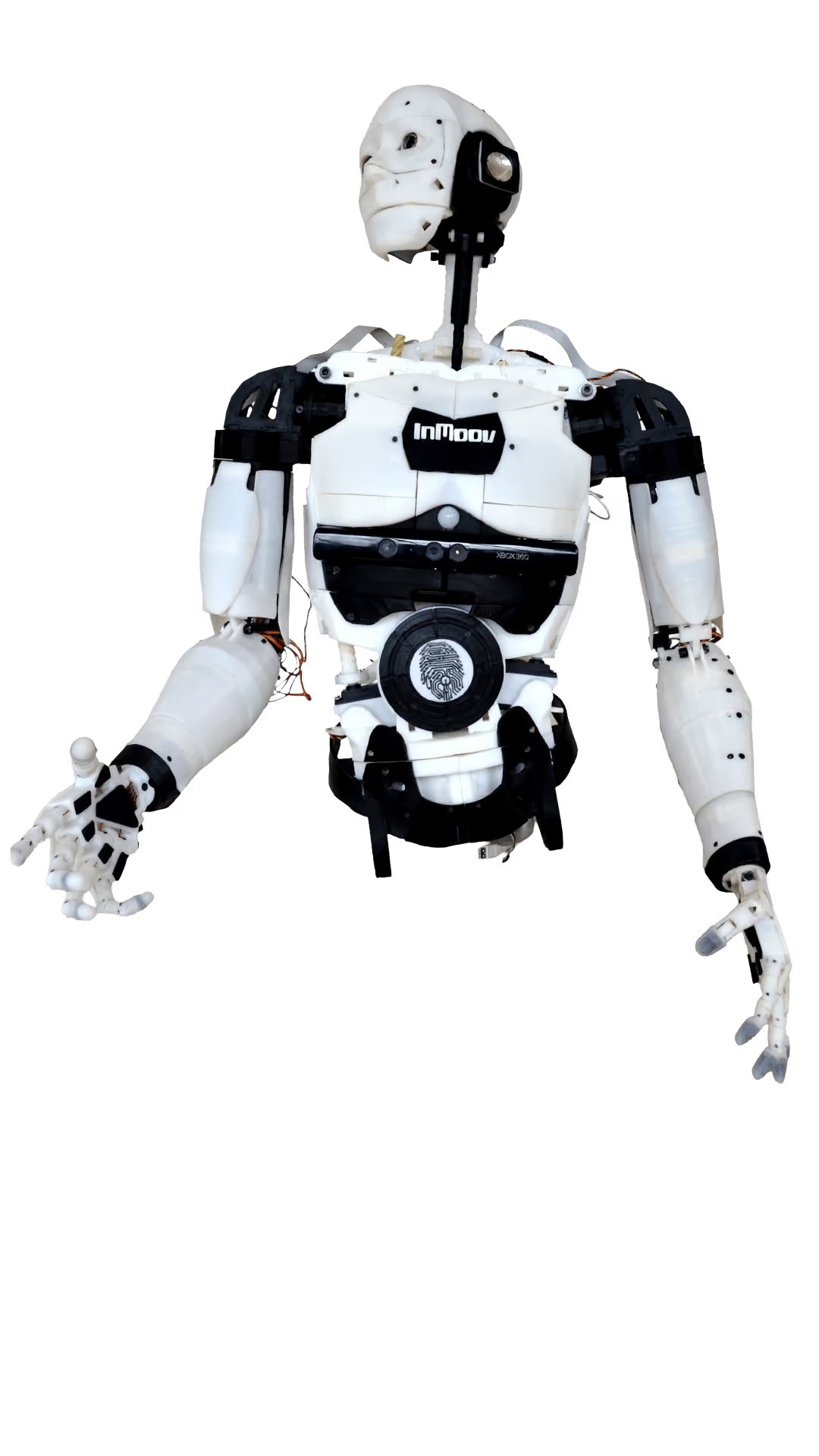
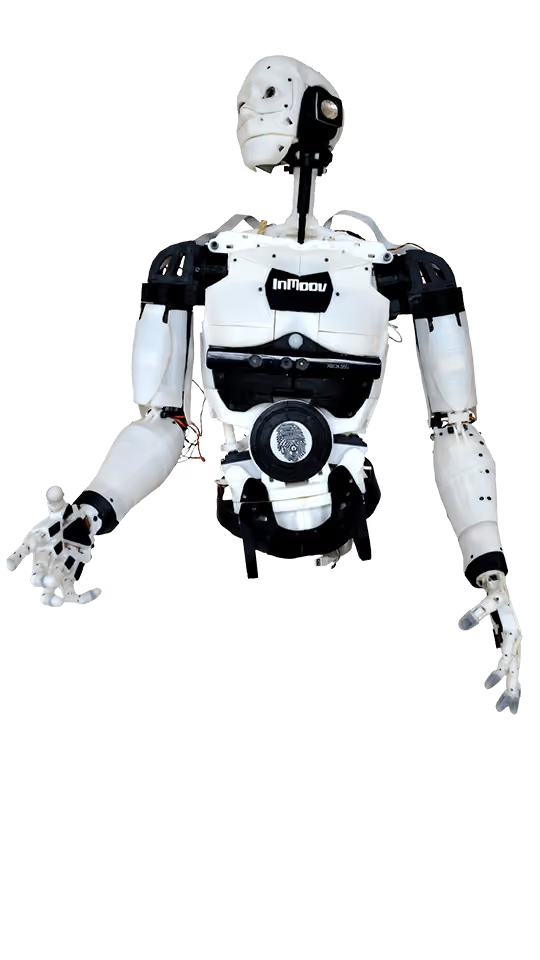
Its movements and gestures are designed to be remarkably human, from independent eye tracking to subtle hand motions.
By using standard hobby components and 3D printing, it brings high-level robotics research right into your home or classroom.

InMoov is designed to be replicable on any home 3D printer with a 12x12x12cm print area, with its concept based entirely on community and sharing.
InMoov is the world’s first 3D-printable, life-size humanoid, designed as a collaborative platform for makers and researchers. Controlled by Arduino and MyRobotLab, it features 22 degrees of freedom and an open architecture that encourages global innovation. Its human proportions and accessible technology make it a primary tool for studying human-robot interaction and prosthetic development.
Image:
Gael Langevin
A globally beloved 3D-printable humanoid that democratized robotics, allowing makers everywhere to explore human-robot interaction.
InMoov by InMoov
Actuators
Hobby Servo
DoF (Domains of freedom)
22 - 30
°
Height
175
cm
Speed
0
m/s
Weight
30
kg
Payload
2
kg

Runtime
N/A
h

OS / AI System
Arduino-based control + MyRobotLab
Mobile Base opt.
Arduino-based control + MyRobotLab
The world’s first 3D-printable humanoid platform, utilizing an Arduino-based control system and the MyRobotLab software stack for decentralized development.
Features an open-source Computer Vision API and Python-based logic, enabling global researchers to implement low-cost facial recognition and gesture-based social interaction.
Image:
Gael Langevin
Global maker community and universities like University of Bordeaux and various FabLabs.
STEM educators, independent researchers, and prosthetic development startups.
Open-source humanoid with full adult scale.
Builders often add faces, voices, and character traits.
Highly articulated, human-inspired hands.
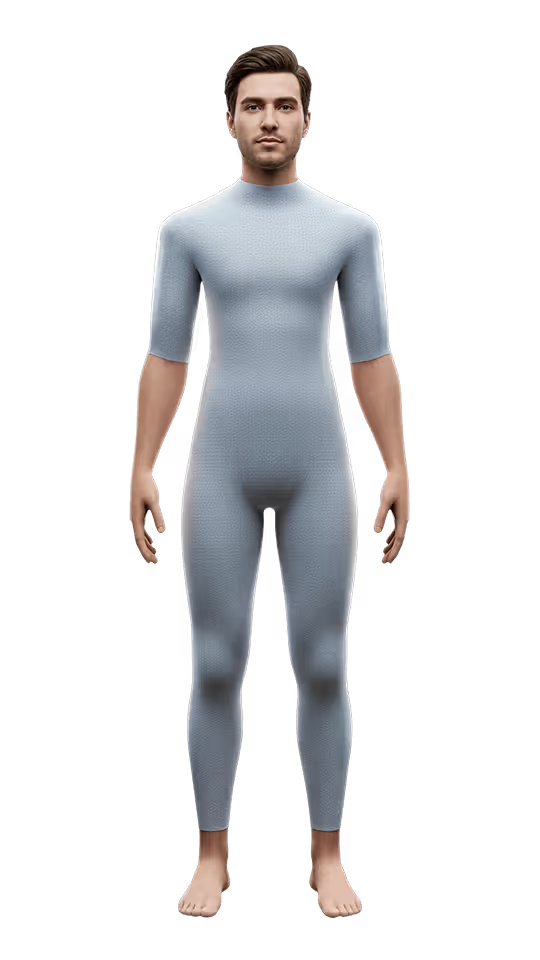

by
InMoov
InMoov is designed to be replicable on any home 3D printer with a 12x12x12cm print area, with its concept based entirely on community and sharing.

by
Enchanted Tools
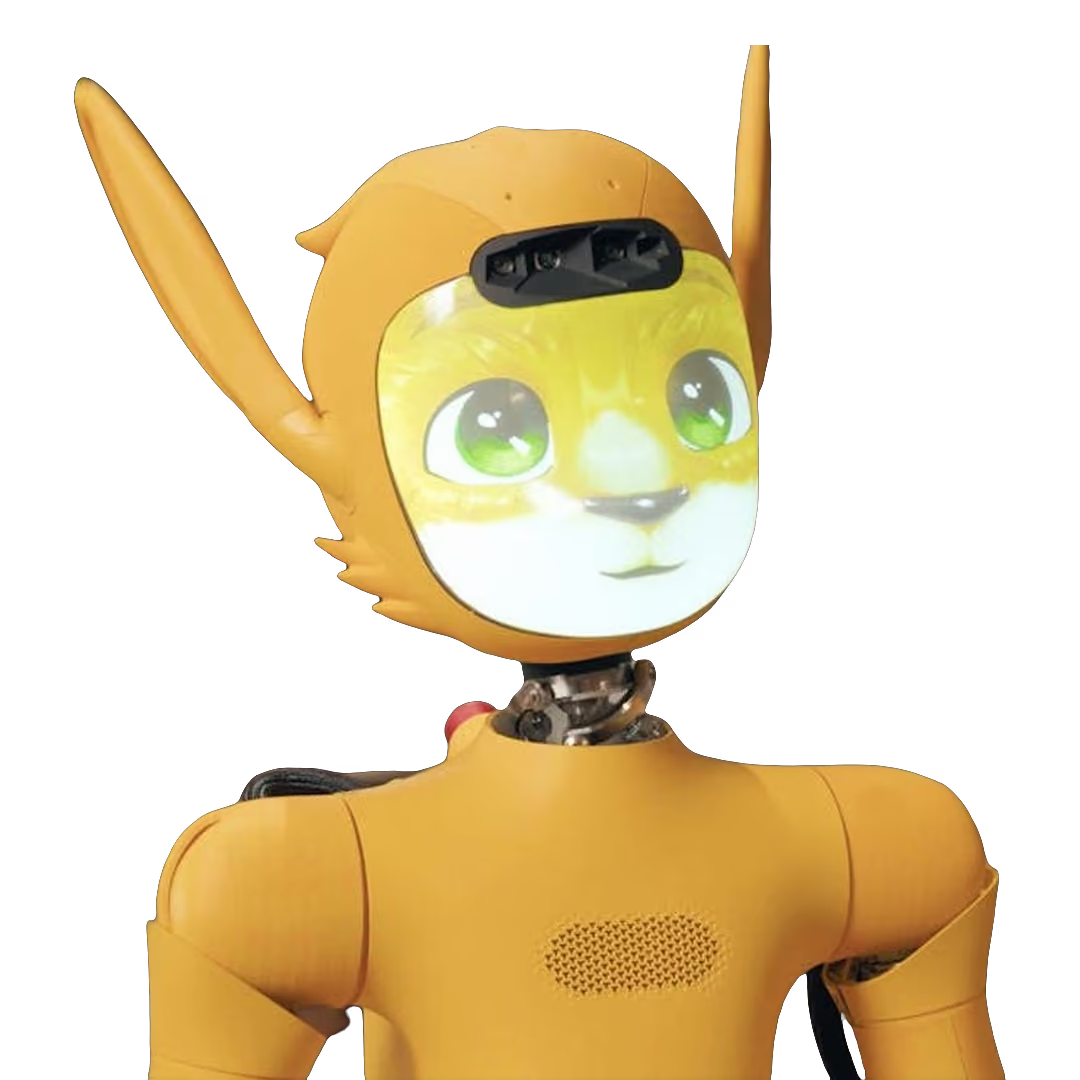
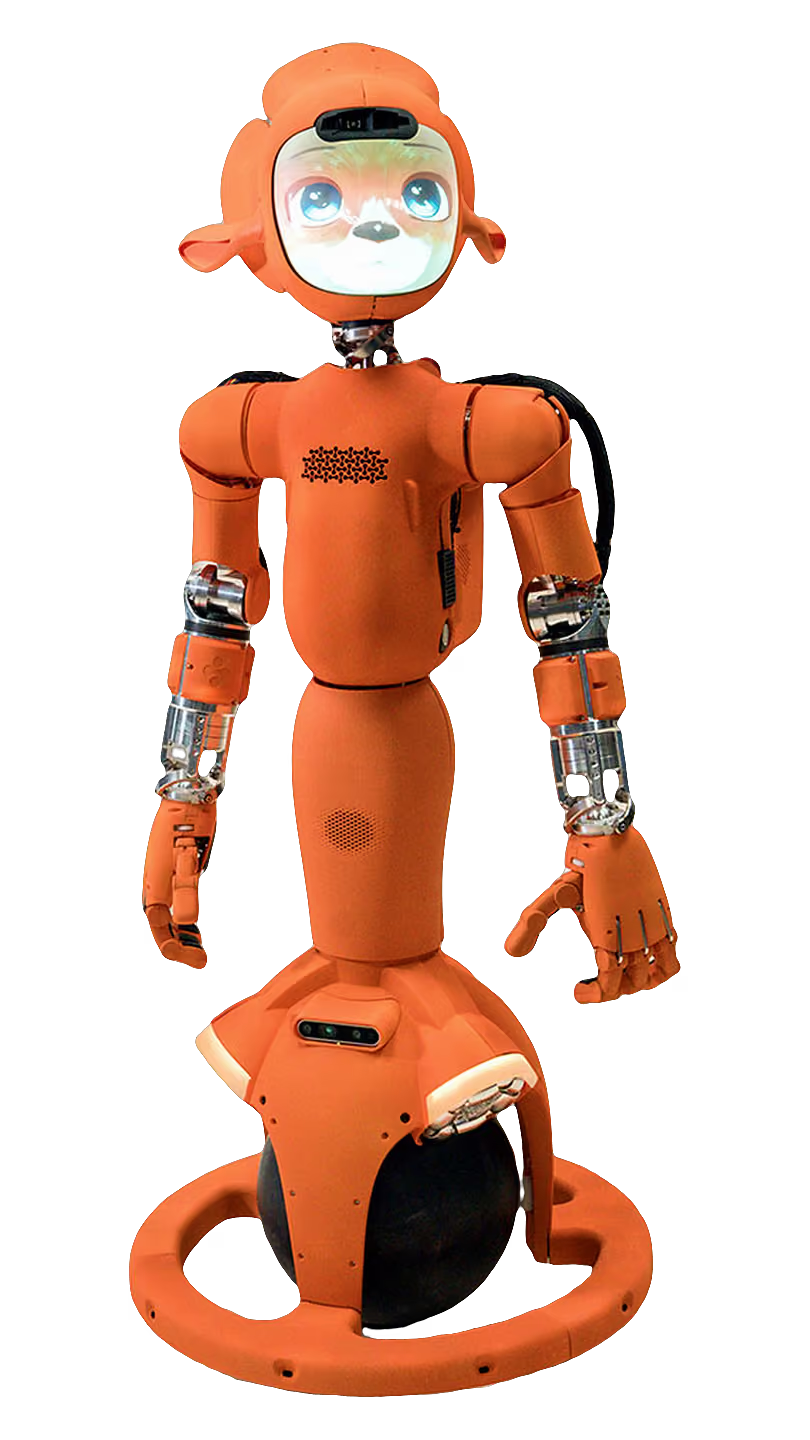
A character-like social logistics robot that balances on a rolling globe (ballbot) and interacts with animated facial expressions.