
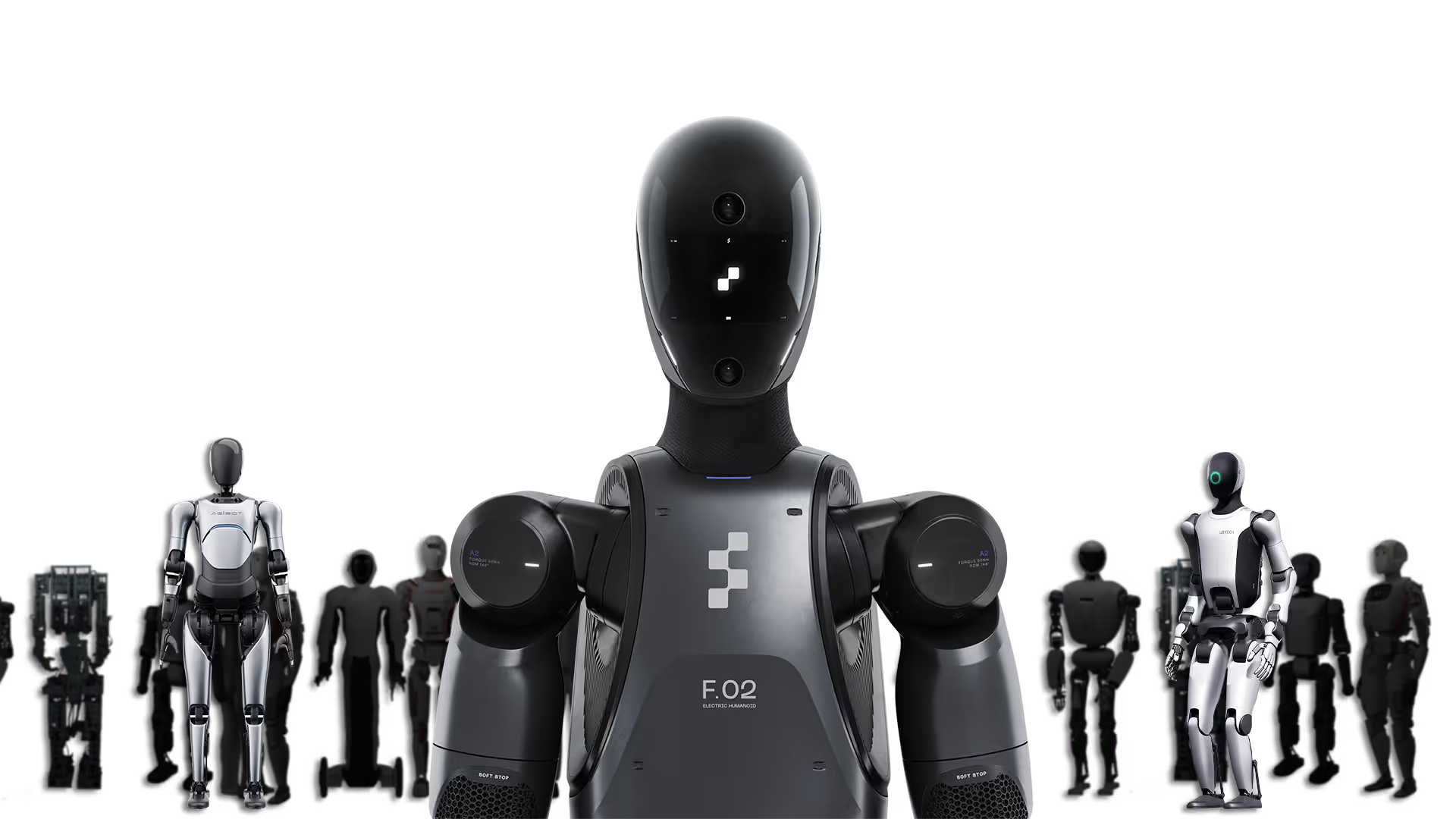
Your gateway to humanoid tech.
Explore detailed specifications and history, from research platforms to commercial systems. Tracking the Future of Robotics, we invite you to discover the machines shaping our world.

A compact, 95cm tall educational humanoid robot with 22 DOF, designed for research and robotics competitions.
Winner of the 2025 KidSize league, proving competition-grade durability and performance.
Up to 200 TOPS with NVIDIA Jetson AGX Orin for real-time vision and edge LLM processing.


Image:
Booster Robotics
Lightweight 19.5 kg frame that fits in a suitcase for easy lab-to-classroom transport.
22 DoF with dual-encoder actuators for precise hybrid torque and position control.


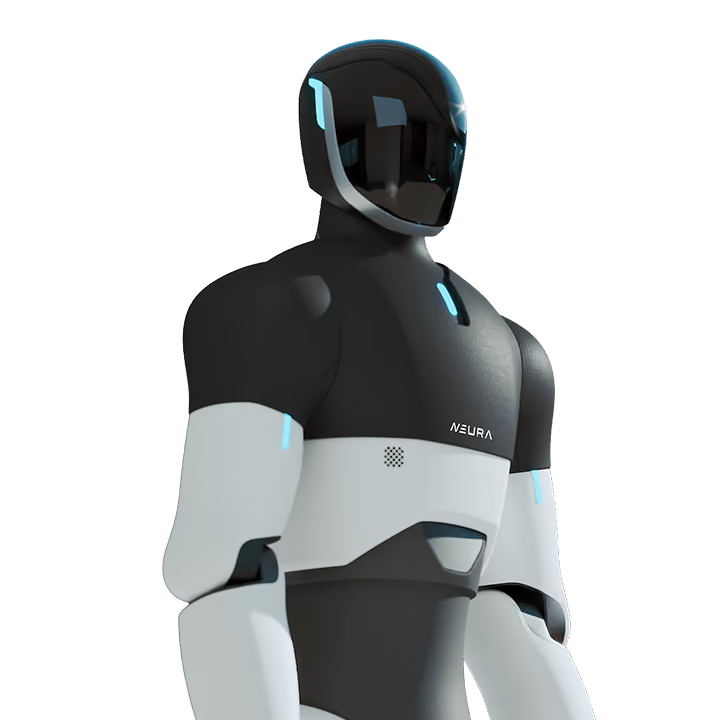
Image:
NEURA Robotics
by
Neura Robotics

A cognitive humanoid robot with high-torque actuators and advanced sensory intelligence, built for complex tasks in human environments.
Price (est.)
Release Year

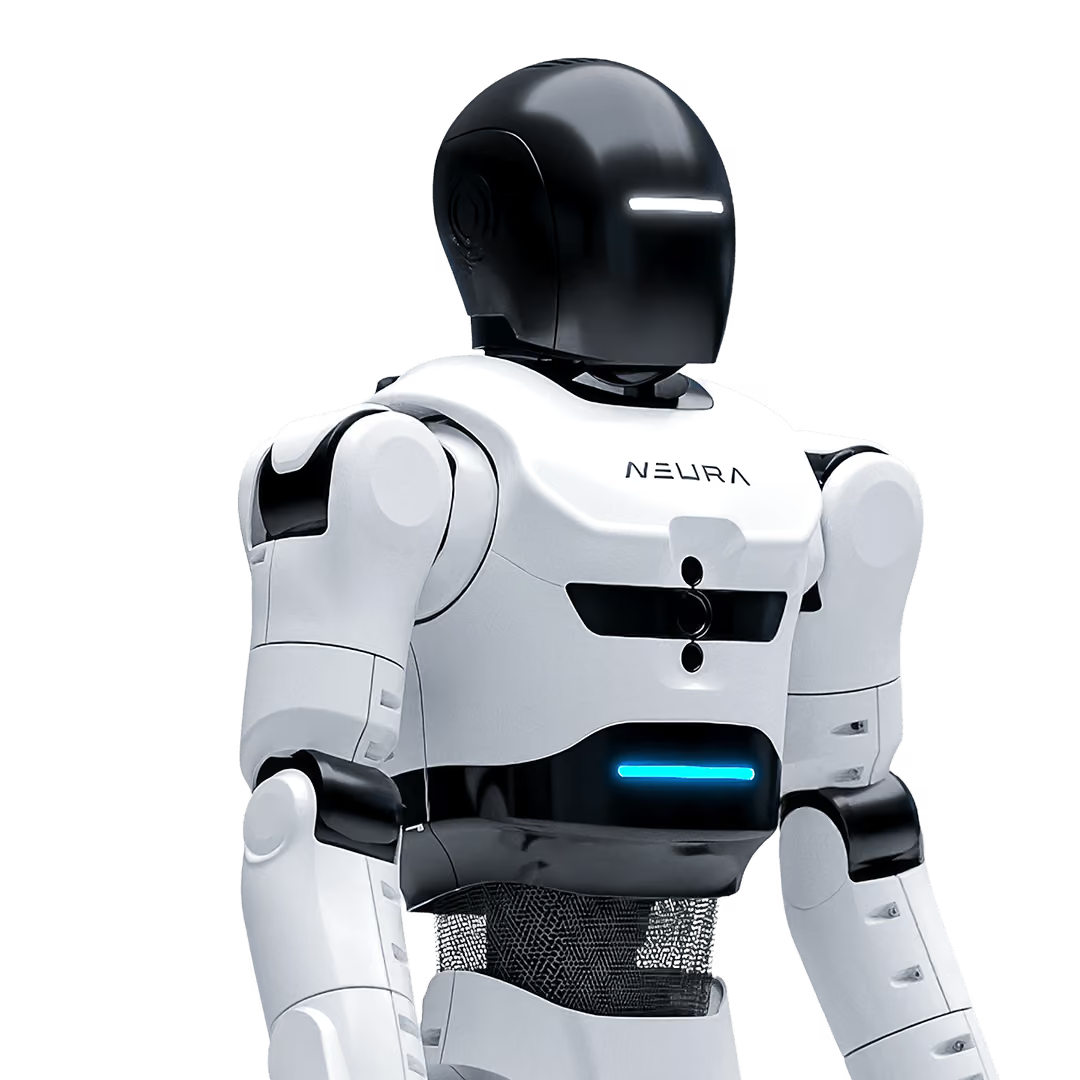
Image:
NEURA Robotics
by
Neura Robotics
A compact version of the 4NE-1 platform, optimized for research, education, and lighter service tasks in indoor settings.
Price (est.)
Release Year
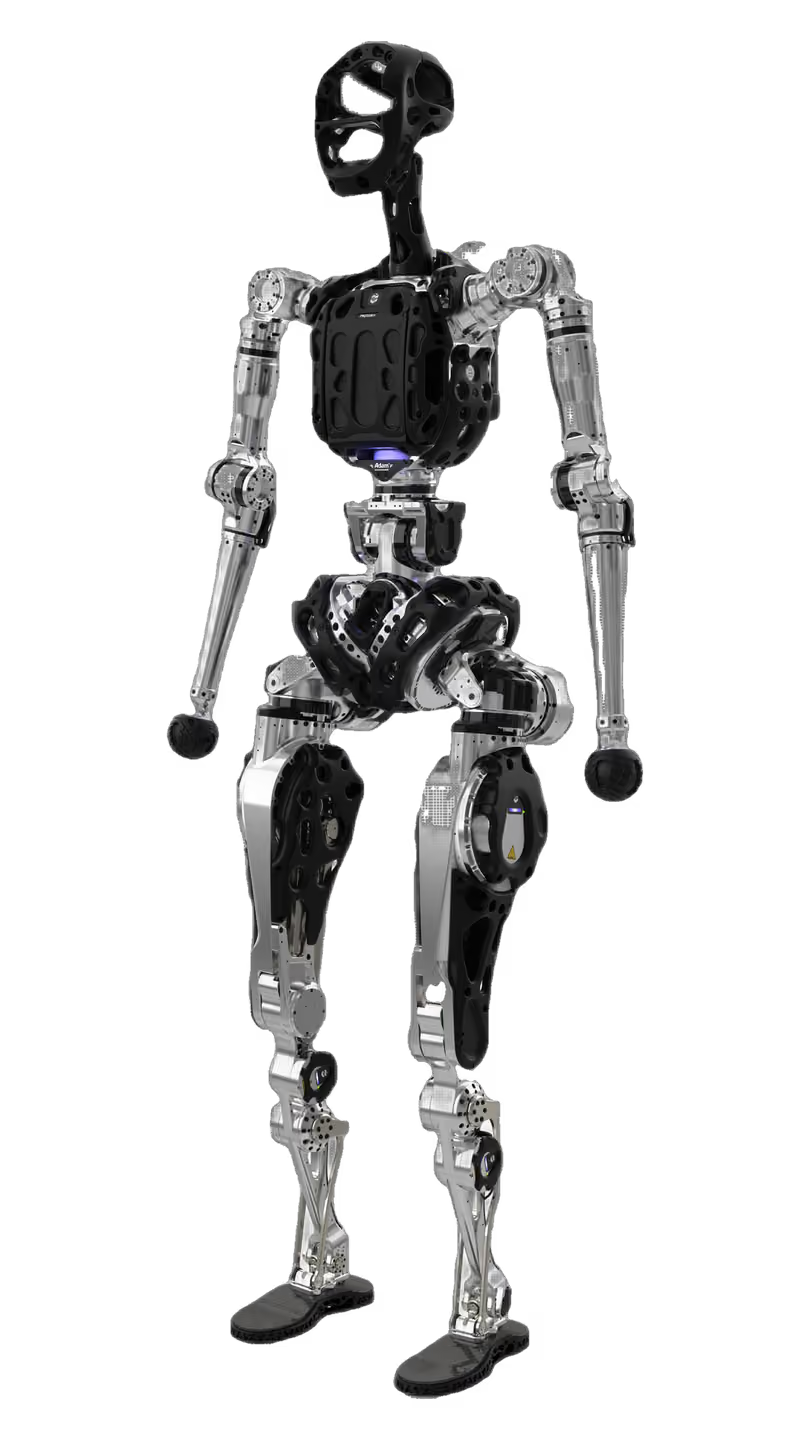
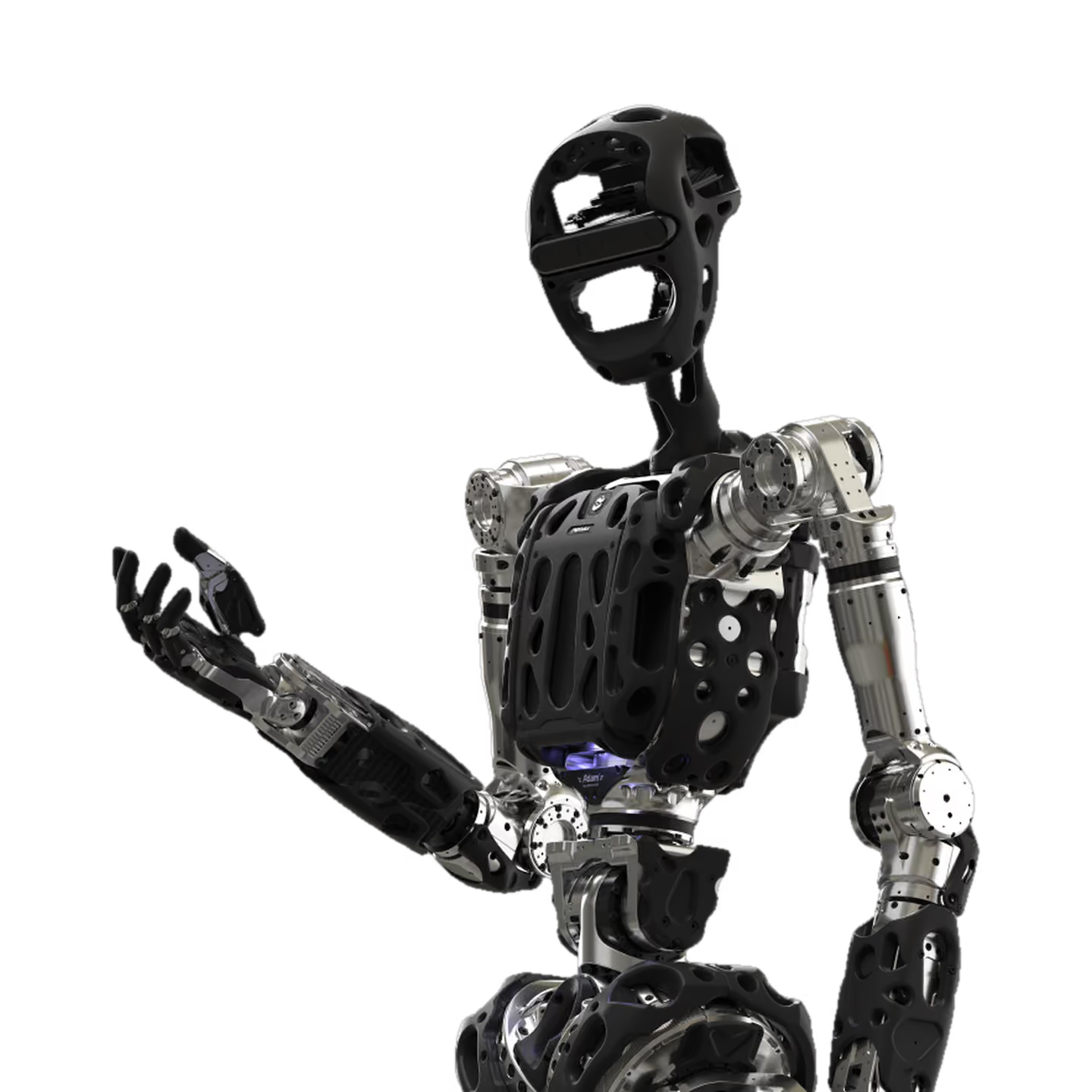
Image:
PNDbotics
by
PNDbotics

A 167cm tall humanoid research platform with 41 DOF, designed for developers to test motion algorithms.
Price (est.)
Release Year
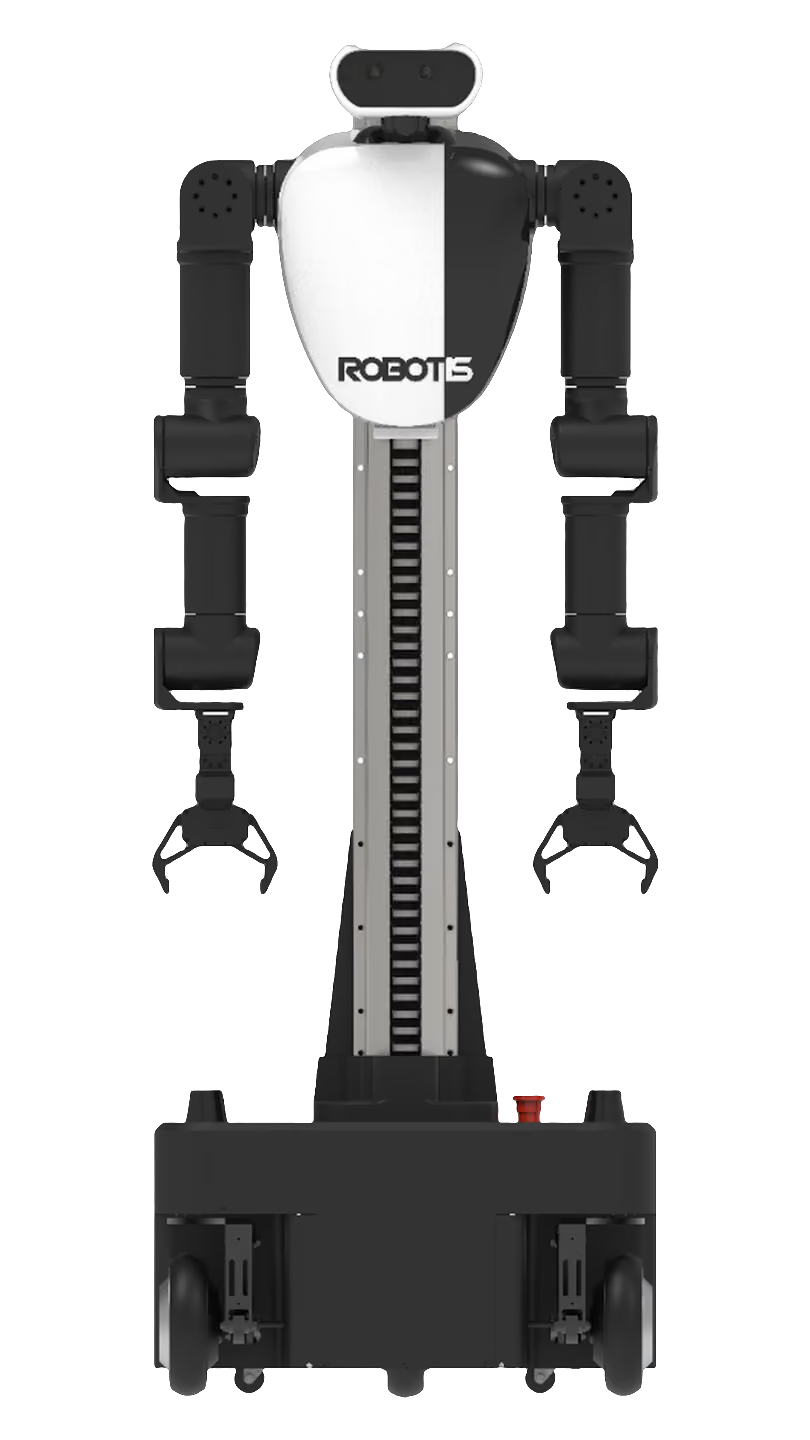
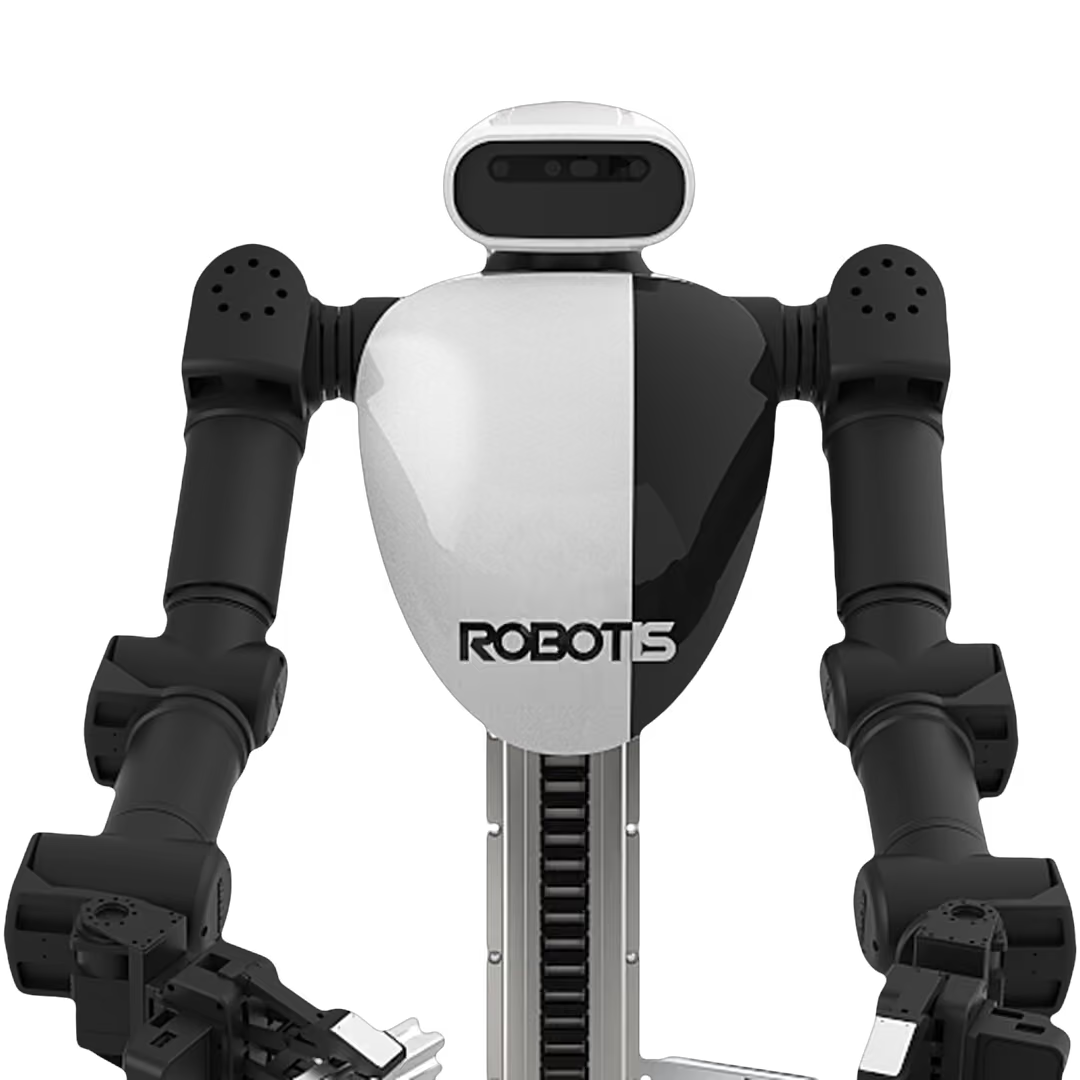
Image:
ROBOTIS
by
ROBOTIS

A semi-humanoid mobile manipulator with a swerve drive and dual arms, optimized for industrial tasks.
Price (est.)
Release Year
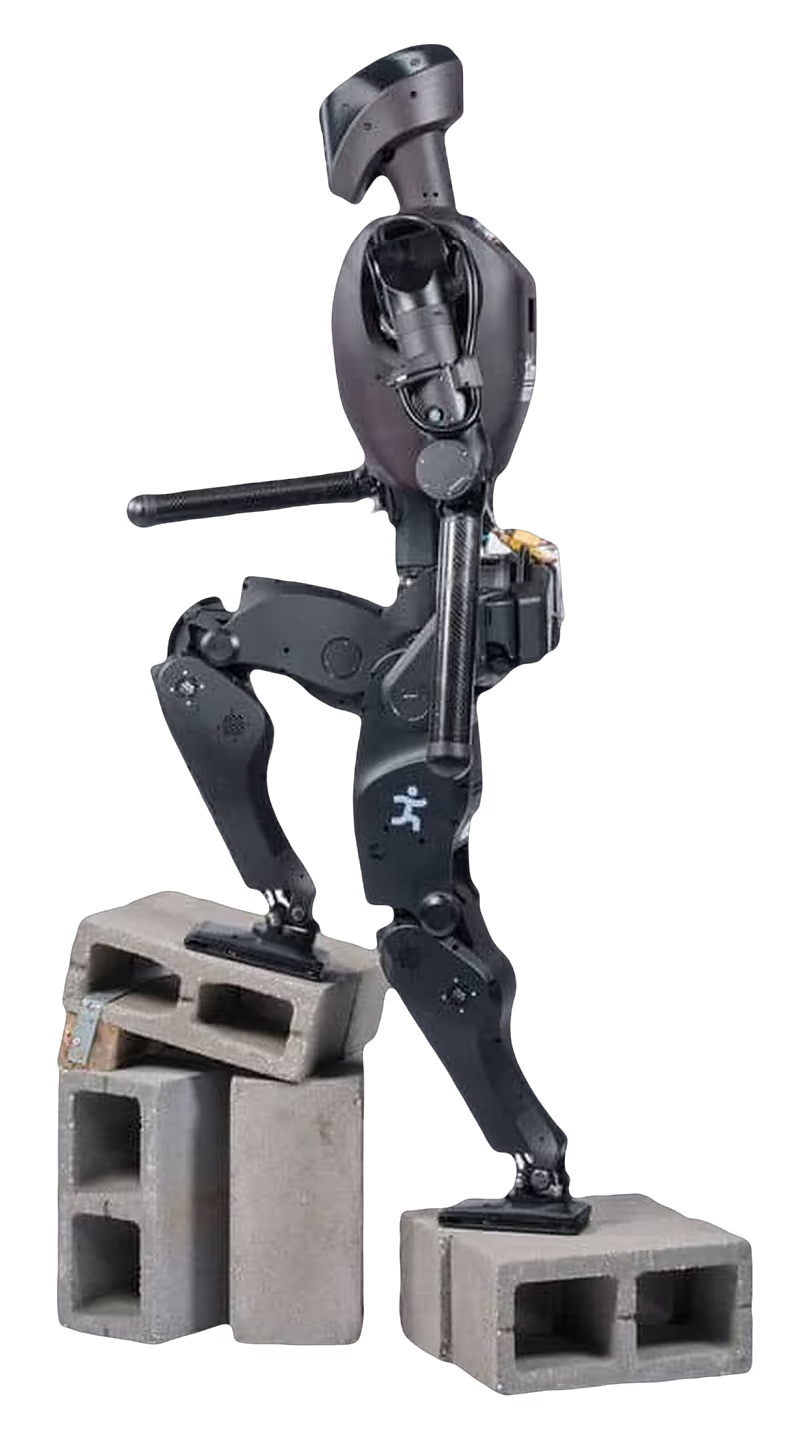
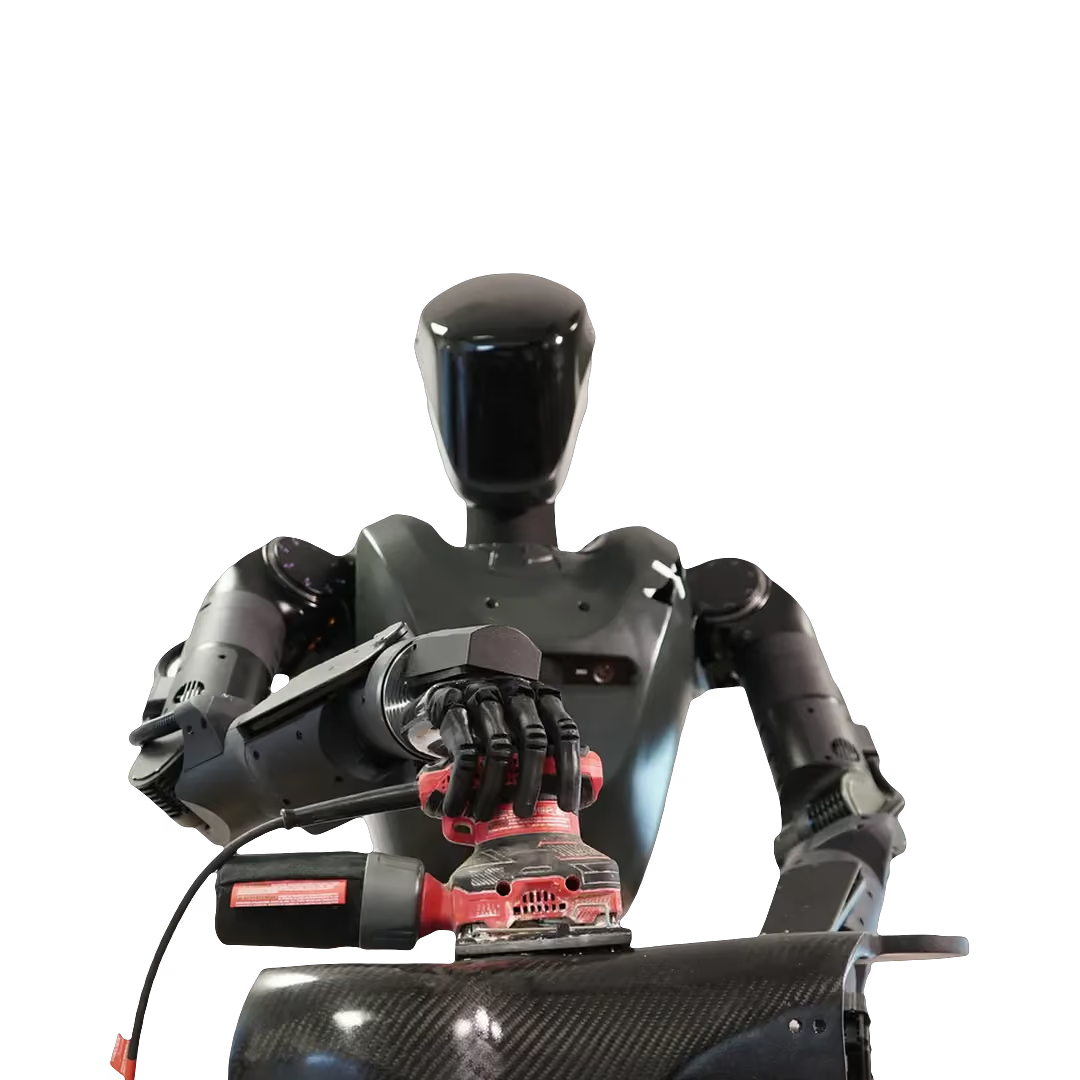
Image:
IHMC Robotics
by
IHMC Robotics

A next-generation bipedal research humanoid for outdoor urban operations and extreme environments, successor to IHMC's Nadia.
Price (est.)
Release Year
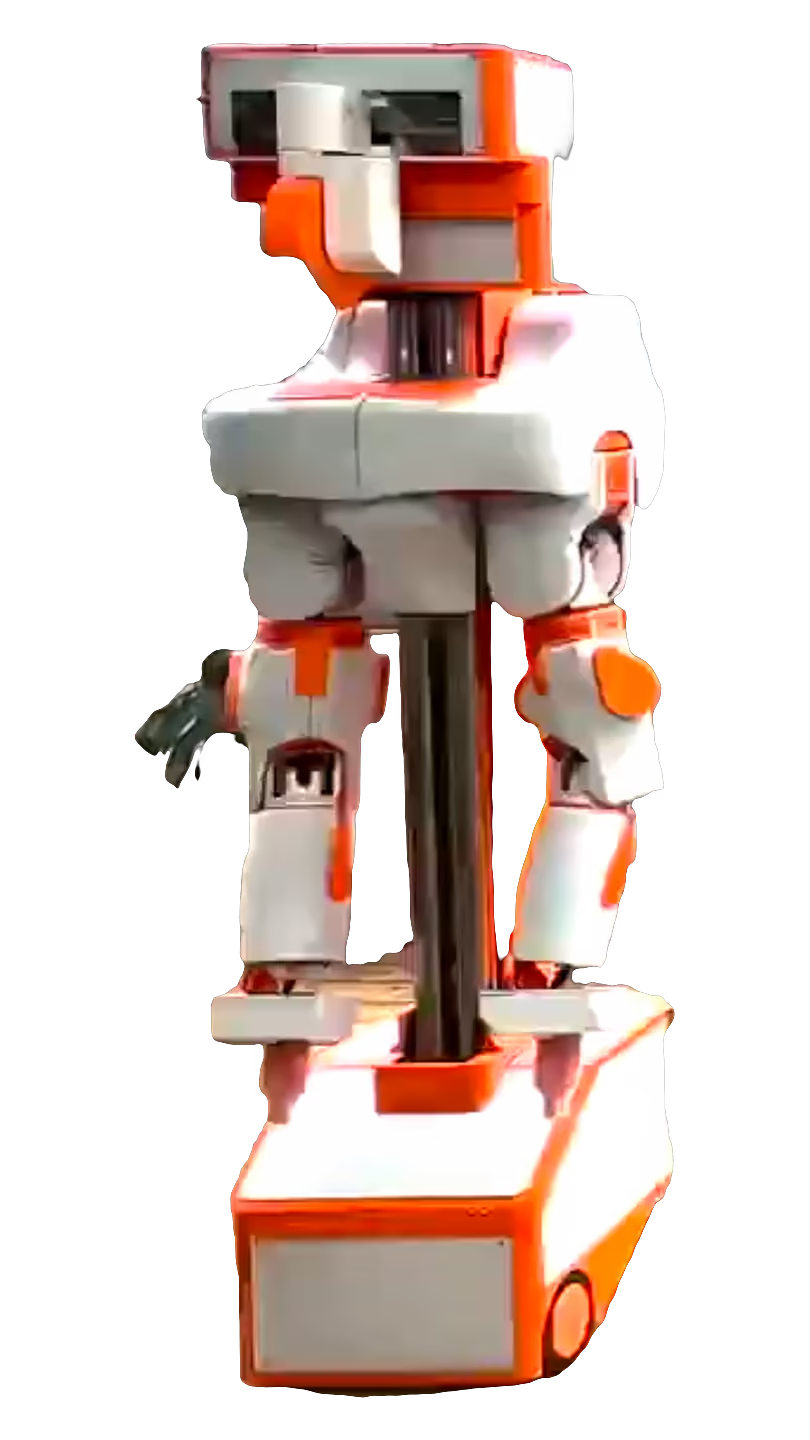
Image:
Prosper Robotics
by
Prosper Robotics

A wheeled, torso-based robot designed to perform domestic chores and household tasks.
Price (est.)
Release Year
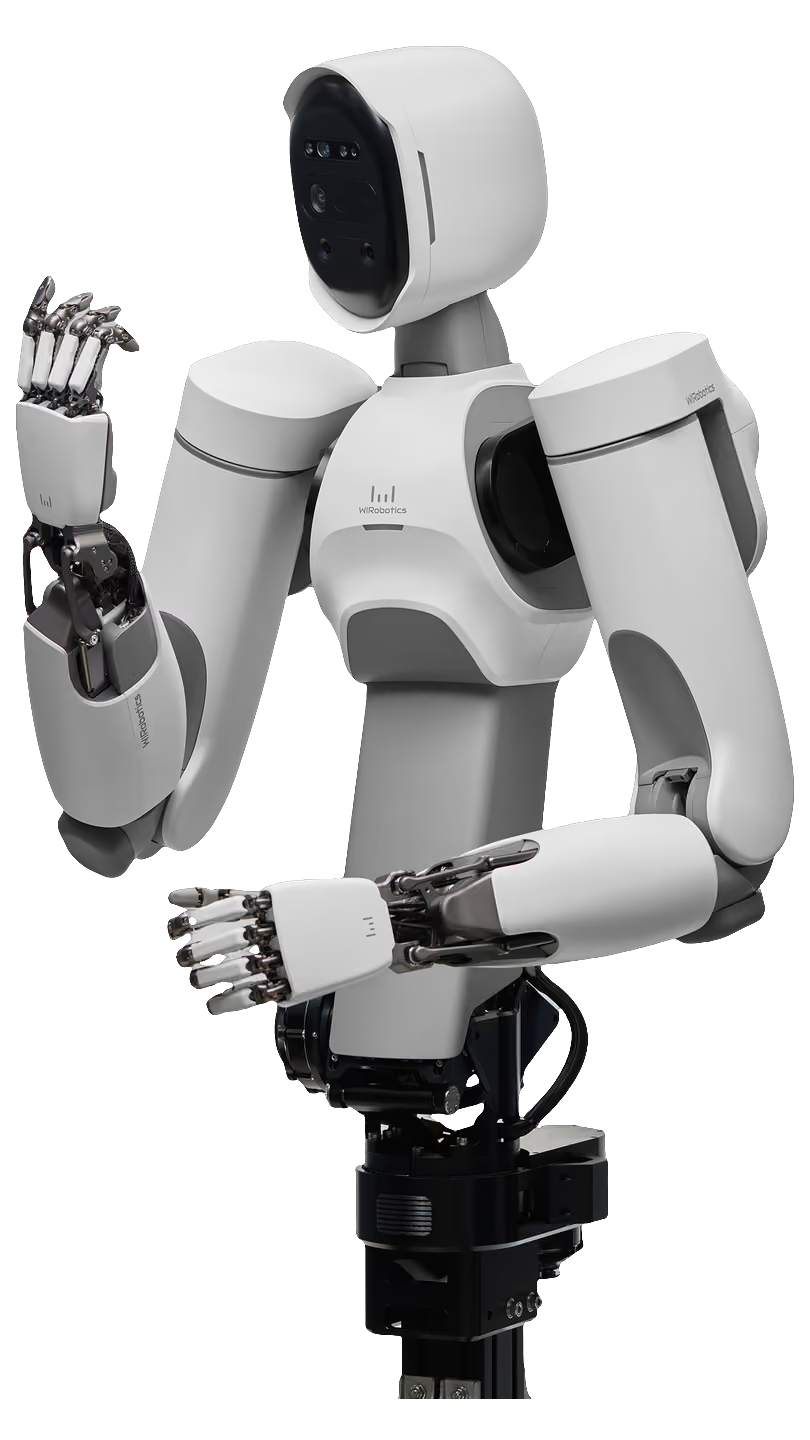
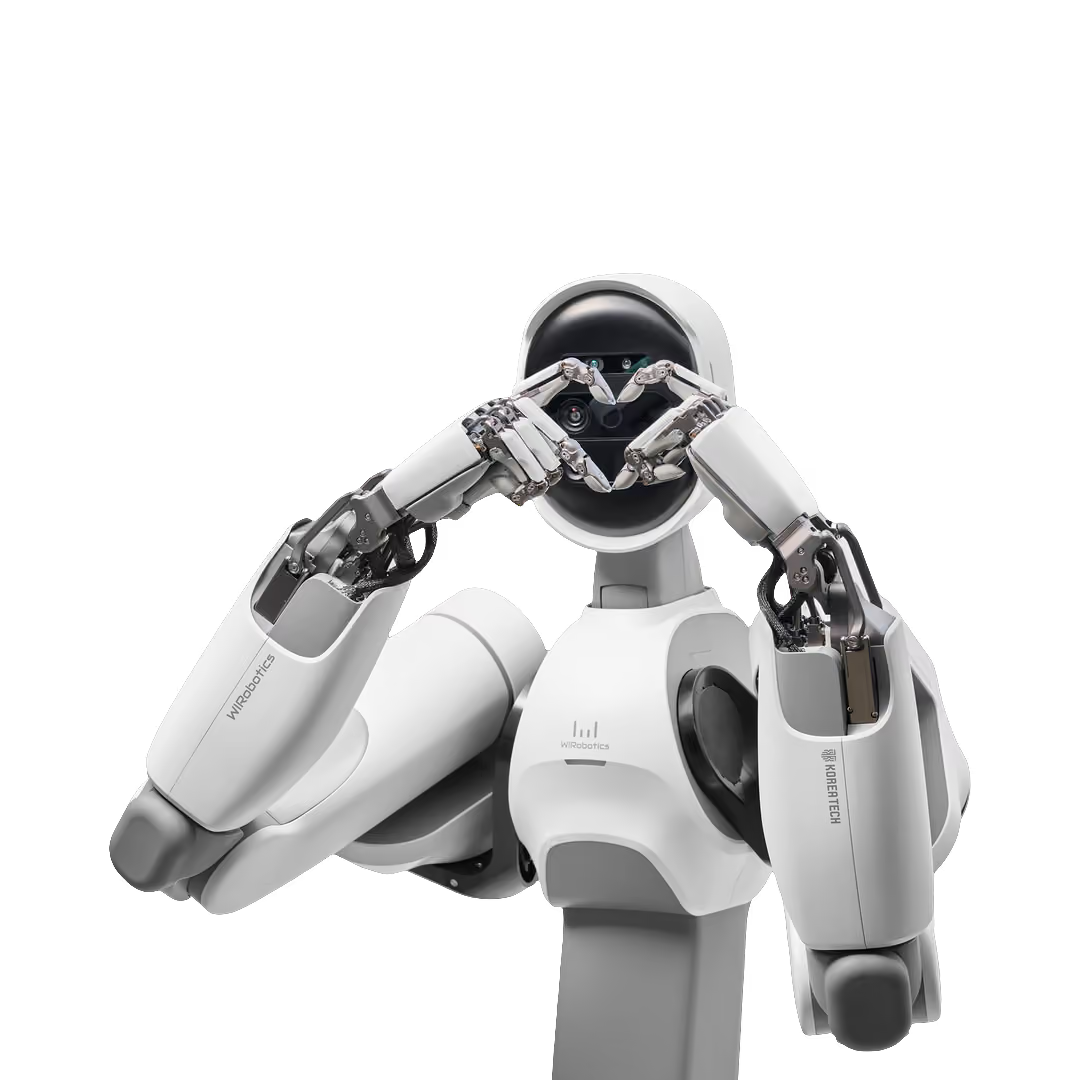
Image:
WIRobotics
by
WIRobotics

A general-purpose humanoid with intrinsic compliance and safe interaction capabilities.
Price (est.)
Release Year
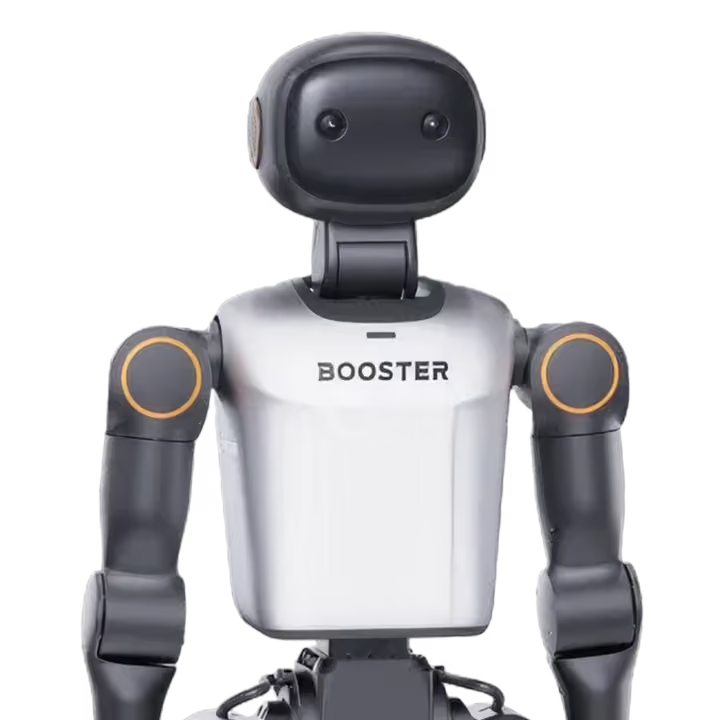
Image:
Booster Robotics
by
Booster Robotics

A compact, 95cm tall educational humanoid robot with 22 DOF, designed for research and robotics competitions.
Price (est.)
Release Year
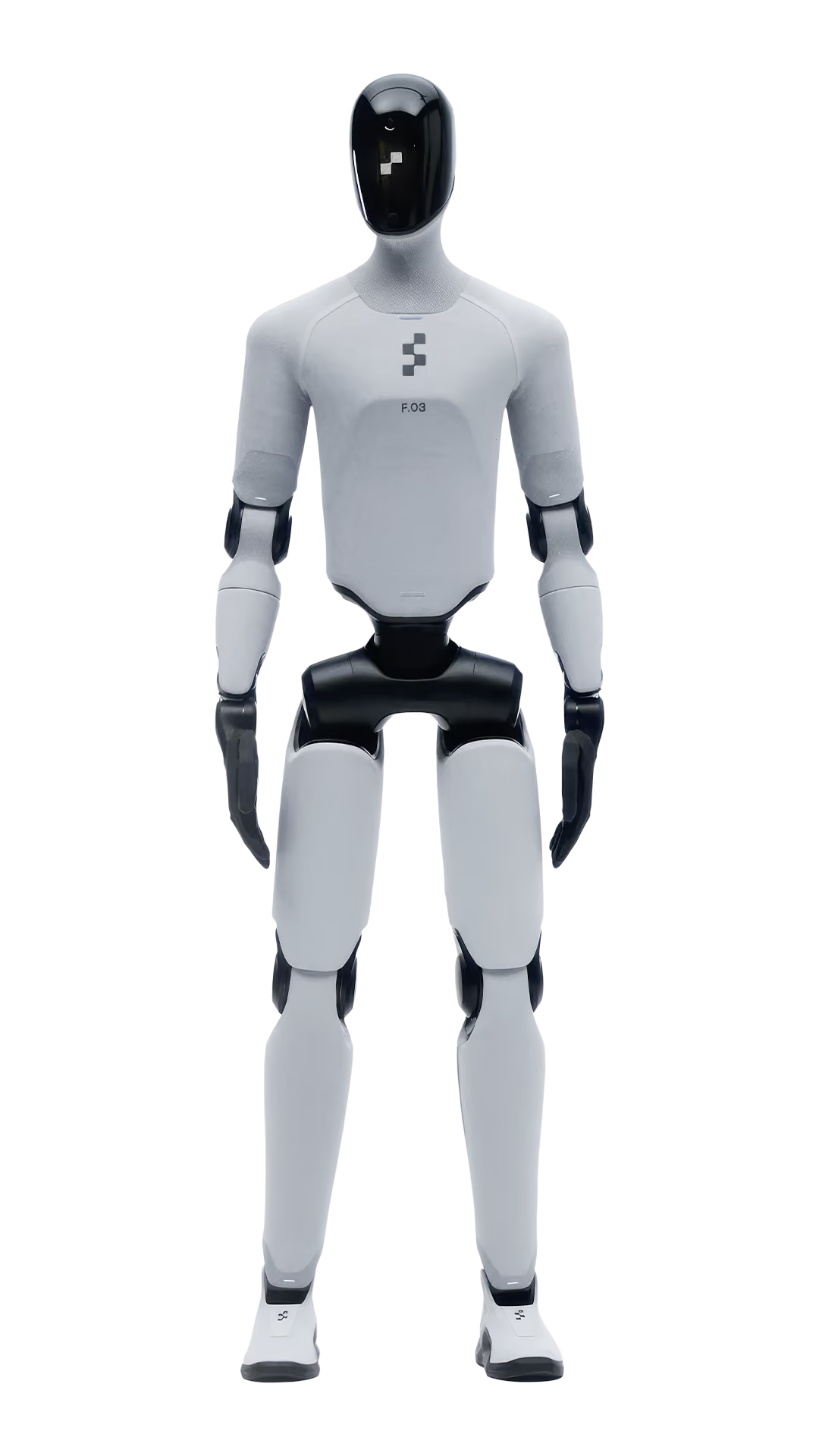

Image:
Figure Robotics
by
Figure Robotics

Figure 03 is a 3rd generation general-purpose humanoid robot designed to work autonomously in home and commercial environments, powered by Figure's 'Helix' vision-language-action AI.
Price (est.)
Release Year


Image:
XPENG
by
XPeng

An in-development bipedal humanoid robot designed for autonomous tasks within XPeng's manufacturing facilities.
Price (est.)
Release Year
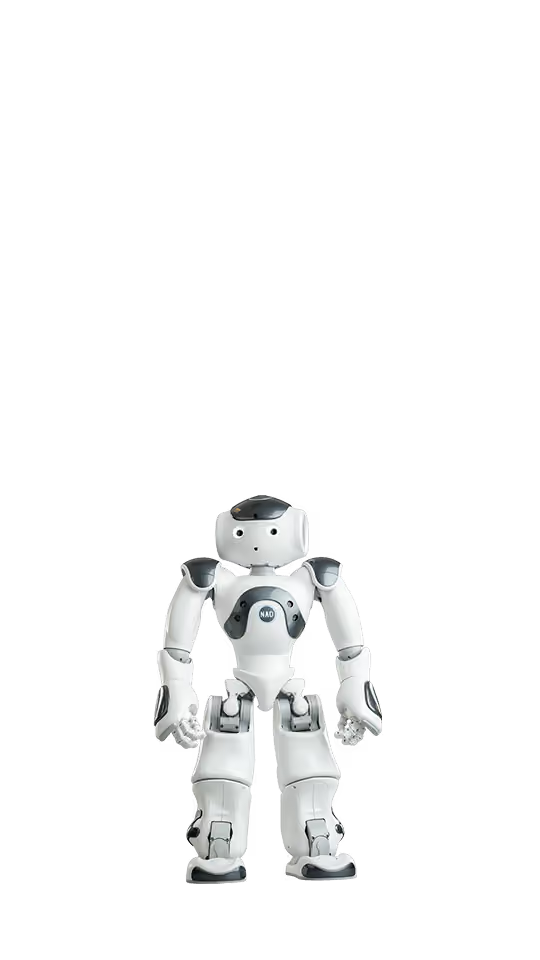
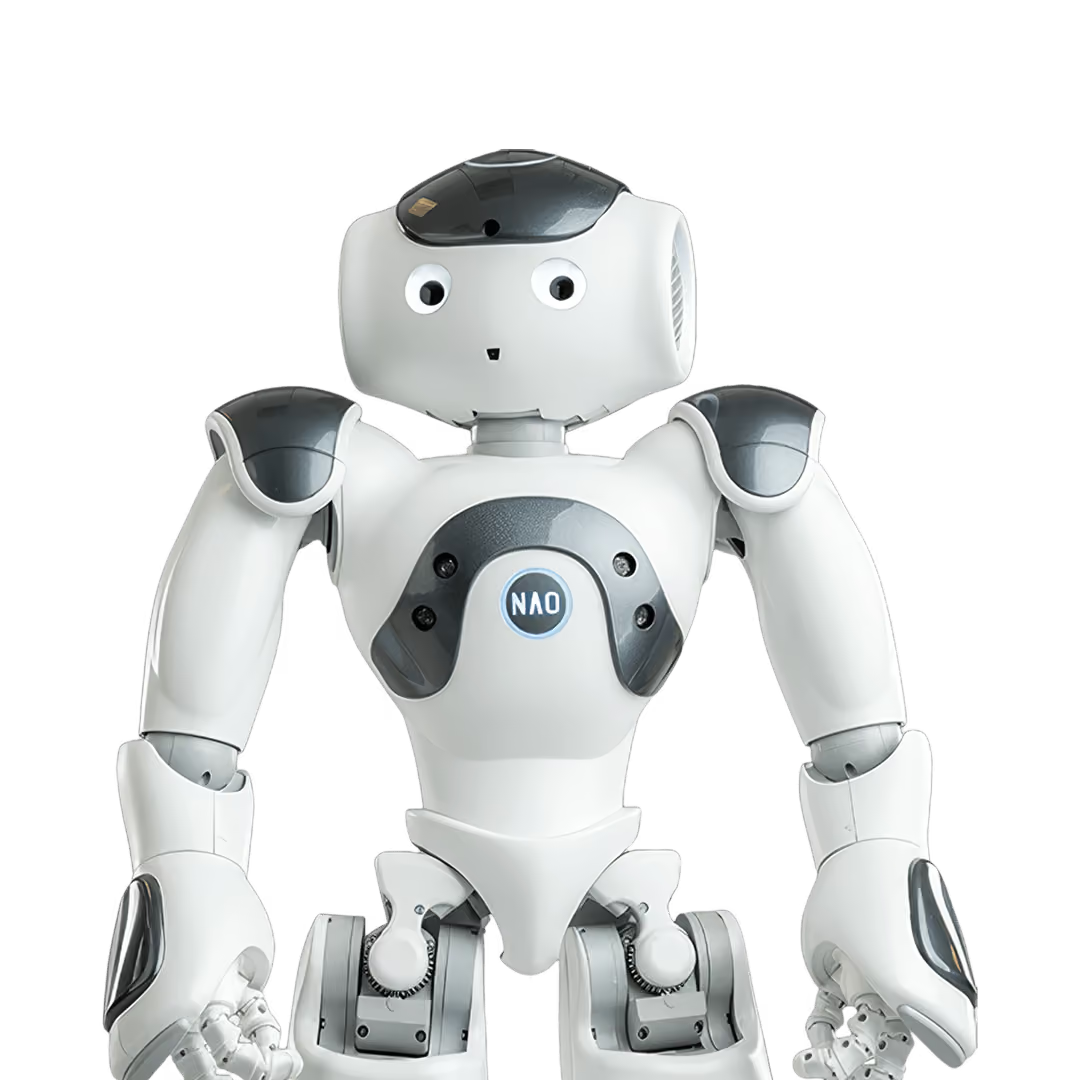
Image:
Maxtronics
by
Maxtronics

A small, interactive, and programmable humanoid robot widely used in education, research, and healthcare.
Price (est.)
Release Year
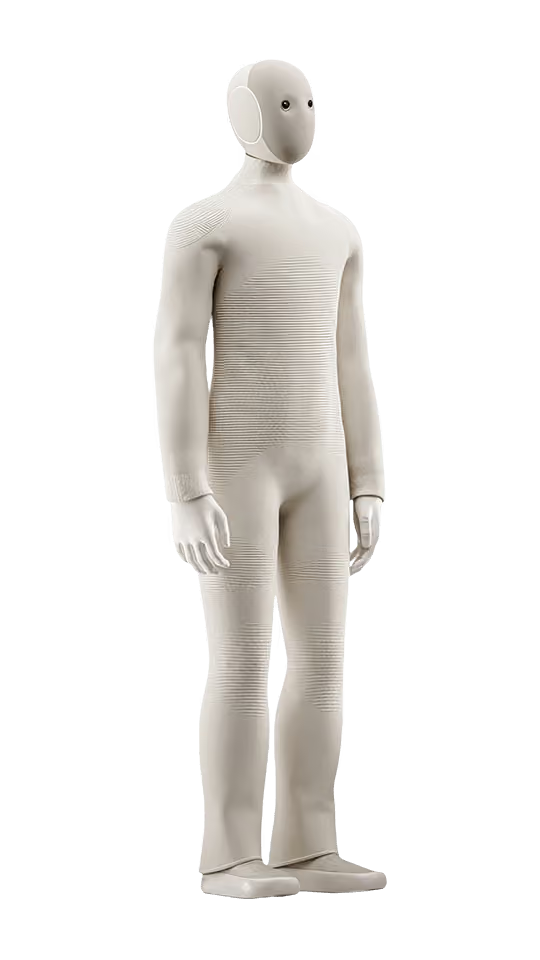

Image:
X1
by
1X Technologies

Neo combines human dexterity with advanced AI to support manufacturing, logistics, warehousing, and retail.
Price (est.)
Release Year

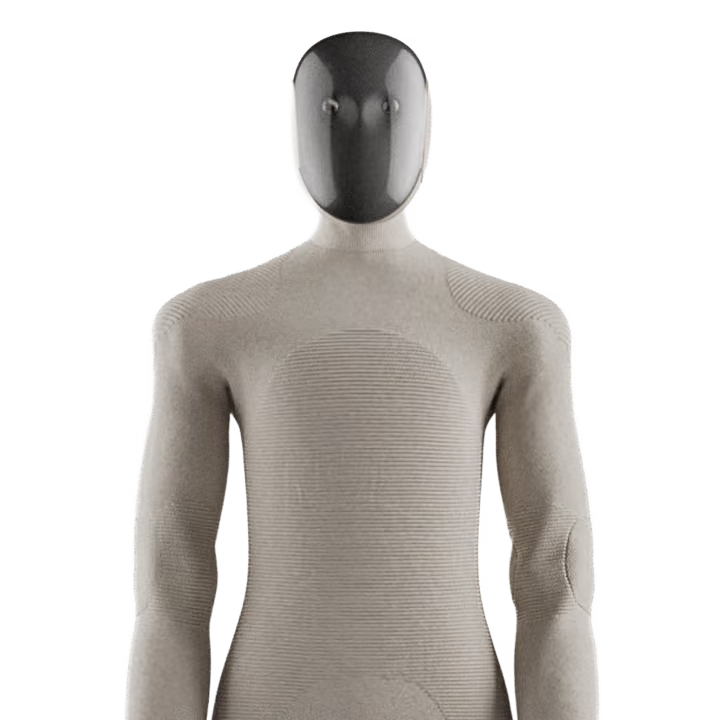
Image:
X1
by
1X Technologies
The next-generation domestic humanoid featuring a muscle-like soft body design and advanced visual manipulation for household tasks.
Price (est.)
Release Year

Humanoid robots exist for a simple reason:
The world is built for humans. From tools and workspaces to homes, hospitals, and public infrastructure, most environments are designed around the human body, human movement, and human perception.
Humanoid robots can operate within human environments by adopting a human-like form, without requiring costly redesigns.
Image:
Fourier
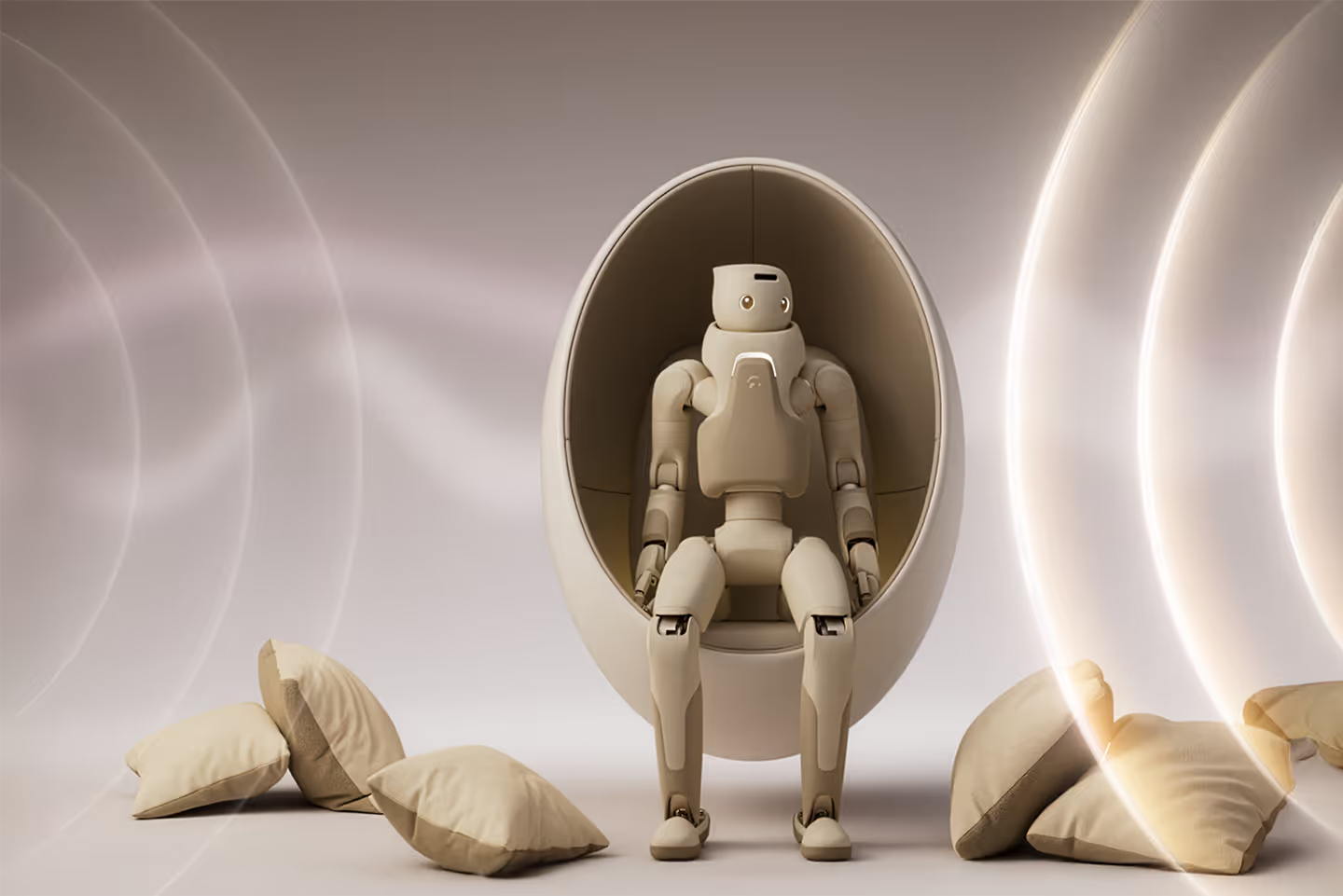
Image:
EngineAI
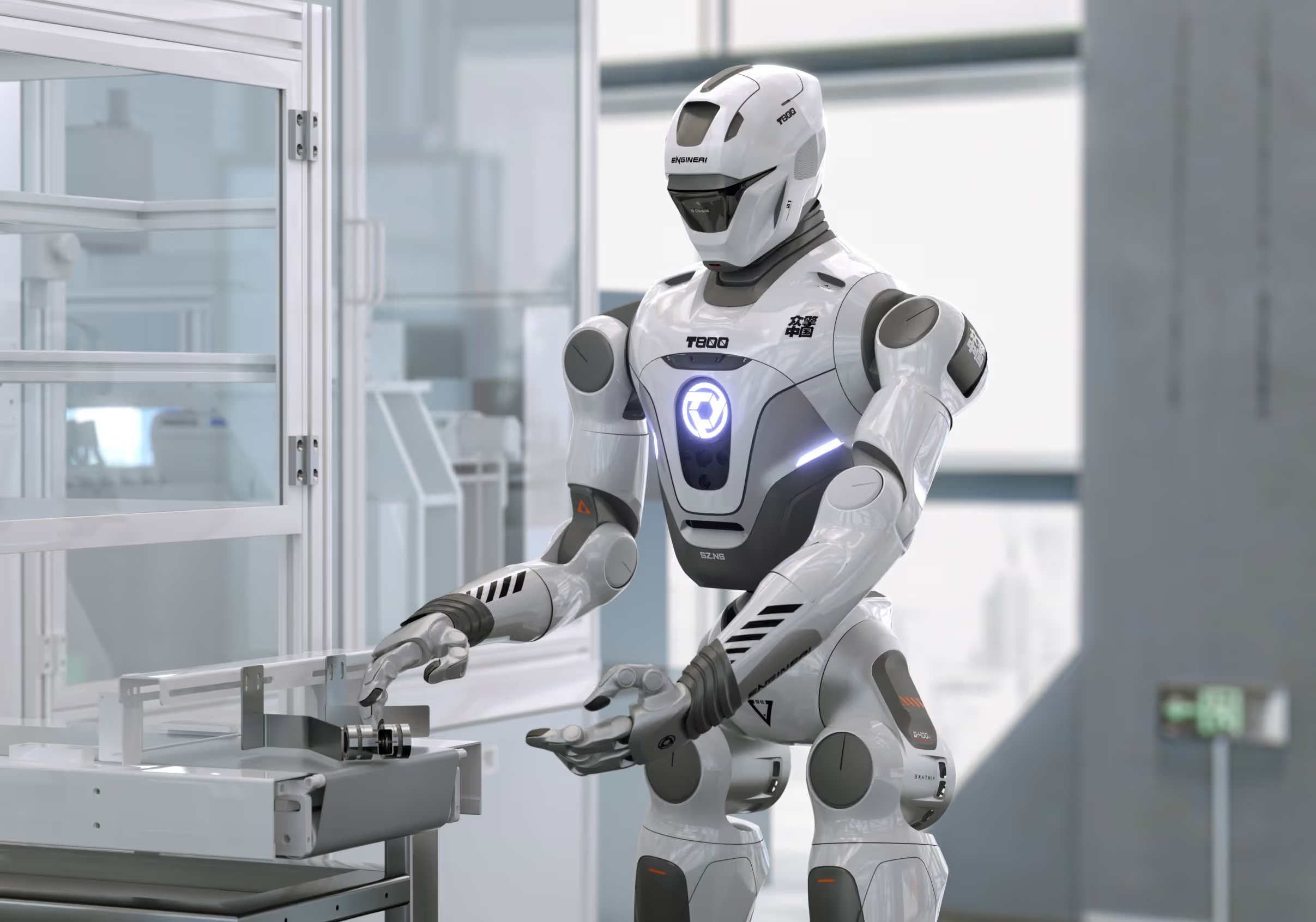
Their familiar shape supports intuitive interaction and makes it easier for people to understand, guide, and work alongside robotic systems.
Humanoid robots bridge the gap between human needs and robotic capabilities.
They are not just machines that execute tasks. They are systems designed to integrate into human workflows, support physically demanding activities, and extend human presence where strength, endurance, or availability are limited.


Humanoid robots perform physical tasks in environments designed for humans. They operate within existing workflows and use familiar tools, reducing the need for infrastructure changes.

Humanoid robots extend automation beyond single-purpose machines. By combining advanced AI with human-like form, they are developed to support labor-intensive work and operate safely alongside human teams.

From logistics and manufacturing to healthcare and service environments, humanoid robots adapt to human-centered spaces and a wide range of industry needs.
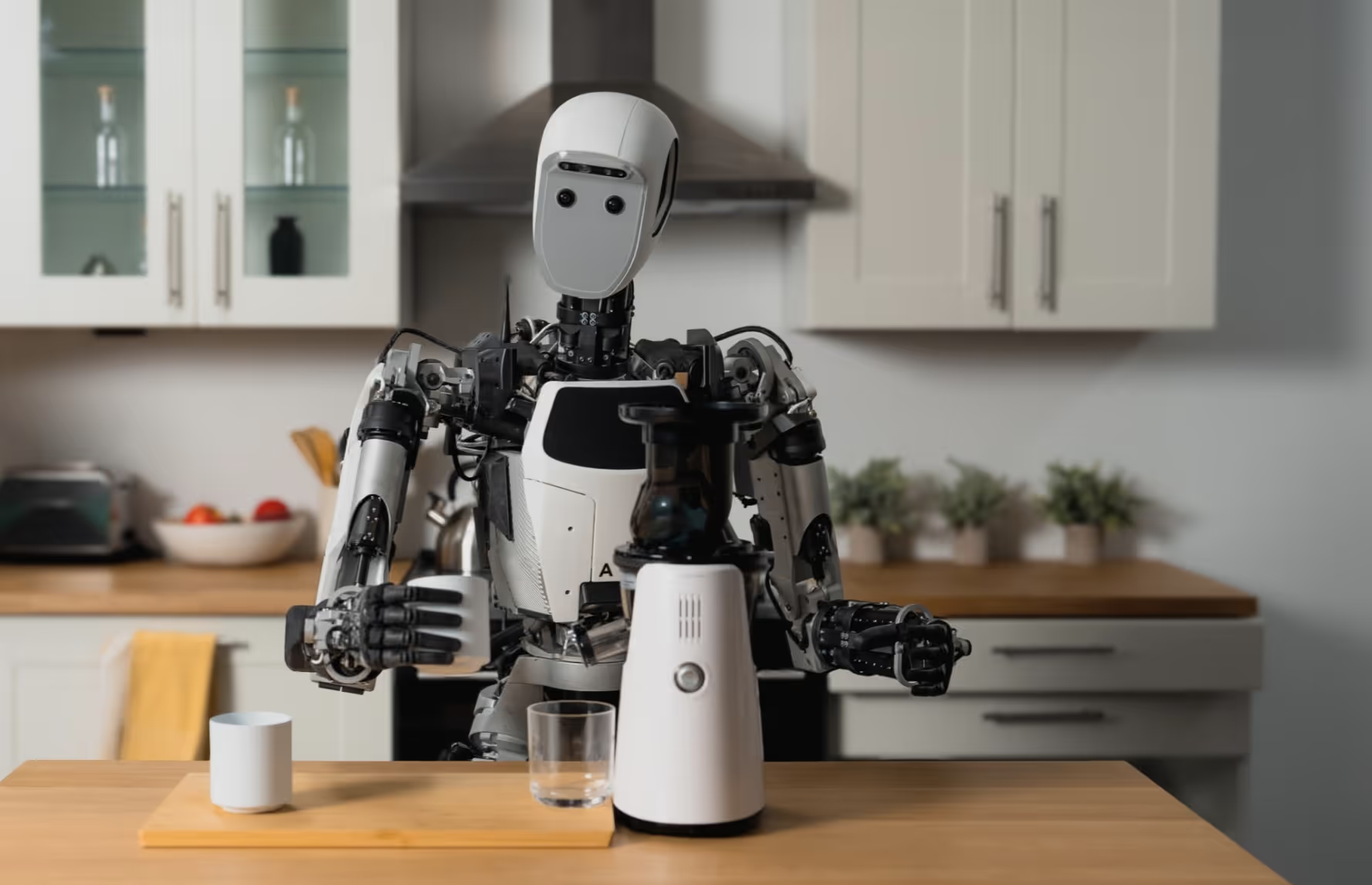
Image:
Figure Robotics
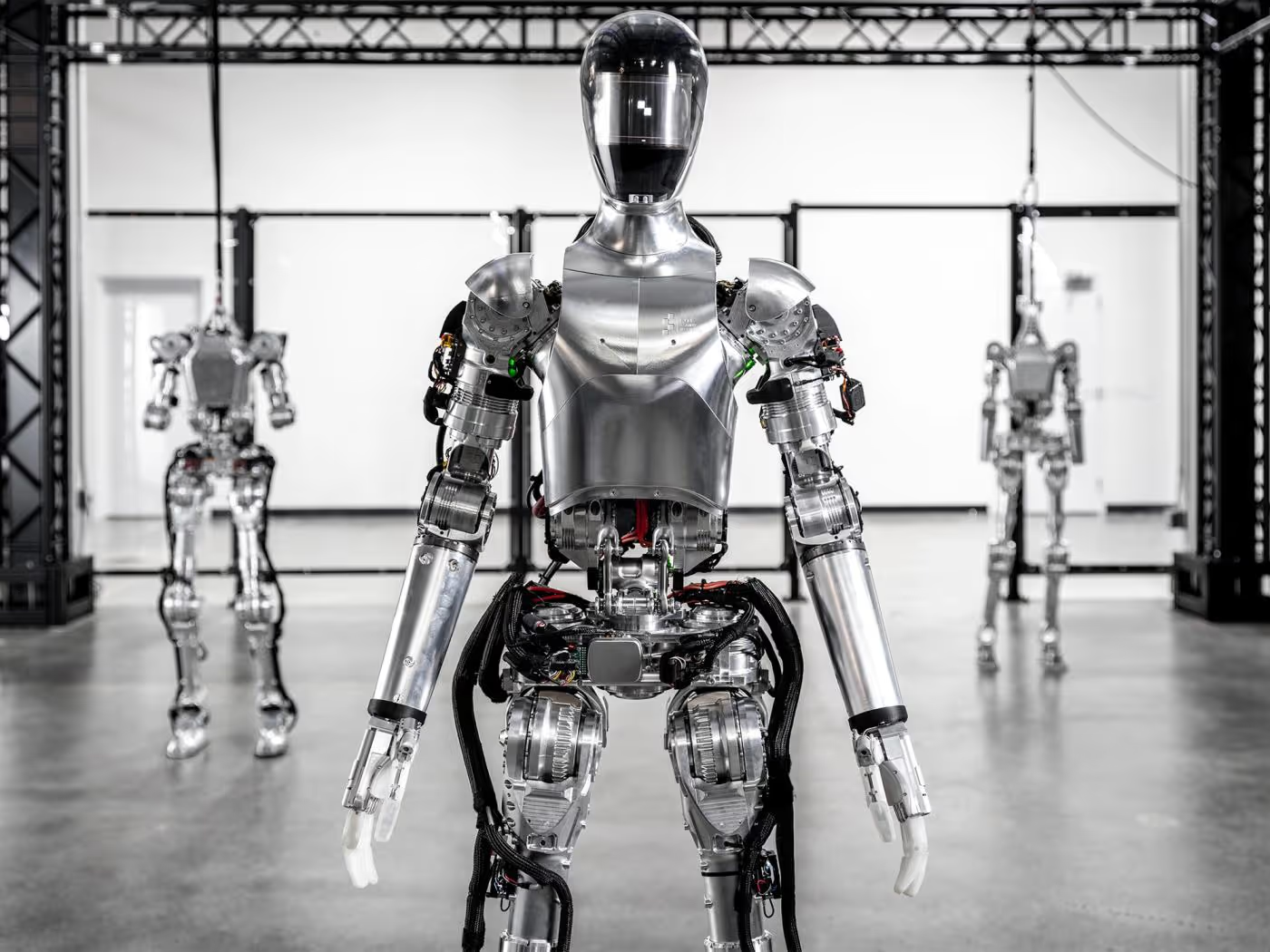
Image:
Figure Robotics
Image:
EngineAI

Read what people from industry and research have to say.