Image:
Aei Robot
A 41-DoF bipedal humanoid built on proprietary gearless linear actuators for precise force control in research and manufacturing.


Intel i7-1370PE + NVIDIA Jetson Orin NX

Height
160
cm

Weight
45
kg

Speed
N/A
m/s

Payload
N/A

Actuators
Proprietary gearless linear actuators, multi-link parallel structure

DoF (Domains of freedom)
41
°

Proprietary parallel structure for extreme force sensitivity.
Intel i7 and NVIDIA Orin for separate control and vision.
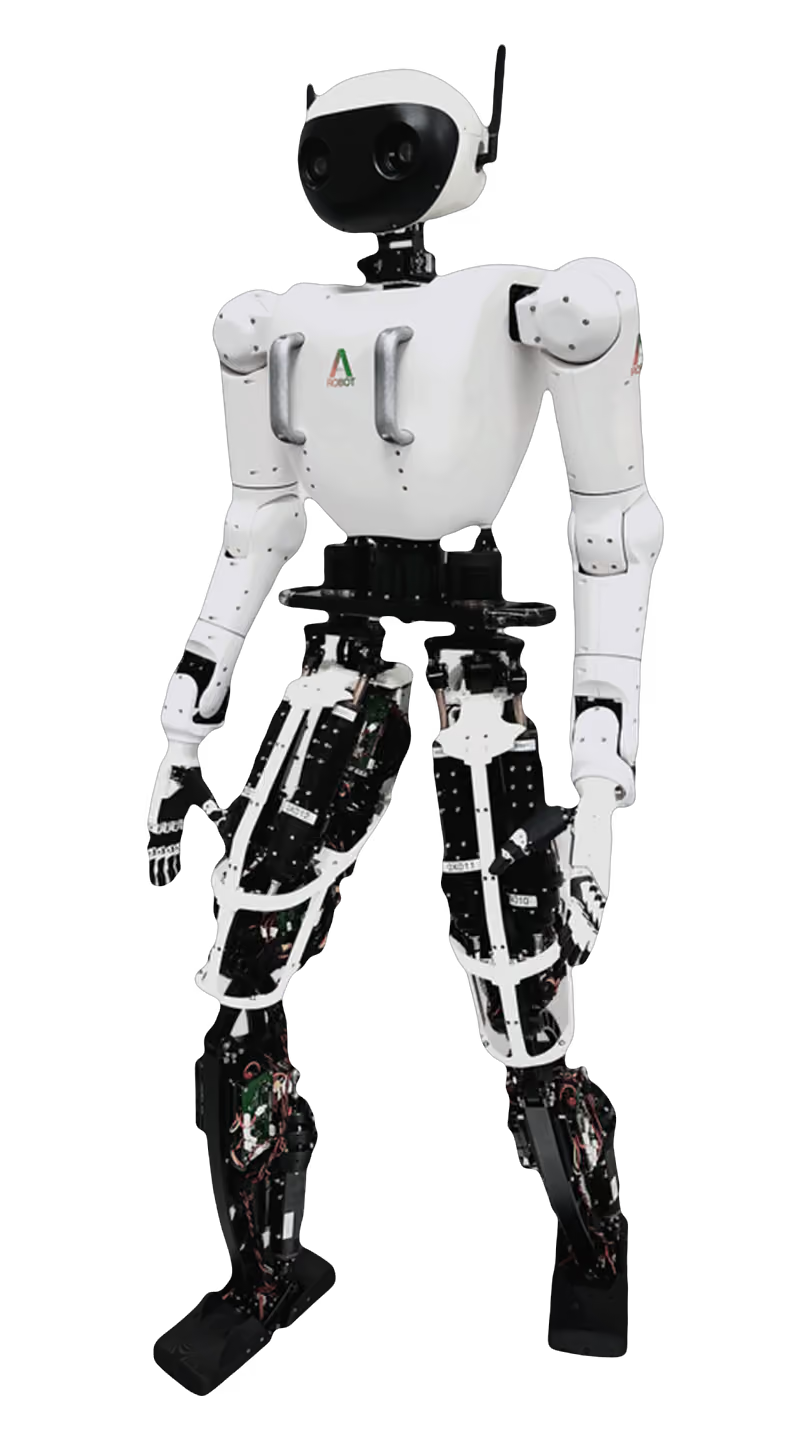
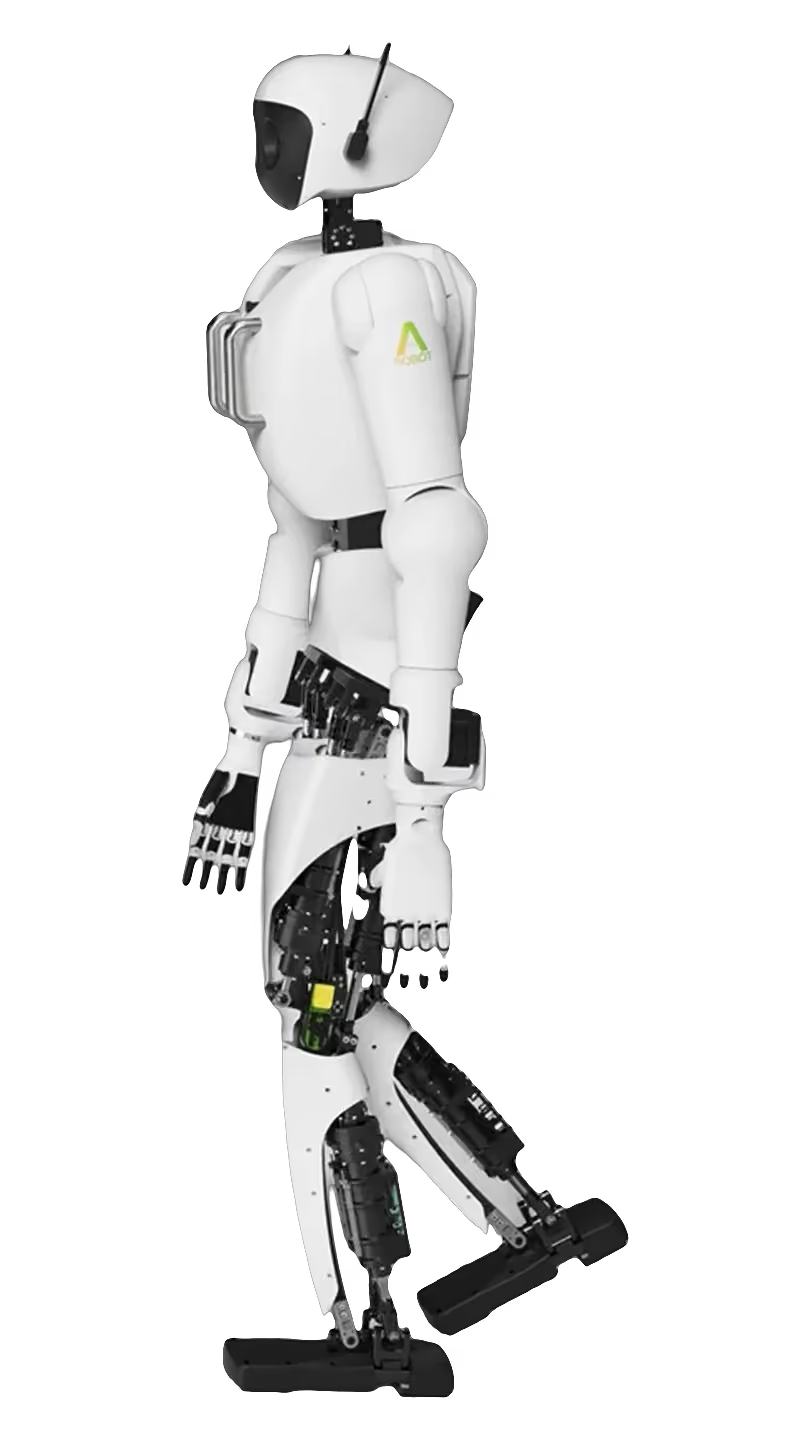
High transparency allowing for safe human-robot contact.
Biomimetic design inspired by human musculoskeletal layouts.

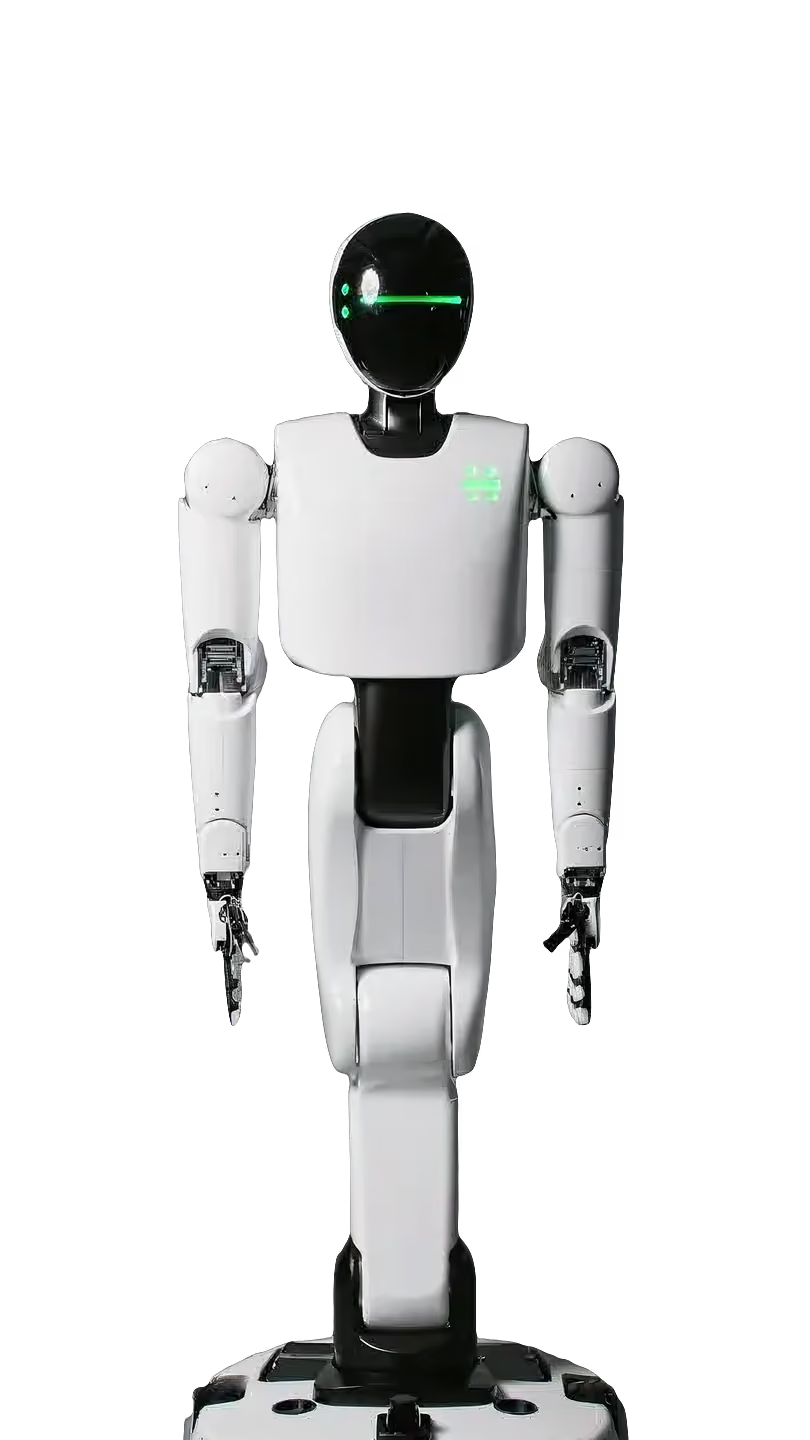
A 41-DoF bipedal humanoid built on proprietary gearless linear actuators for precise force control in research and manufacturing.
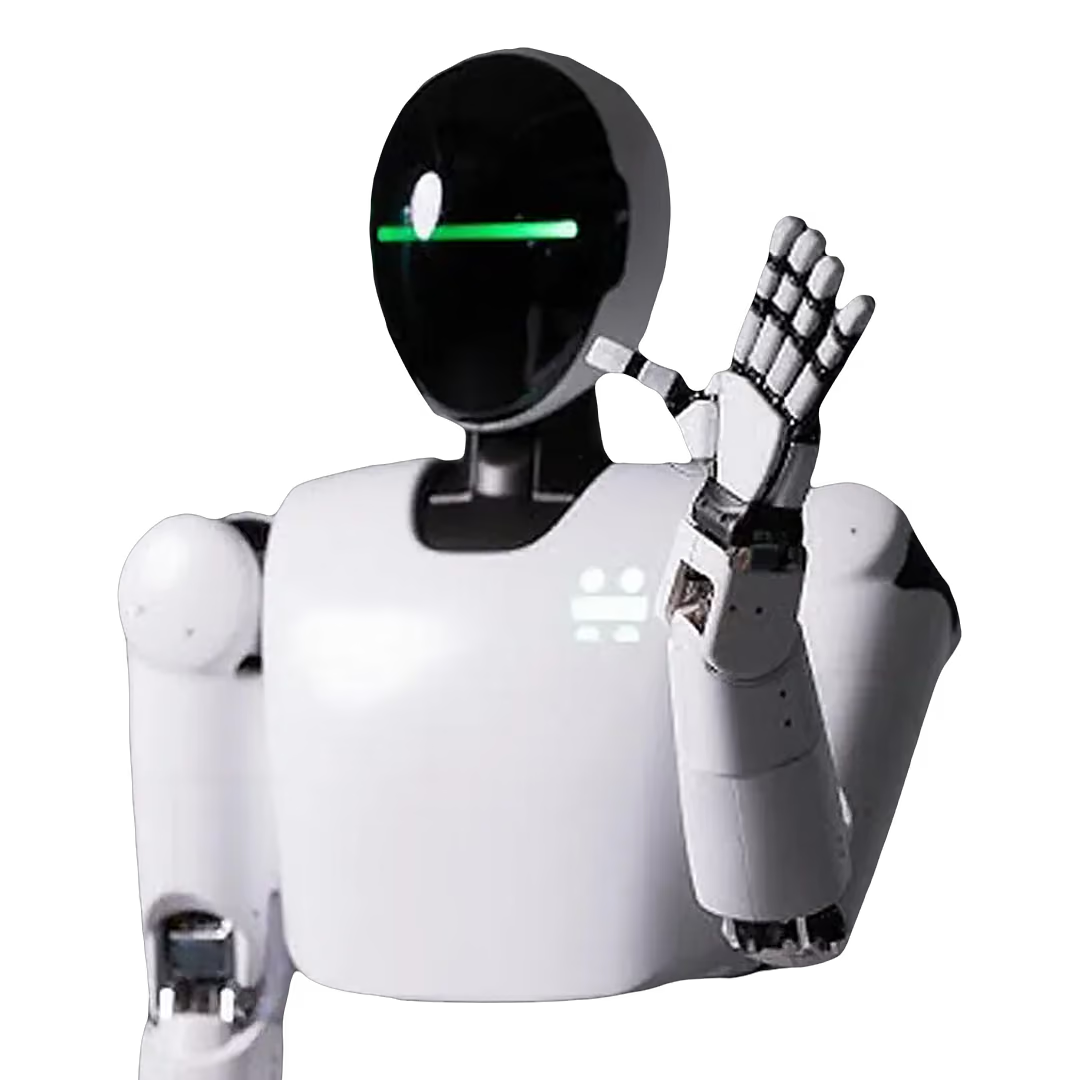
Alice 4 stands 160 cm tall and weighs 45 kg. It features 41 degrees of freedom and uses a dual-computing architecture with an Intel Core i7-1370PE for control and an NVIDIA Jetson Orin NX for high-level perception.
Image:
Aei Robot
Notable for its high current sensitivity and back-driveability, the robot is ideal for delicate assembly and human-interaction research. Features include 3D depth vision, high-speed joint communication, and a human-like parallel actuator layout.
ALICE 4 by AeiROBOT
Actuators
Proprietary gearless linear actuators, multi-link parallel structure
DoF (Domains of freedom)
41
°
Height
160
cm
Speed
N/A
m/s
Weight
45
kg
Payload
N/A
kg

Runtime
N/A
h

OS / AI System
Intel i7-1370PE + NVIDIA Jetson Orin NX
Employs proprietary self-developed linear actuators in a parallel link configuration. This technology allows for extreme transparency in force-feedback, similar to advanced aerospace systems, enabling safer and more precise physical interactions.
Image:
Aei Robot
Customers include advanced manufacturing labs and technical universities. It is favored by researchers studying force-sensitive human-robot collaboration and delicate assembly processes.
Alice 4 introduces the proprietary multi-link parallel structure, which provides a dramatic increase in current sensitivity over Alice 3. This allows for superior "back-driveability" and safer physical interaction with humans.
The specialized linear actuators allow for "back-driveability," meaning the robot can feel external forces and respond with a human-touch sensitivity during tasks.
Incorporates perception systems that allow the robot to "track" and look at people or objects it is interacting with, a key signal in human social interaction.
Its multi-link parallel structure is inspired by human muscle and bone layouts, providing a range of motion and force profile that feels familiar to observers.


by
1X Technologies
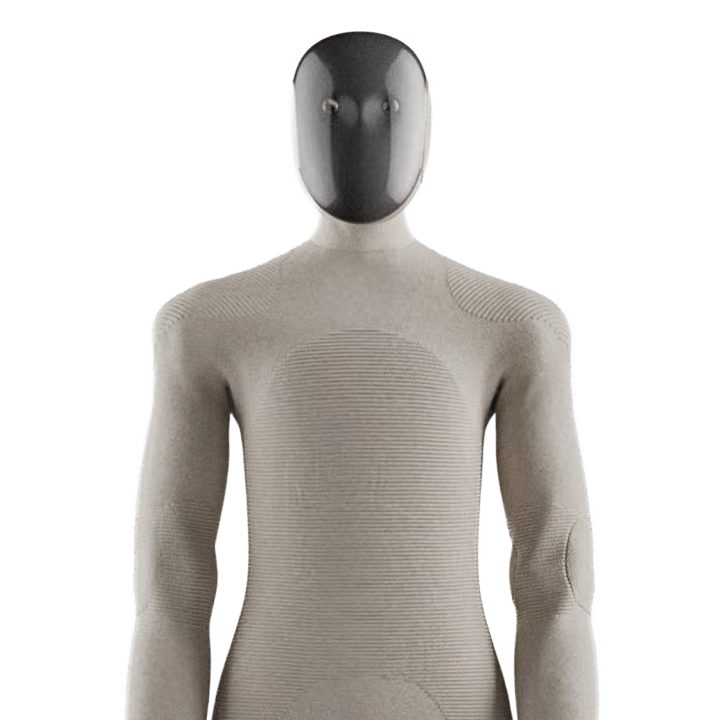
The next-generation domestic humanoid featuring a muscle-like soft body design and advanced visual manipulation for household tasks.

by
Tesla
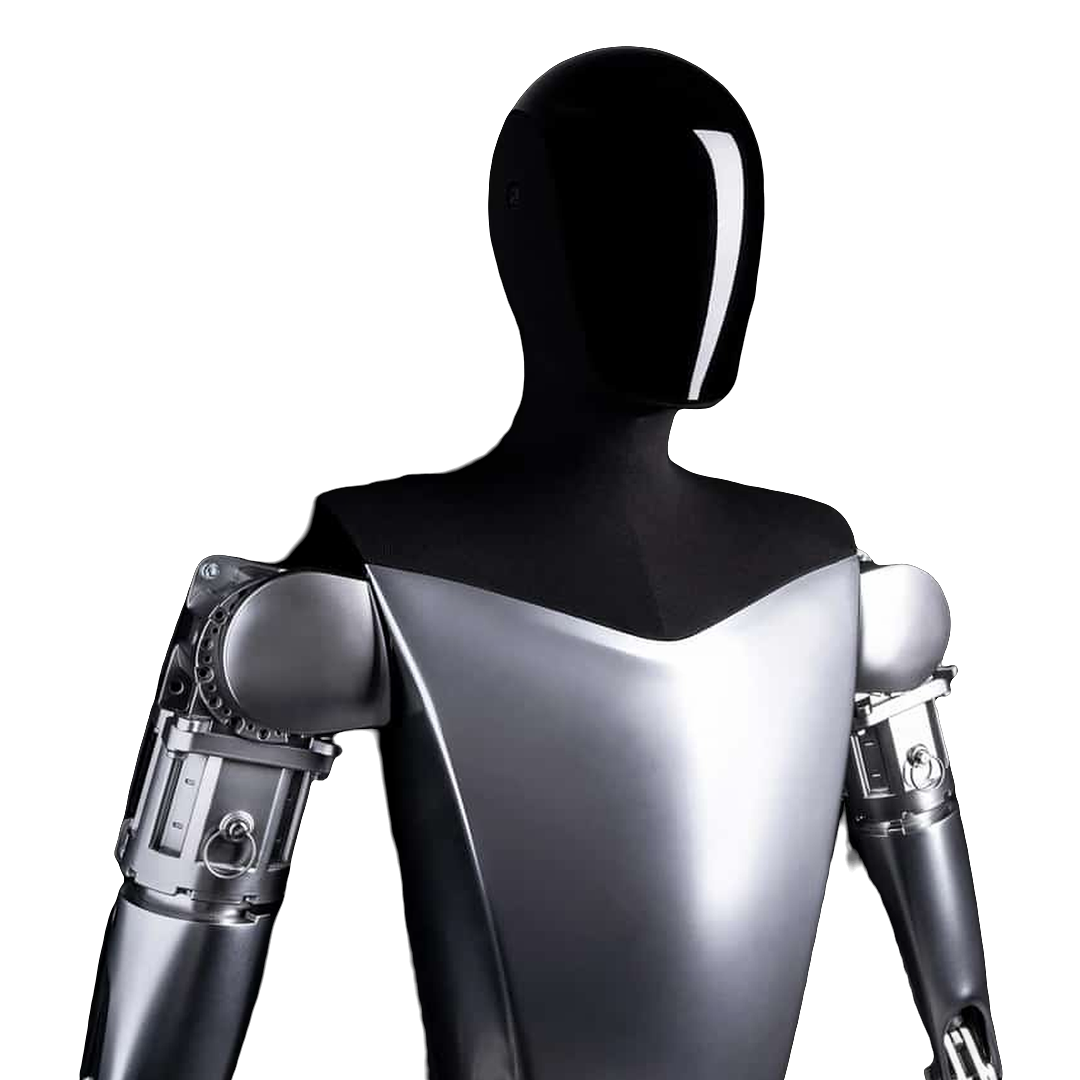
Tesla Bot (Optimus) is a humanoid developed by Tesla, designed to handle repetitive or dangerous tasks. Tesla envisions playing a major role in future labor automation.
by
Tesla
Designed for high-risk and repetitive roles, Tesla’s Optimus bot aims to redefine the global workforce through advanced humanoid robotics.

by
Holiday Robotics
A humanoid robot project aimed at domestic assistance and personal service.