Learn what this feature means, why it is essential, and how it is used across different humanoid robots.
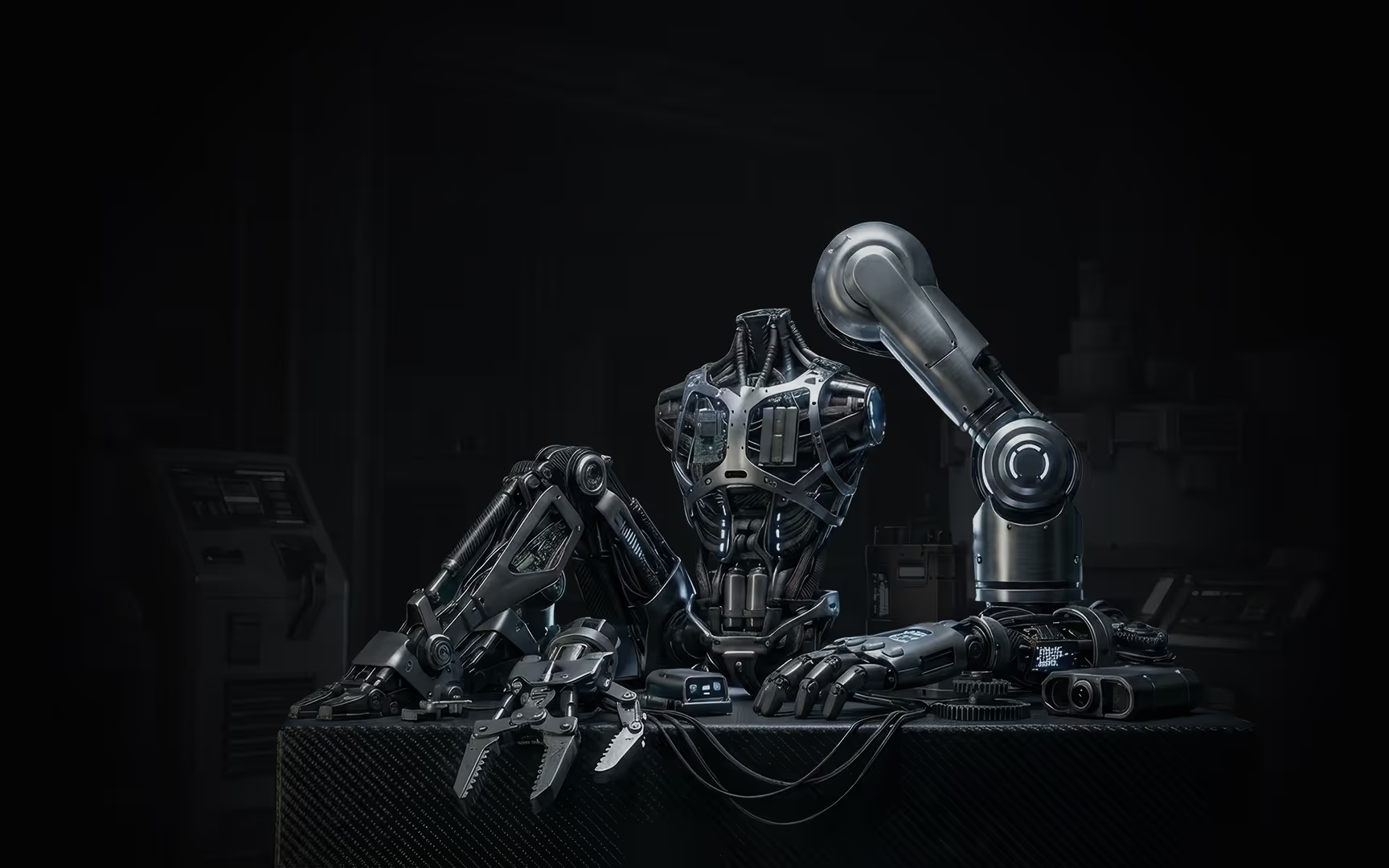

Degrees of Freedom (DoF). The number of independent movements a robot can make.
Represents the number of independent movements a robot can make. It is directly linked to a robot's versatility and dexterity, with more DoF allowing for more complex tasks. A typical humanoid robot has 30 or more DoF to mimic human-like motion , with specific models like the PAL Robotics REEM-C boasting 68 DoF.
Examples
The Tesla Optimus Gen 2 features 28 degrees of freedom in the body and 11 in each hand to mimic human motion.


by
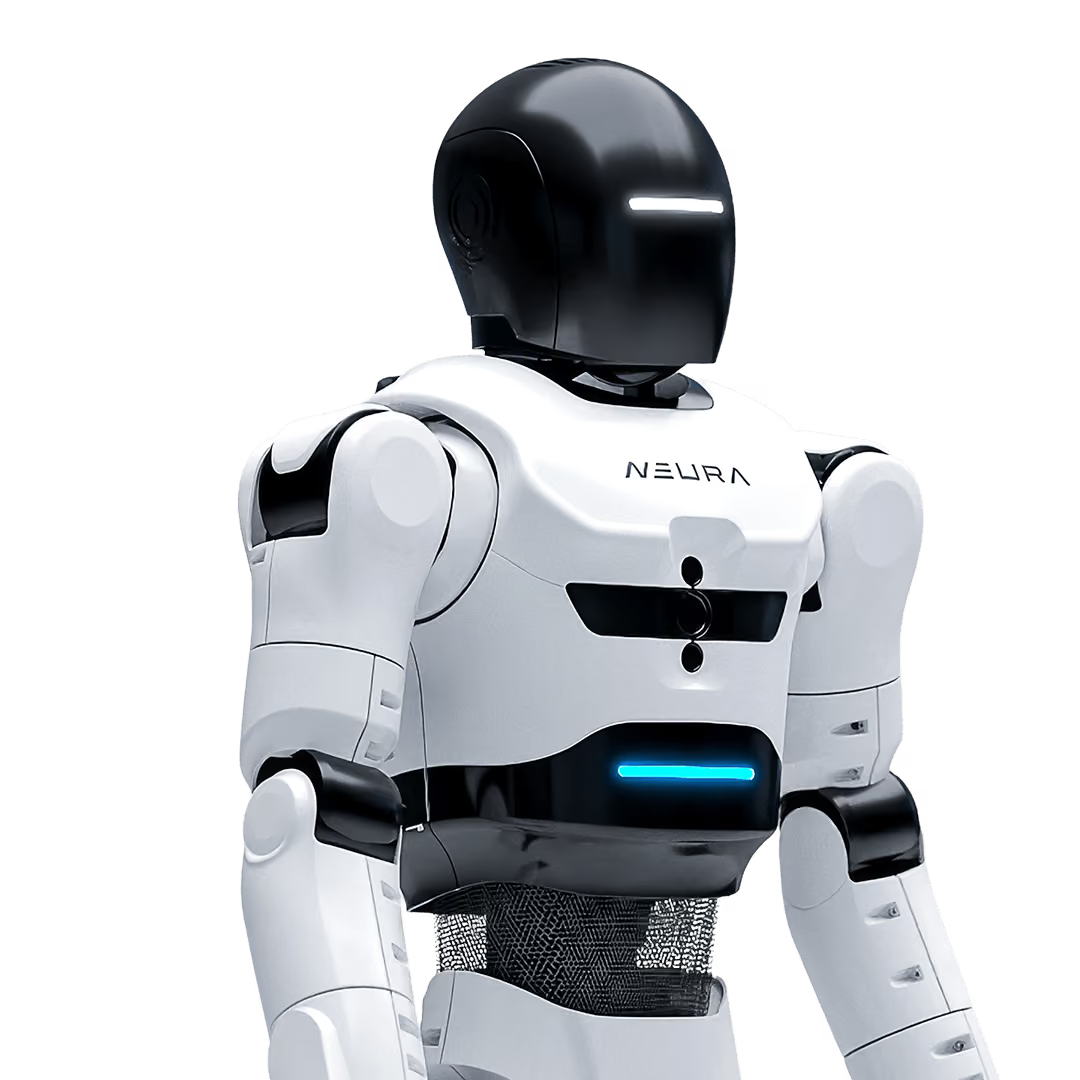
Neura Robotics
A compact version of the 4NE-1 platform, optimized for research, education, and lighter service tasks in indoor settings.

by
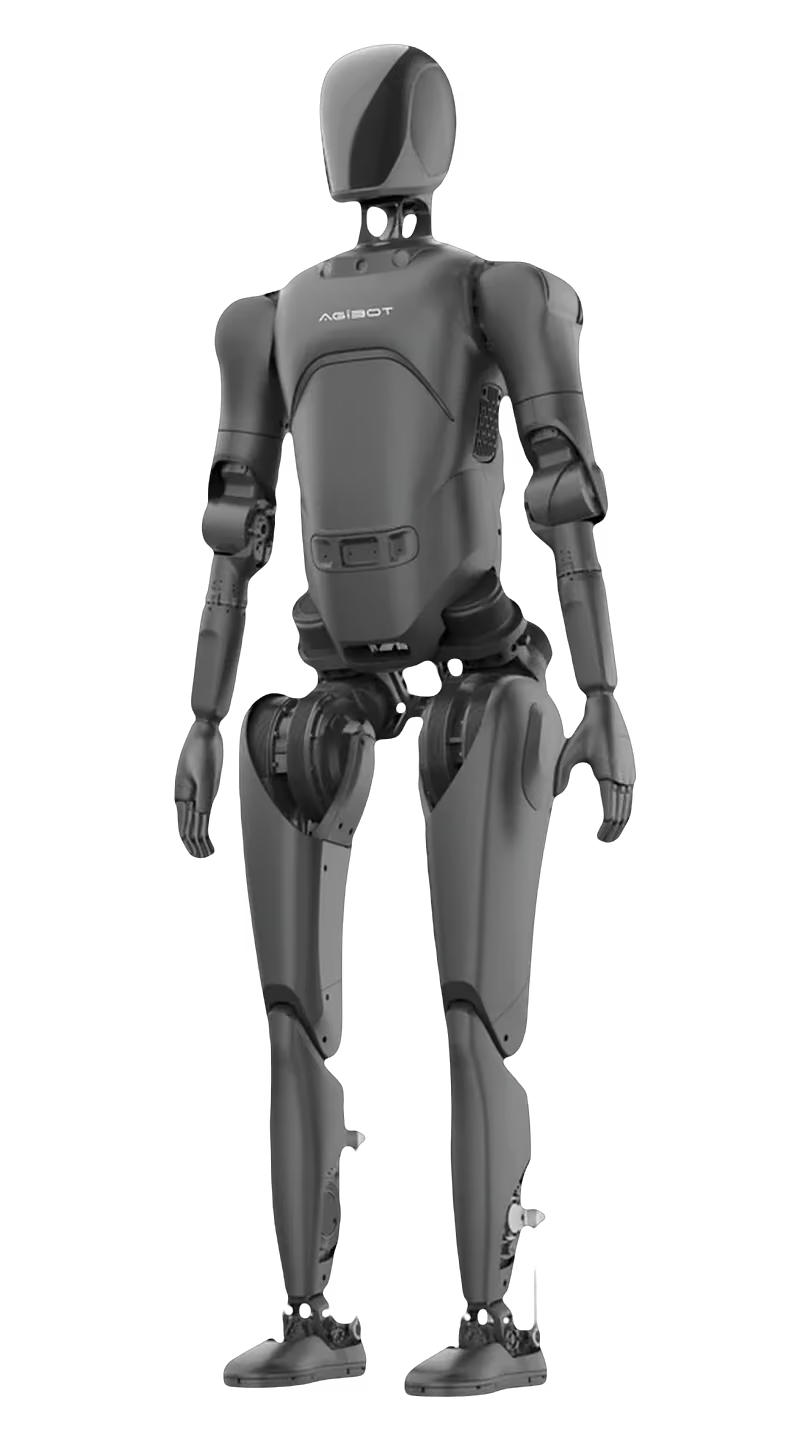
AgiBot
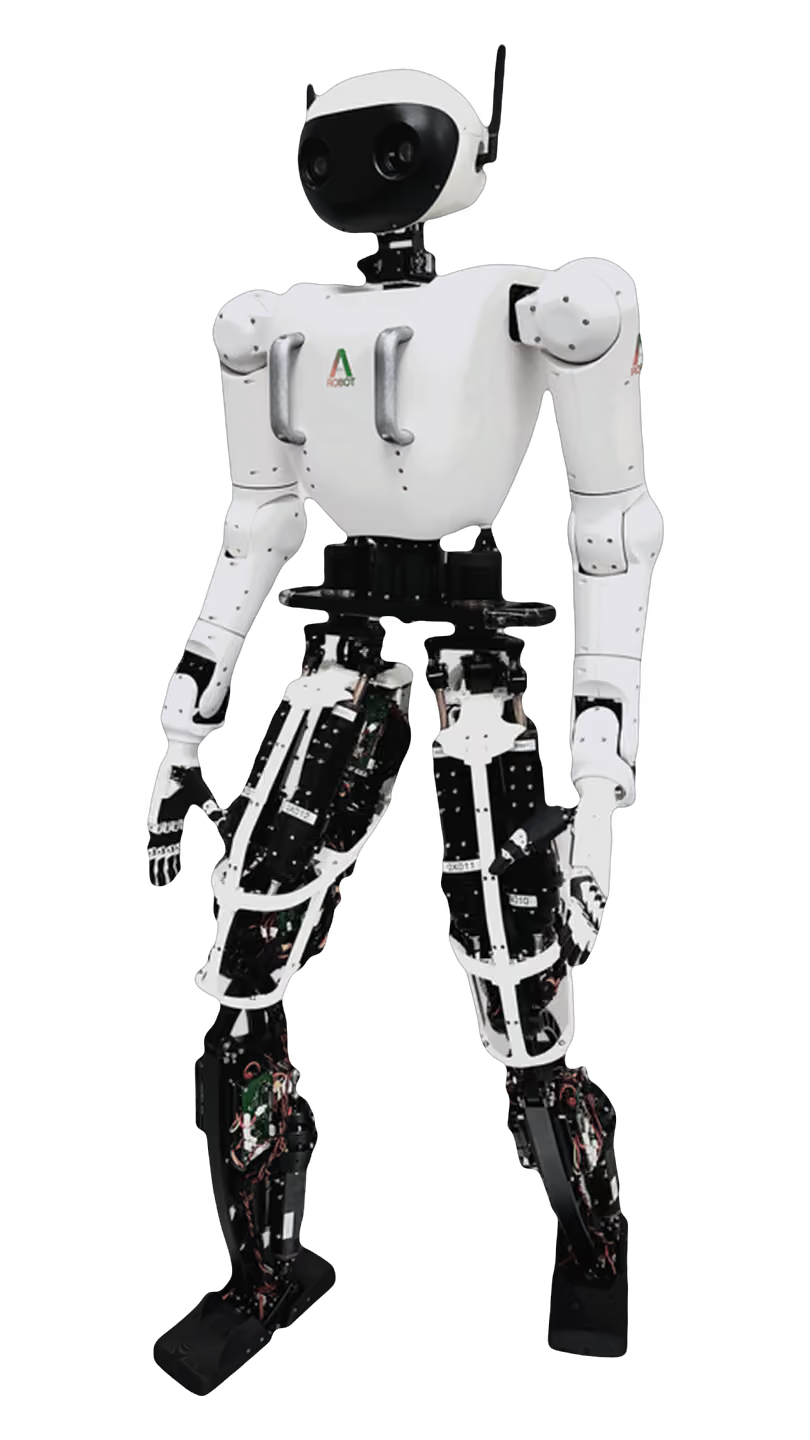
A cost-optimized variant of AgiBot's A2 humanoid with 23 DoF, designed for interactive service, education, and live performances.
by
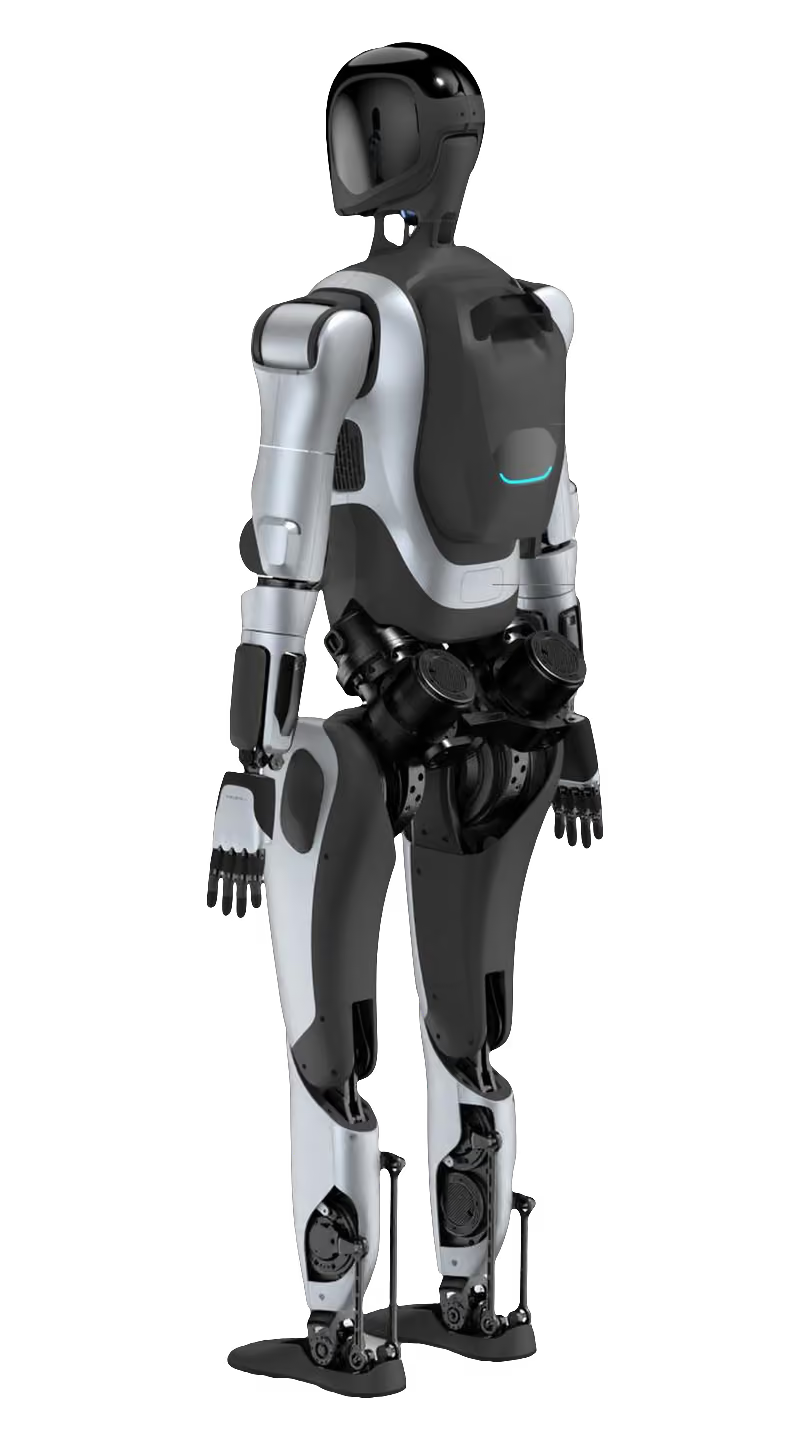
AgiBot
The flagship of AgiBot's A2 series with 40+ DoF, dexterous hands, 3D LiDAR, and hot-swappable batteries for interactive service and performances.

by
PNDbotics
A 167cm tall humanoid research platform with 41 DOF, designed for developers to test motion algorithms.

by
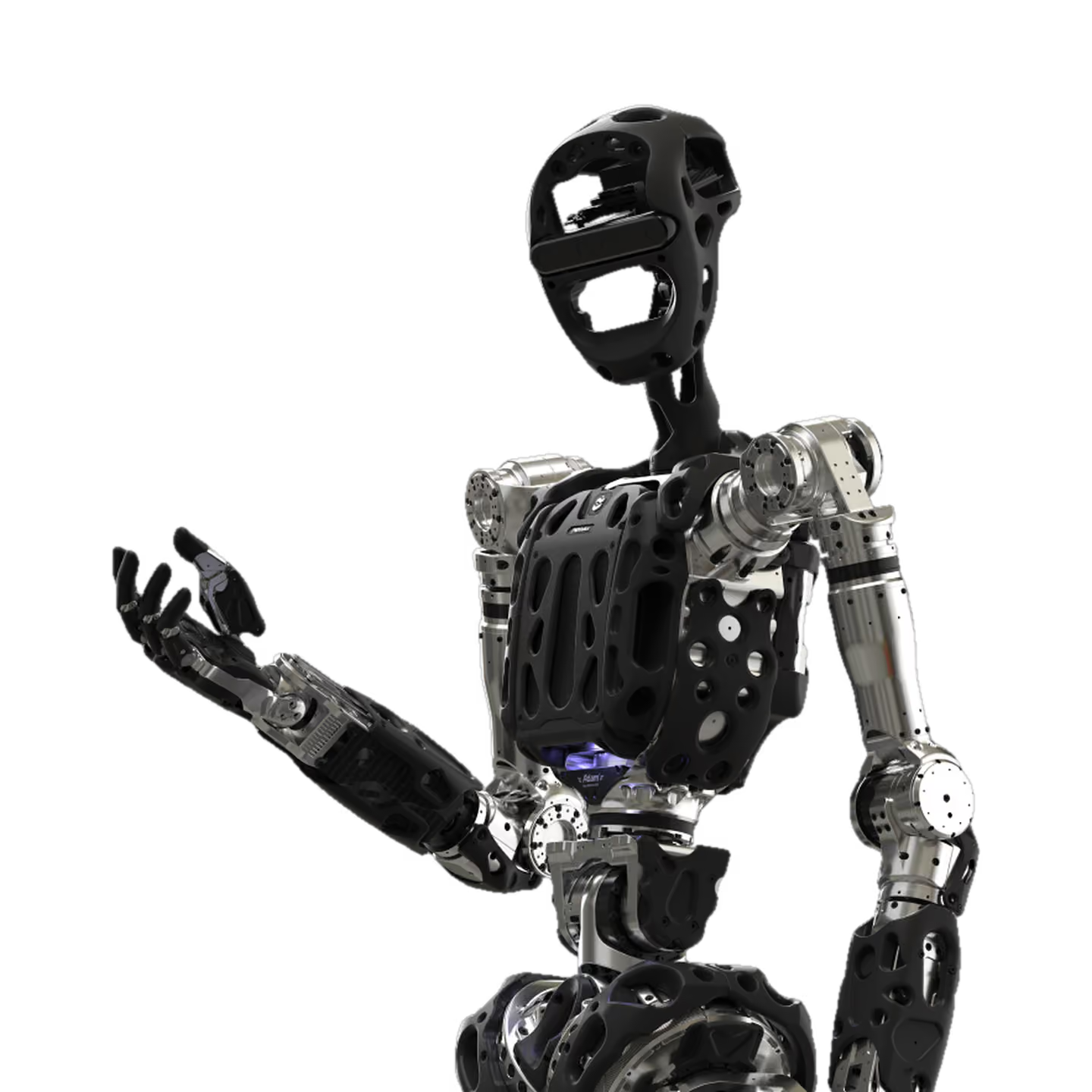
Aei Robot
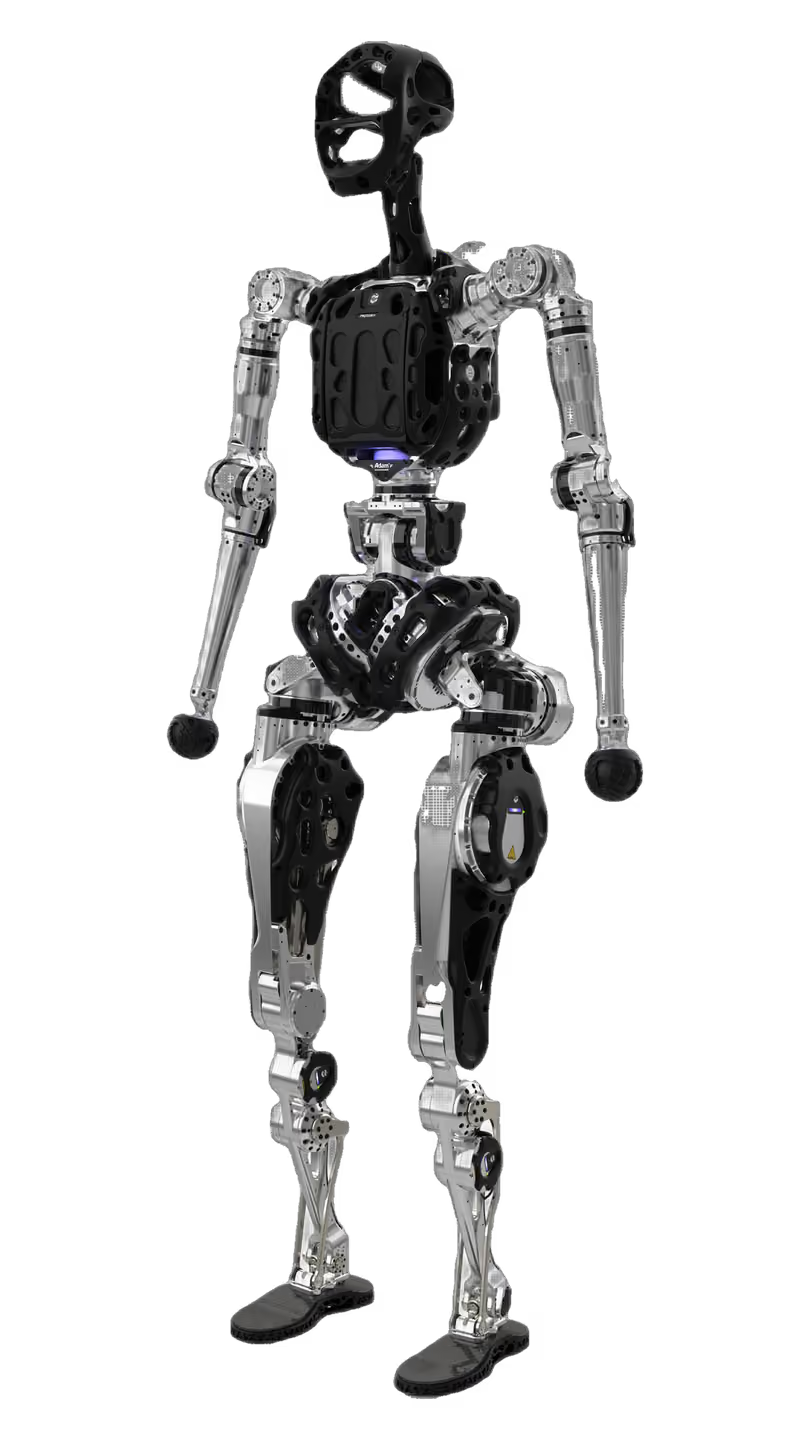
A 41-DoF bipedal humanoid built on proprietary gearless linear actuators for precise force control in research and manufacturing.

by
Boston Dynamics
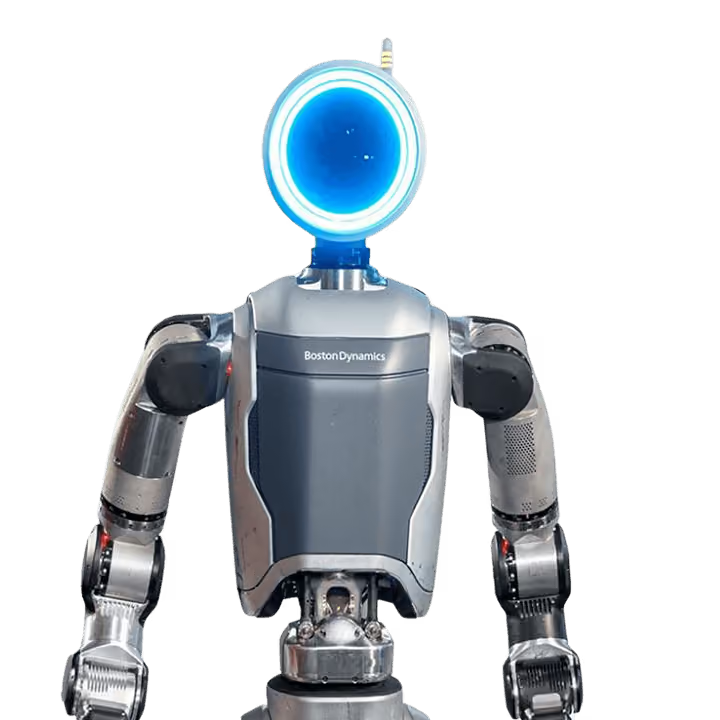
The next-generation, all-electric version of Atlas, designed for real-world applications and commercialization.

by
Dobot
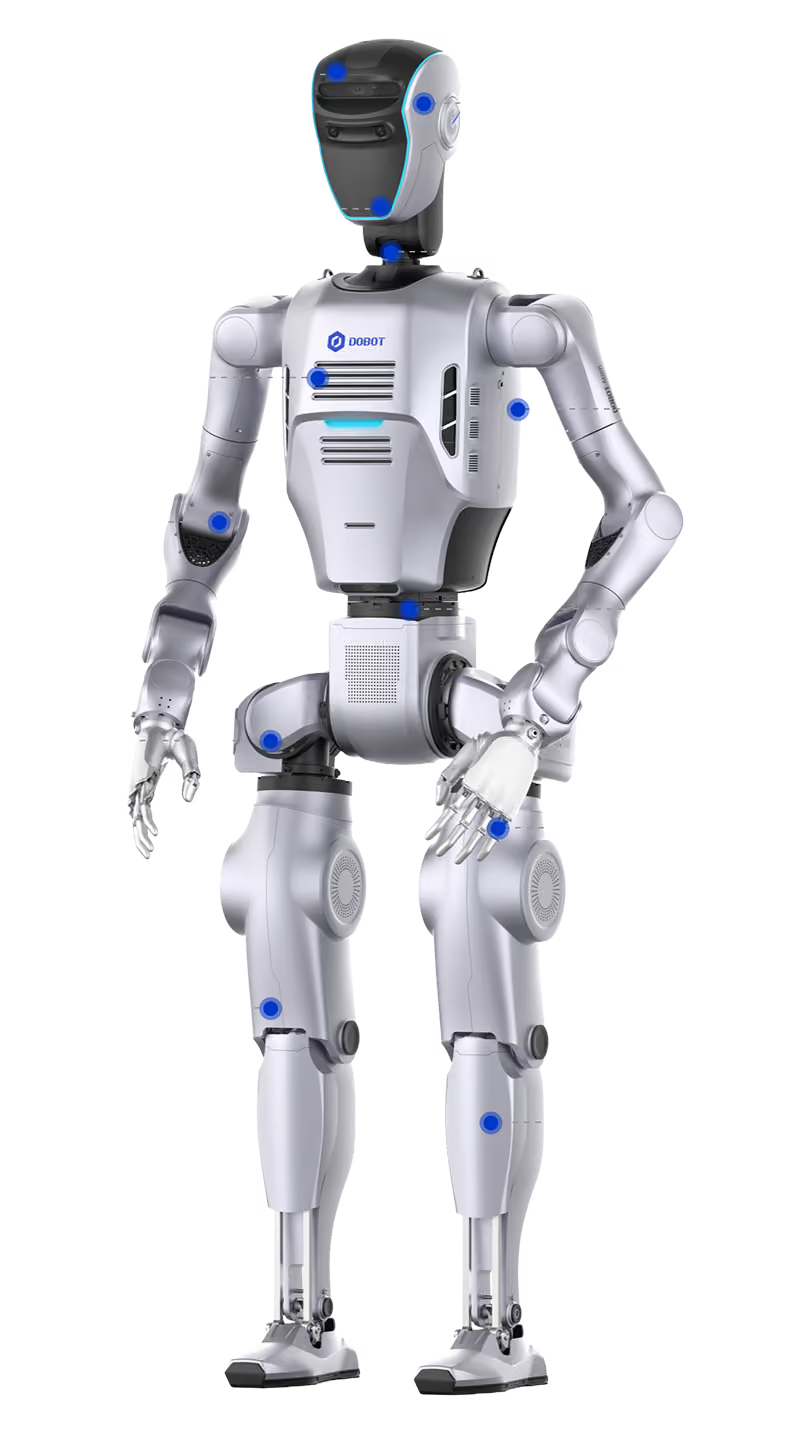
A full-size humanoid robot with 28 DoF and an energy-efficient straight-knee walking system, powered by ROM-1 embodied AI.

by
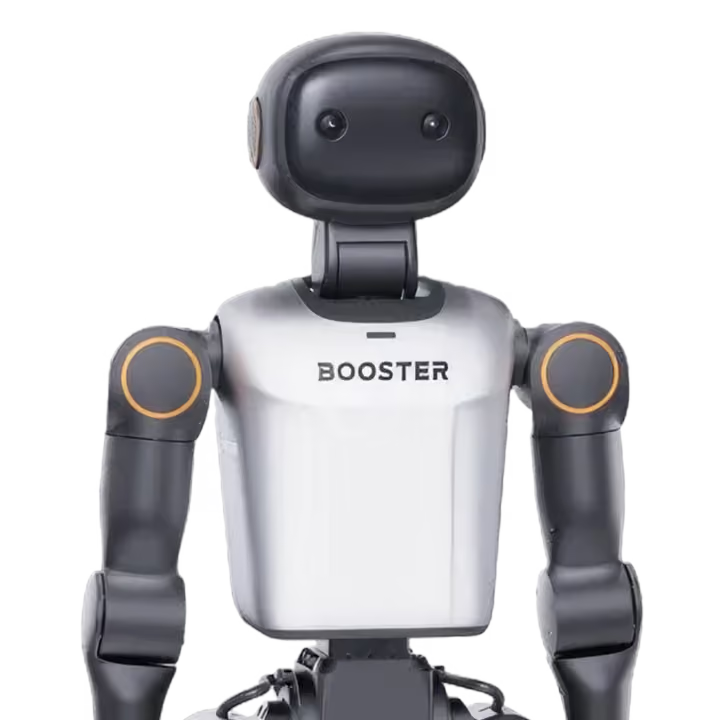
Booster Robotics
A compact, 95cm tall educational humanoid robot with 22 DOF, designed for research and robotics competitions.

by
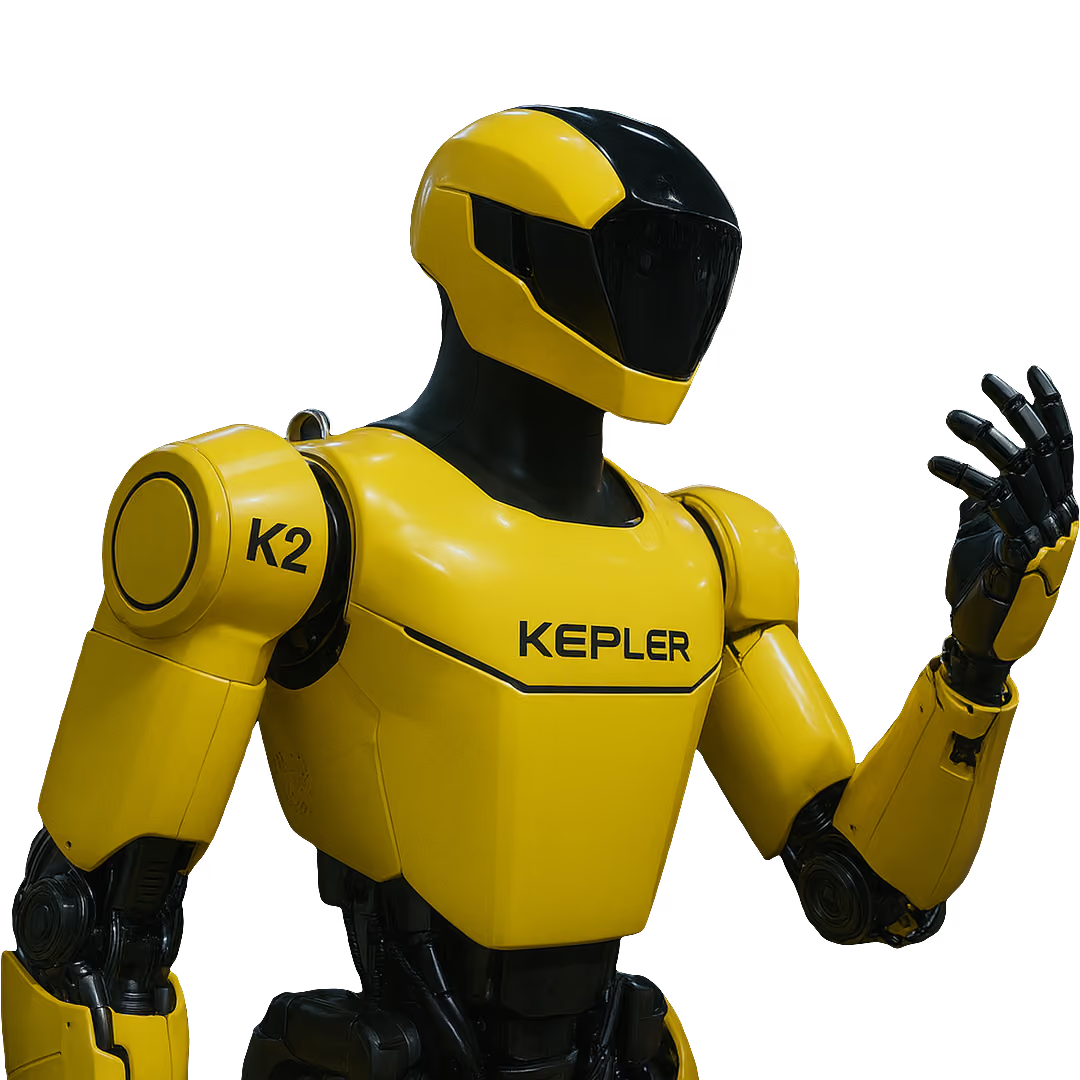
Keplerbot
A 52-DoF industrial humanoid with tactile dexterous hands, 8-hour battery endurance, and planetary roller-screw actuators for heavy-payload tasks.

by
Sanctuary AI
A general-purpose, carbon-fiber humanoid robot designed for autonomous work, powered by the 'Carbon' AI control system.

by
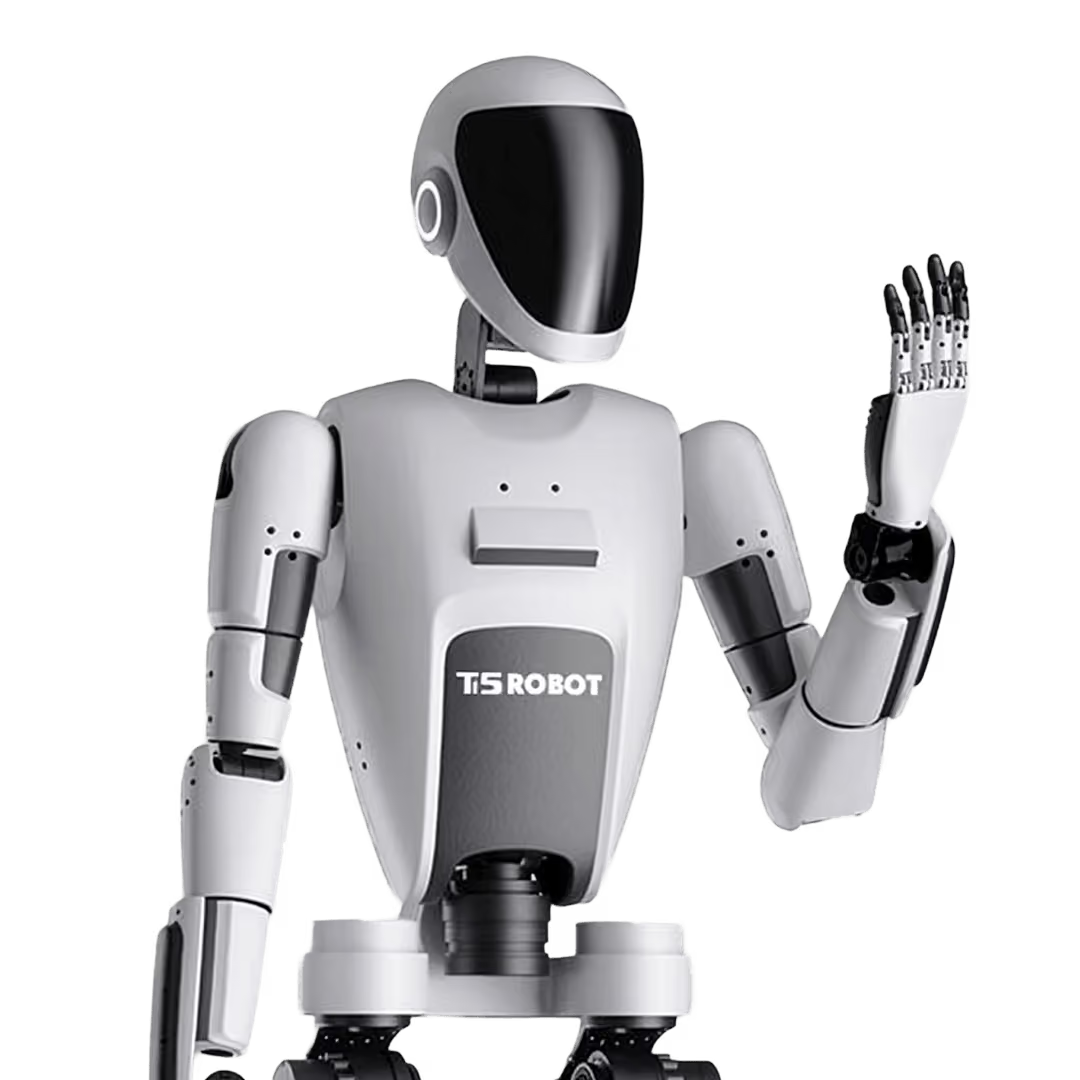
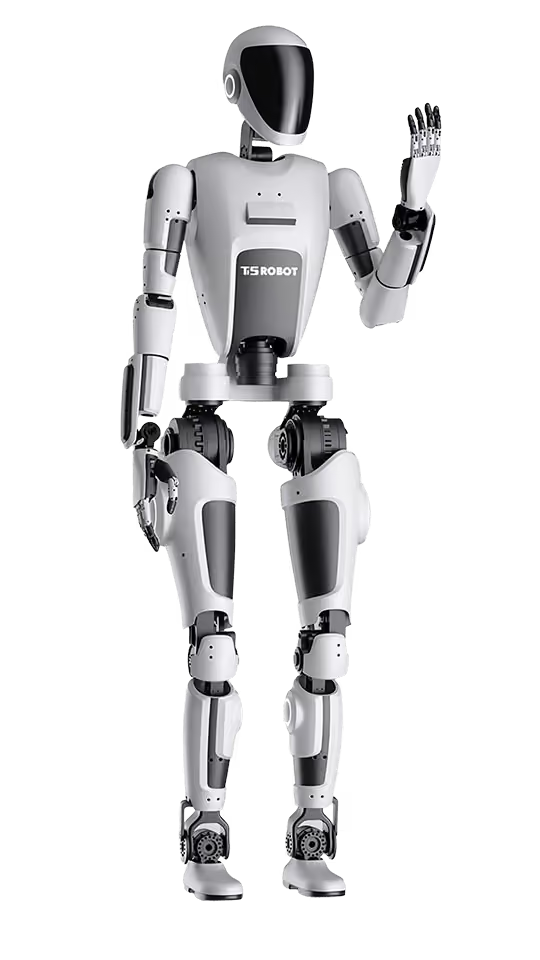
Ti5 Robot
A 1.7m bipedal platform with high torque density joints, capable of dynamic movements like jumping.

by
EngineAI
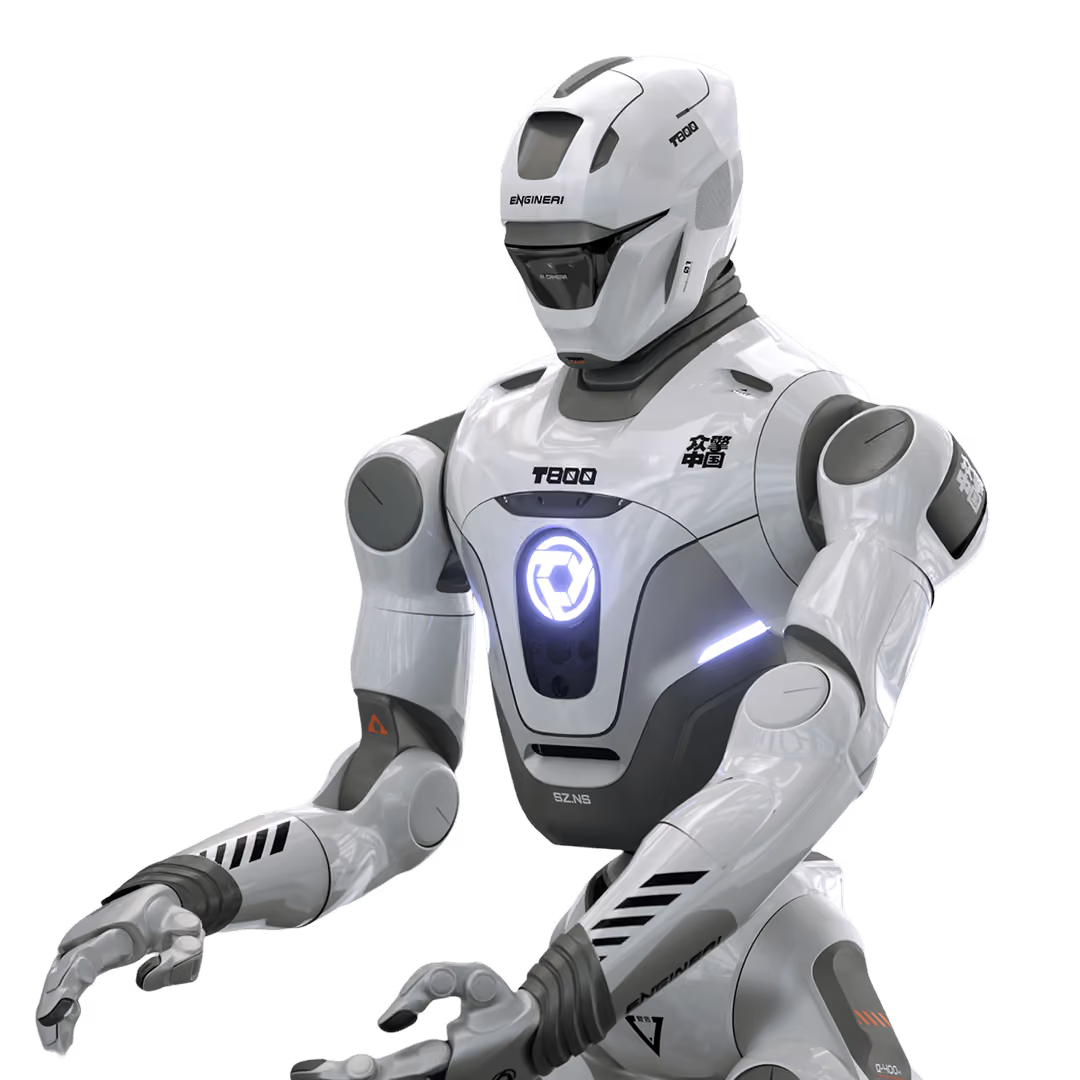
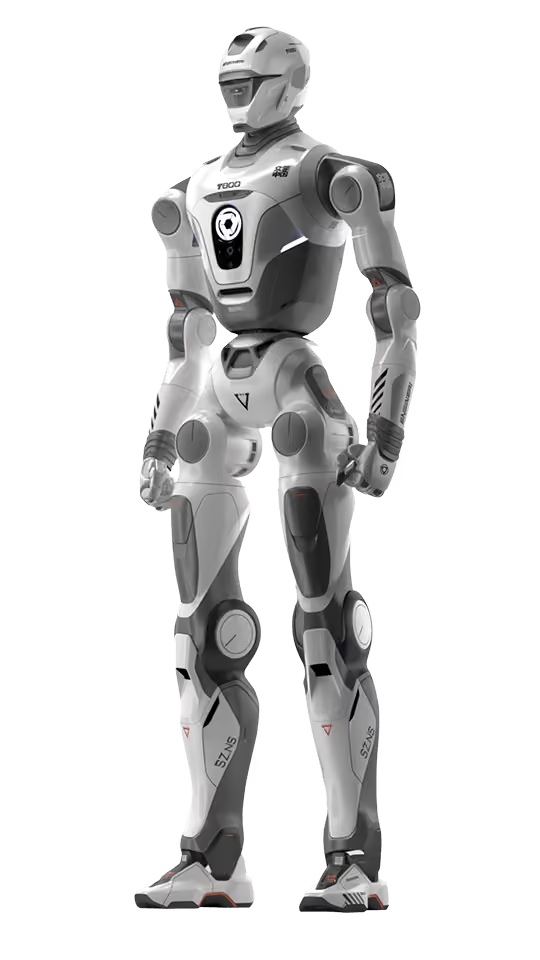
A 1.85m full-body humanoid built for heavy industrial tasks, featuring 41 DOF and high payload capacity.