Image:
IHMC Robotics
A next-generation bipedal research humanoid for outdoor urban operations and extreme environments, successor to IHMC's Nadia.

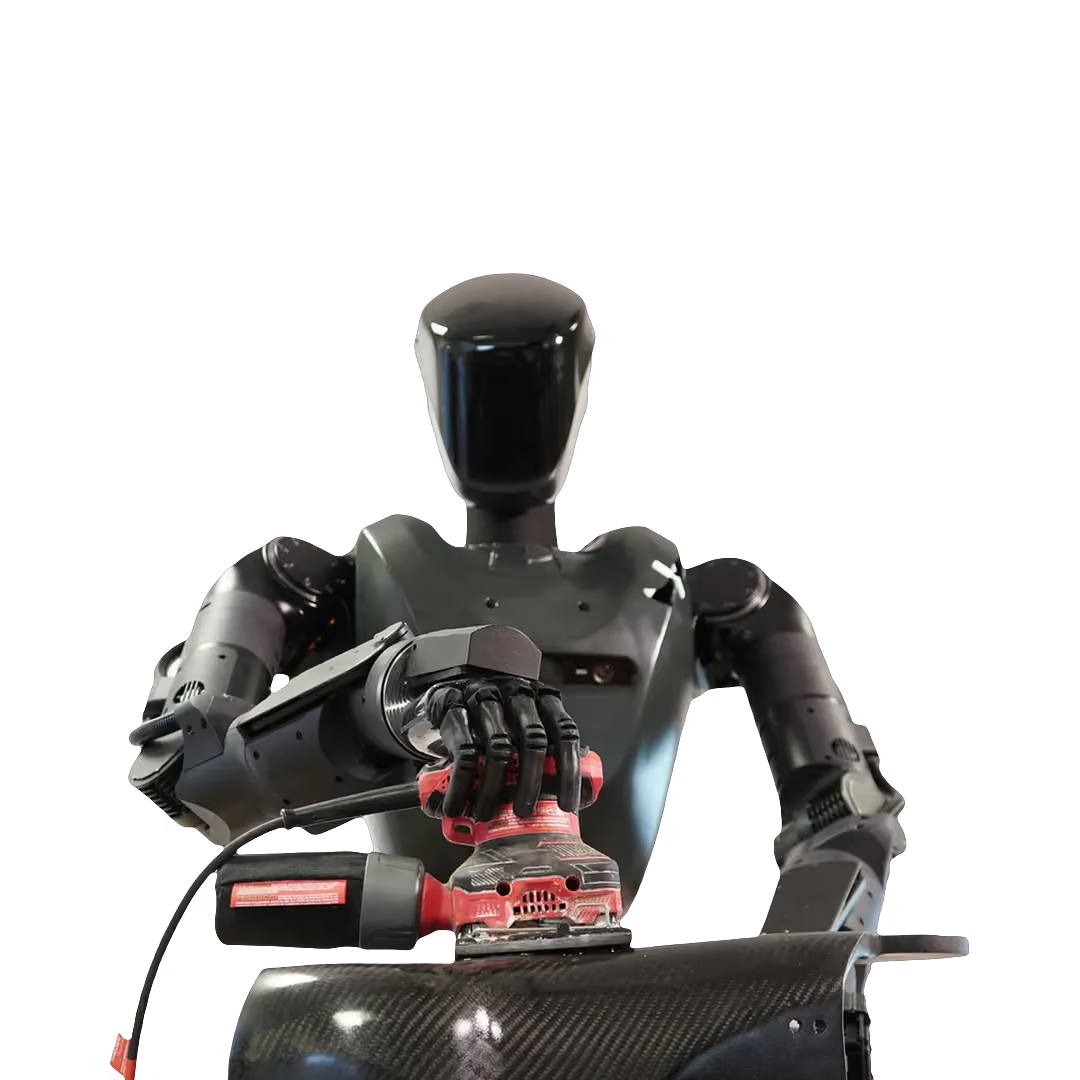
IHMC Whole-Body Control Stack

Height
N/A
cm

Weight
85
kg

Speed
N/A
m/s

Payload
N/A

Actuators
Custom high-power electric actuators, low-friction transmissions

DoF (Domains of freedom)
N/A
°

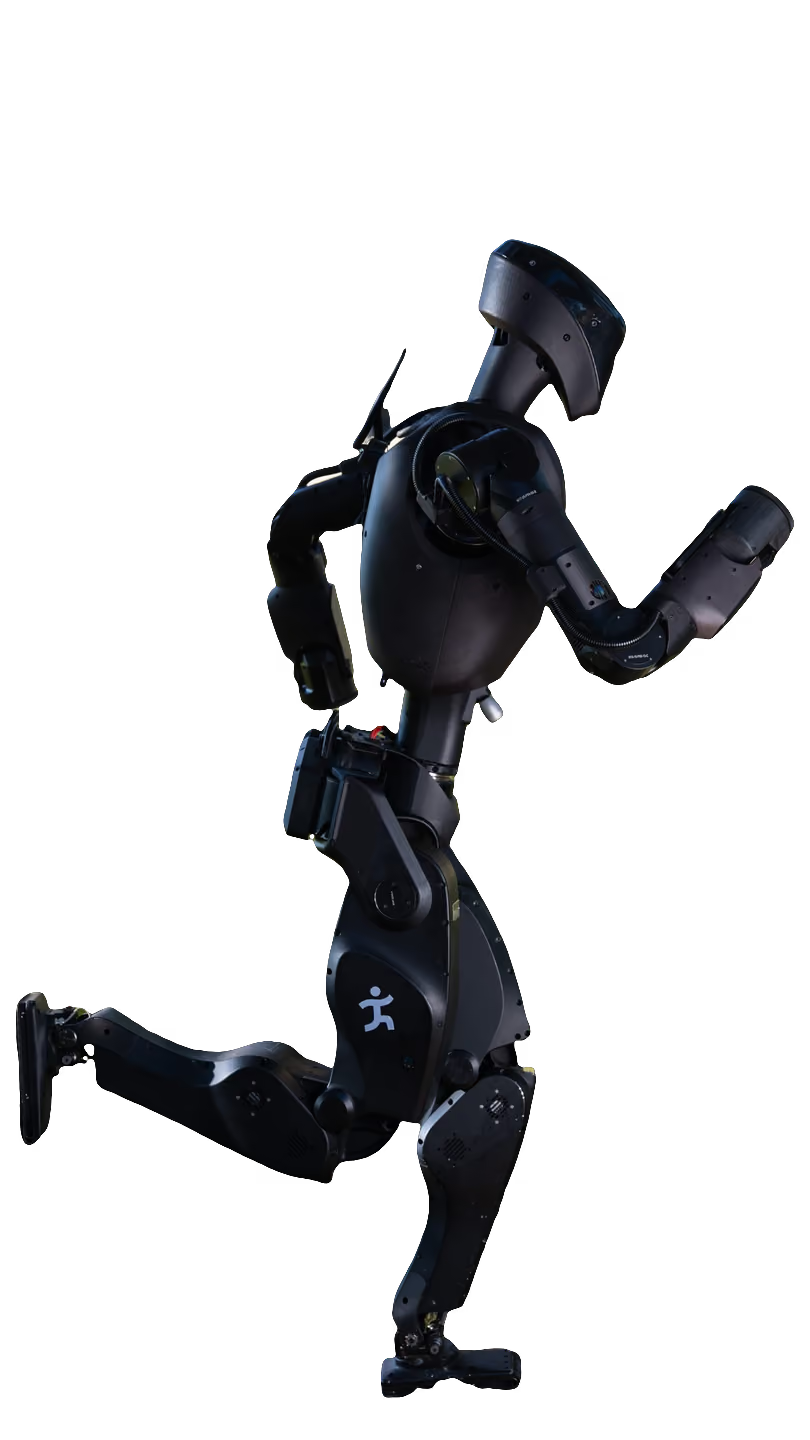
Dynamic stability control to survive heavy external impacts.
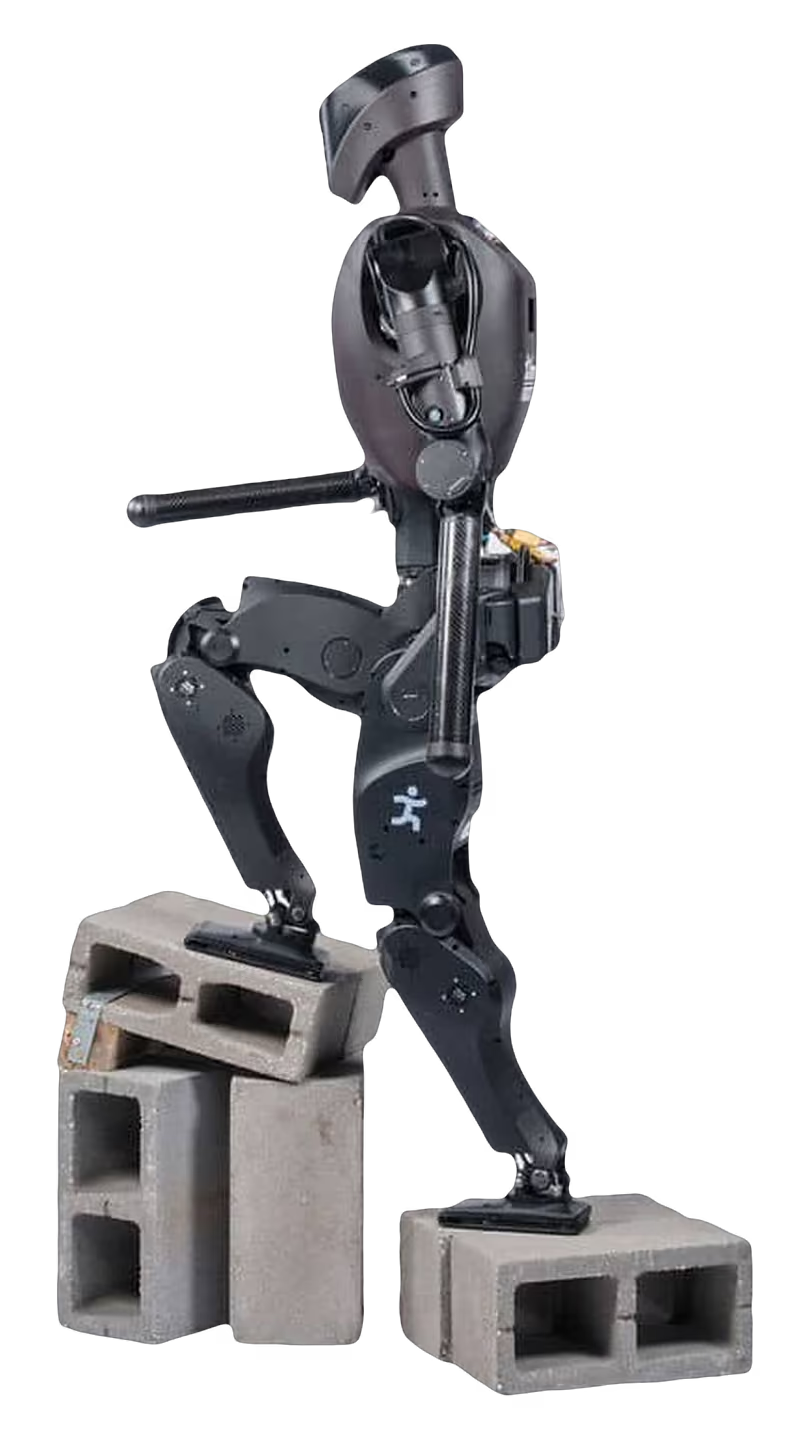
Engineered for climbing rubble and urban obstacles.
High-fidelity remote proxy operation for first responders.
Robust hardware designed for hazardous environments.

A next-generation bipedal research humanoid for outdoor urban operations and extreme environments, successor to IHMC's Nadia.
Alexander is a research-focused humanoid weighing 85 kg. It features high-torque electric motors and specialized low-friction transmissions designed for high-impact resistance and rapid response in unstructured environments.
Image:
IHMC Robotics
Engineered for urban search and rescue, the robot excels at traversing rubble and uneven terrain. Its top features include high-bandwidth balance recovery, tele-operation with haptic feedback, and the ability to climb standard industrial stairs.
Alex by IHMC
Actuators
Custom high-power electric actuators, low-friction transmissions
DoF (Domains of freedom)
N/A
°
Height
N/A
cm
Speed
N/A
m/s
Weight
85
kg
Payload
N/A
kg

Runtime
N/A
h

OS / AI System
IHMC Whole-Body Control Stack
Leverages IHMC's world-renowned whole-body control algorithms and behavior cloning pipelines. The tech stack focuses on high-frequency state estimation and force-control logic to maintain stability under significant external disturbances.
Image:
IHMC Robotics
Funded by the Office of Naval Research (ONR) and DEVCOM Army Research Lab. Designed for testing semi-autonomous intervention in environments where human presence is too risky.
At 85 kg (vs. Nadia's 100 kg), Alex uses custom high-power electric actuators instead of hydraulics, enabling battery-powered outdoor operation. Focus shifts from lab-based locomotion research to real-world urban and disaster-response scenarios.
Features advanced control algorithms that allow the robot to maintain balance after being pushed, exhibiting a "human-like" physical resilience in chaotic environments.
Engineered to traverse uneven terrain and climb obstacles using coordinated movements that parallel the athletic capabilities of a human first responder.
Designed to be operated through high-fidelity interfaces that allow a human pilot to see and feel what the robot does, acting as a remote human proxy.


by
1X Technologies
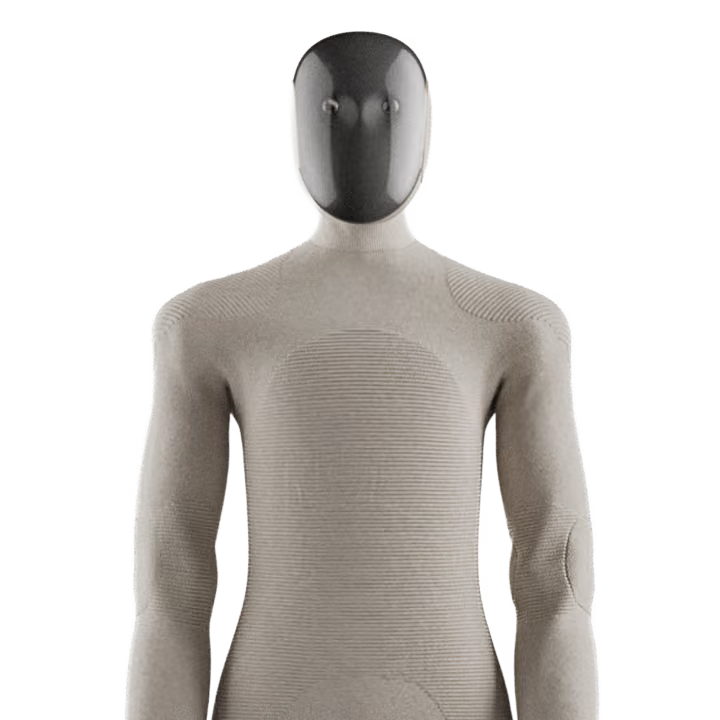
The next-generation domestic humanoid featuring a muscle-like soft body design and advanced visual manipulation for household tasks.

by
Tesla
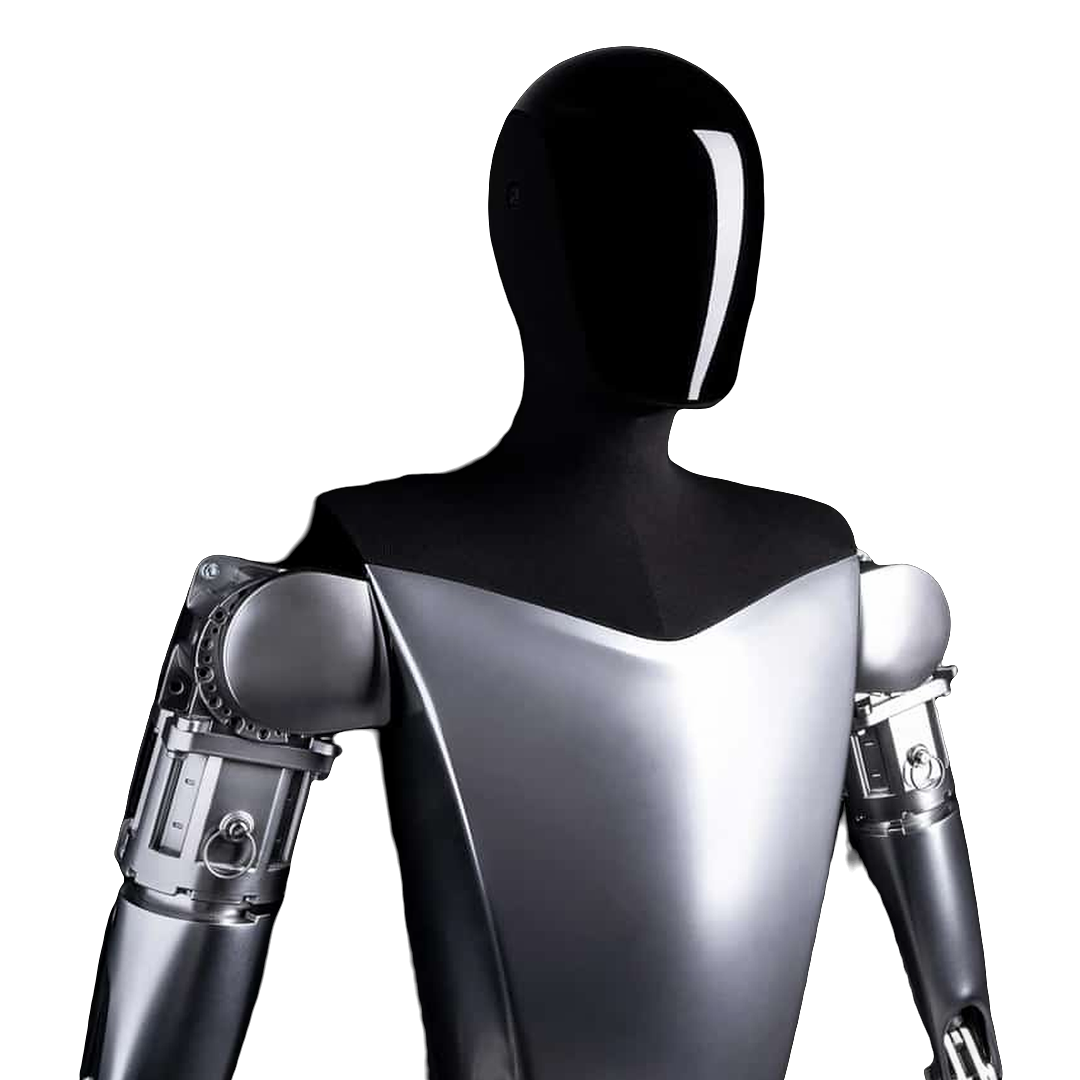
Tesla Bot (Optimus) is a humanoid developed by Tesla, designed to handle repetitive or dangerous tasks. Tesla envisions playing a major role in future labor automation.
by
Tesla
Designed for high-risk and repetitive roles, Tesla’s Optimus bot aims to redefine the global workforce through advanced humanoid robotics.

by
Holiday Robotics
A humanoid robot project aimed at domestic assistance and personal service.