Learn what this feature means, why it is essential, and how it is used across different humanoid robots.

Partially autonomous control, e.g., "follow-me" function
A robot that can perform some tasks without human control but requires a human for others.
Examples
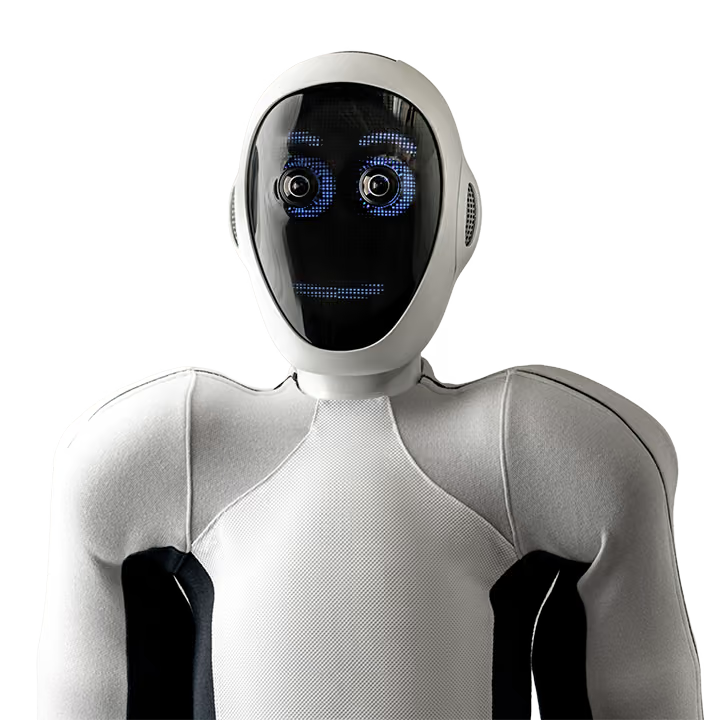
1X's EVE androids utilize "shared autonomy"; they navigate and patrol security sites independently, but instantly switch to human remote control when complex interactions or anomalies occur.


by
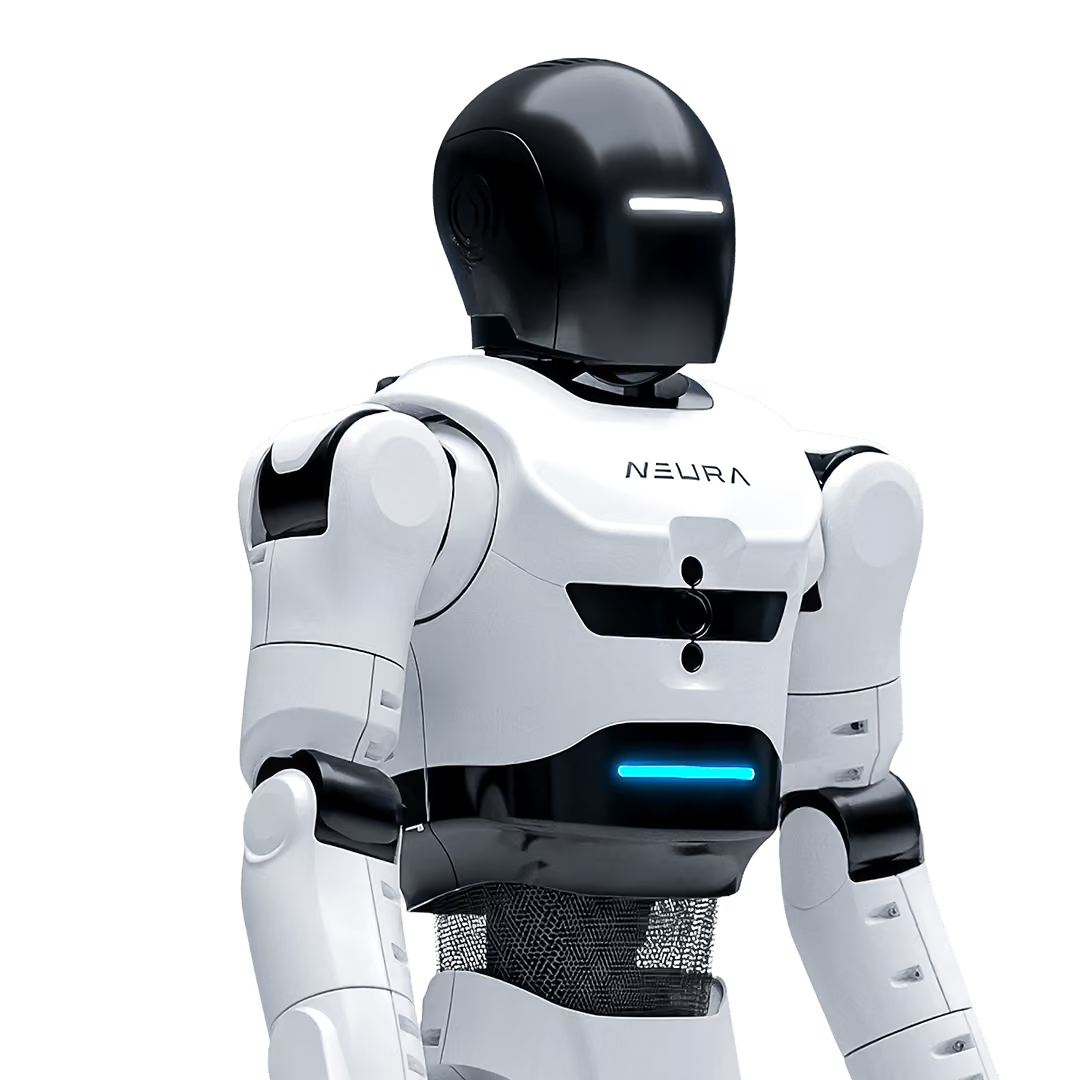
Neura Robotics
A compact version of the 4NE-1 platform, optimized for research, education, and lighter service tasks in indoor settings.

by
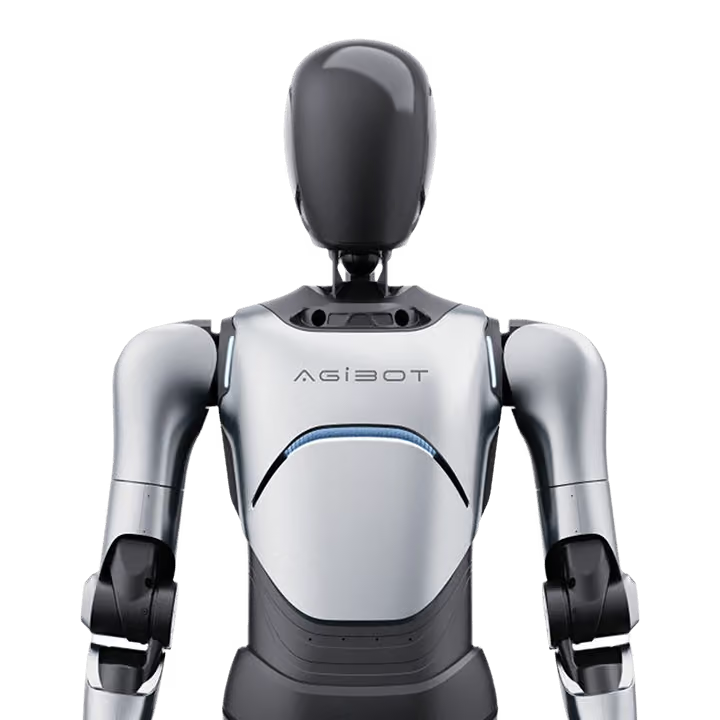
AgiBot
An interactive service humanoid robot designed for commercial and industrial applications, in mass production since late 2024.

by
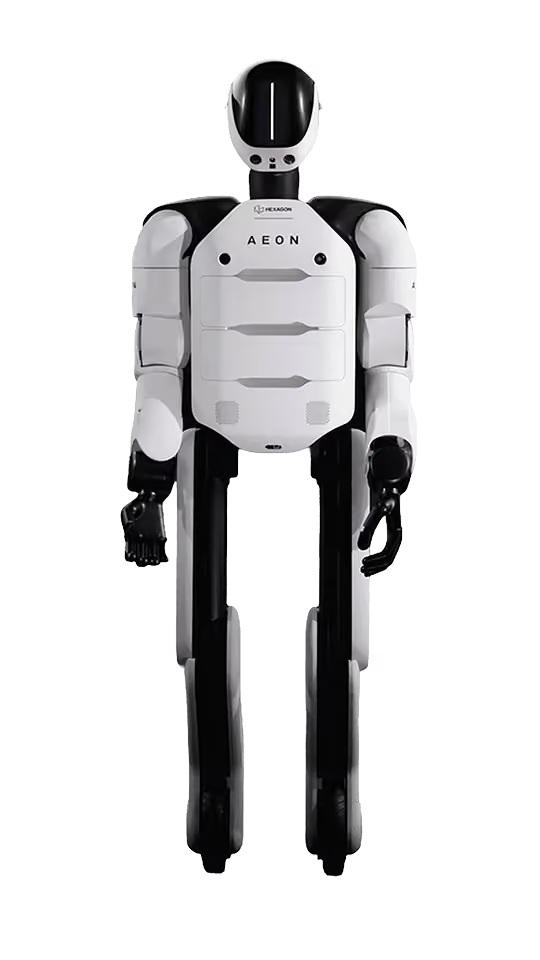
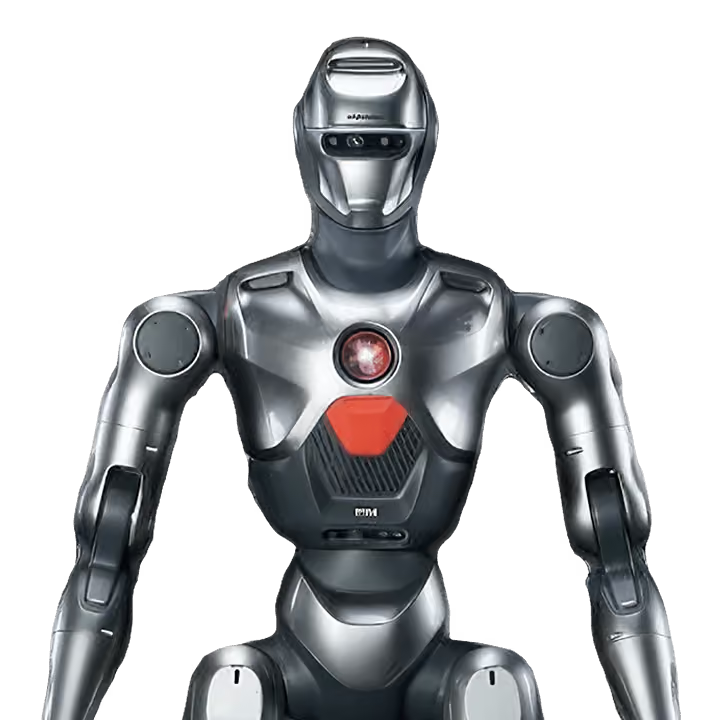
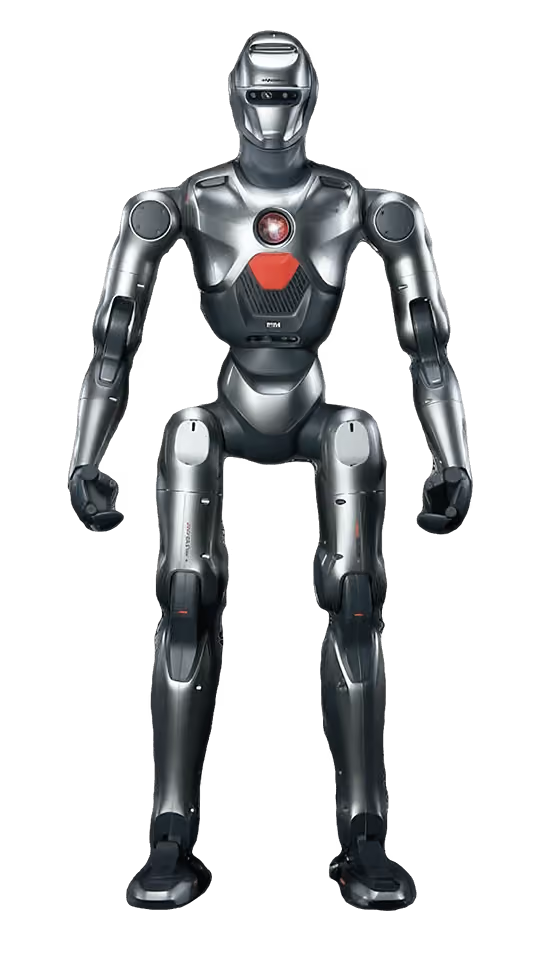
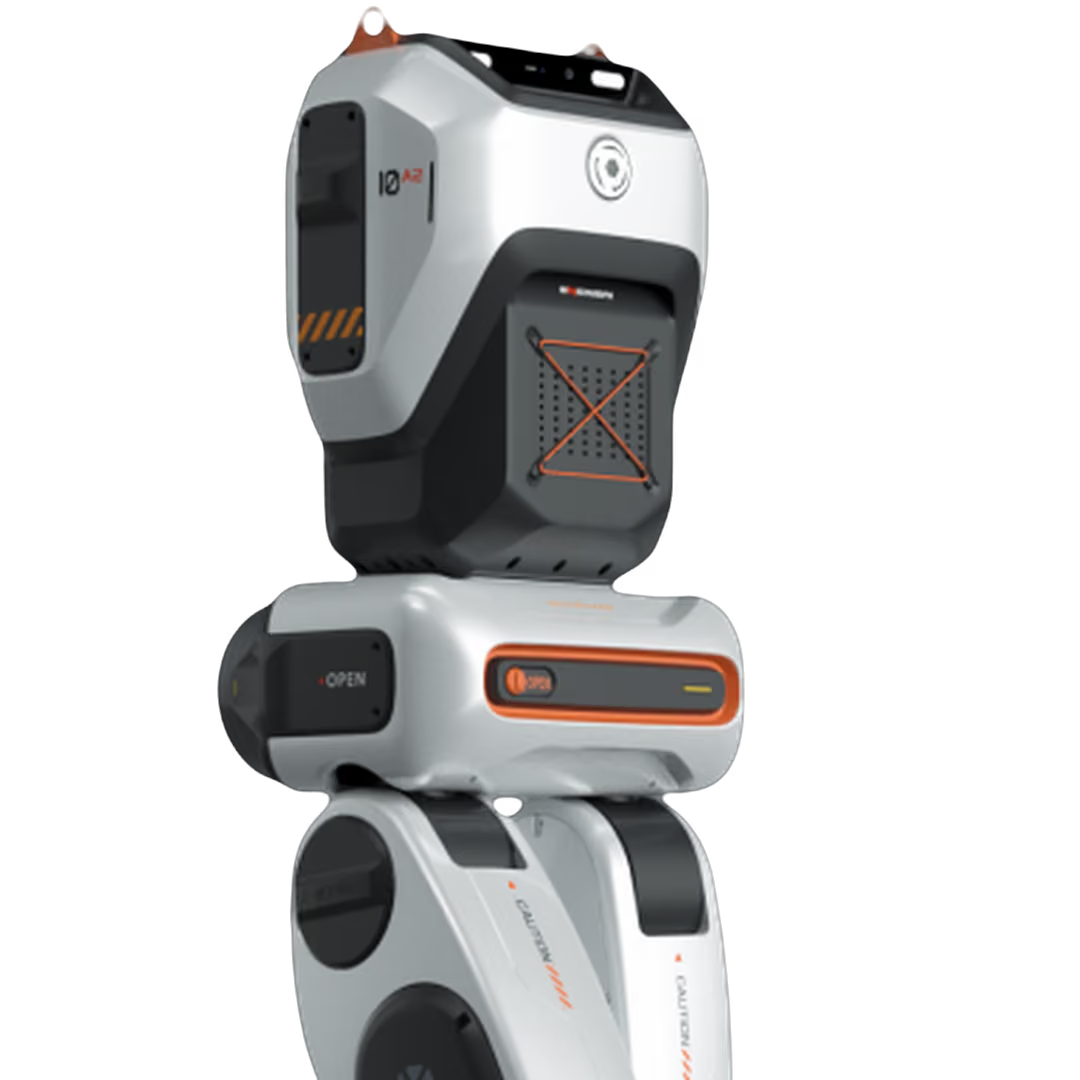
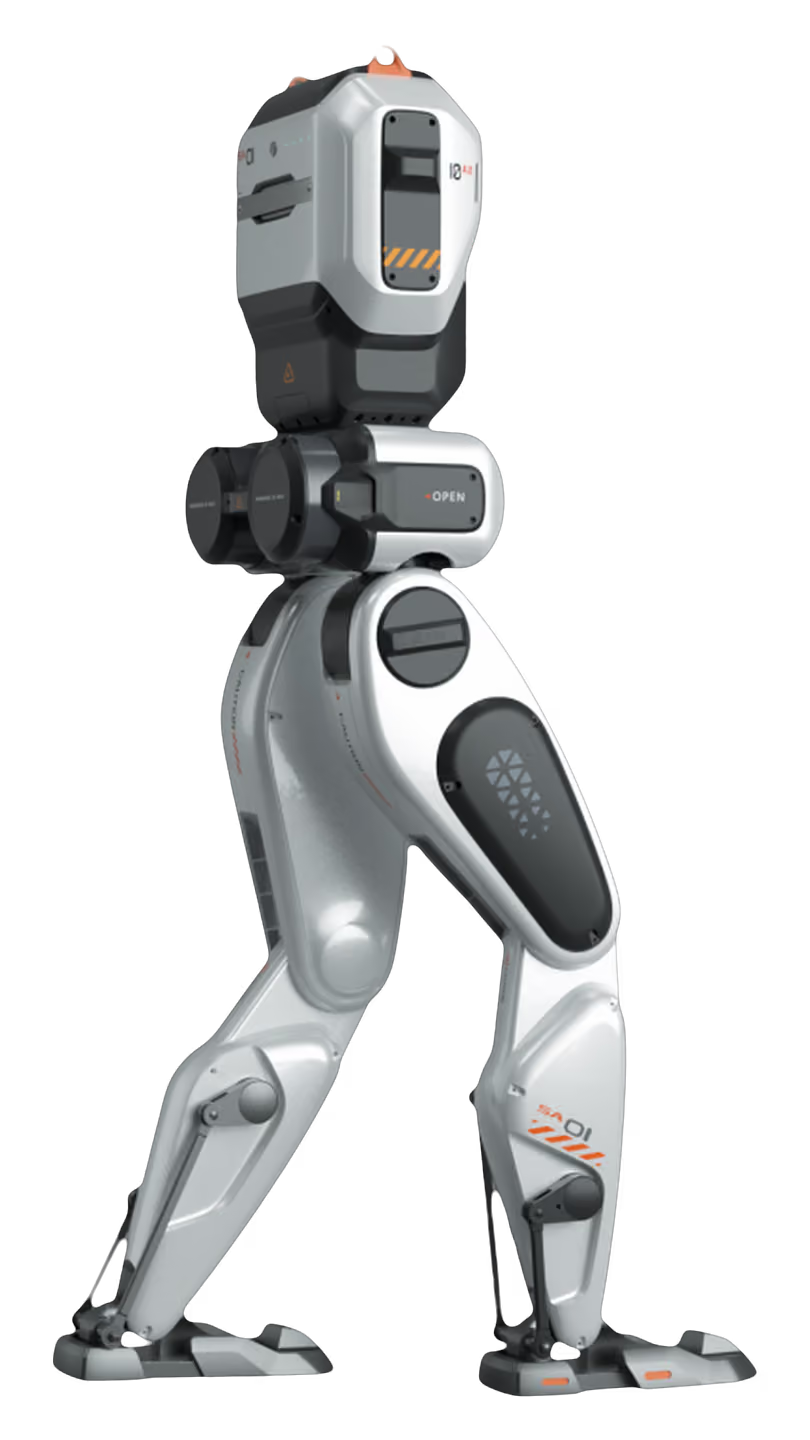
Hexagon
A humanoid robot designed for industrial inspection and quality control, integrating advanced sensors.

by
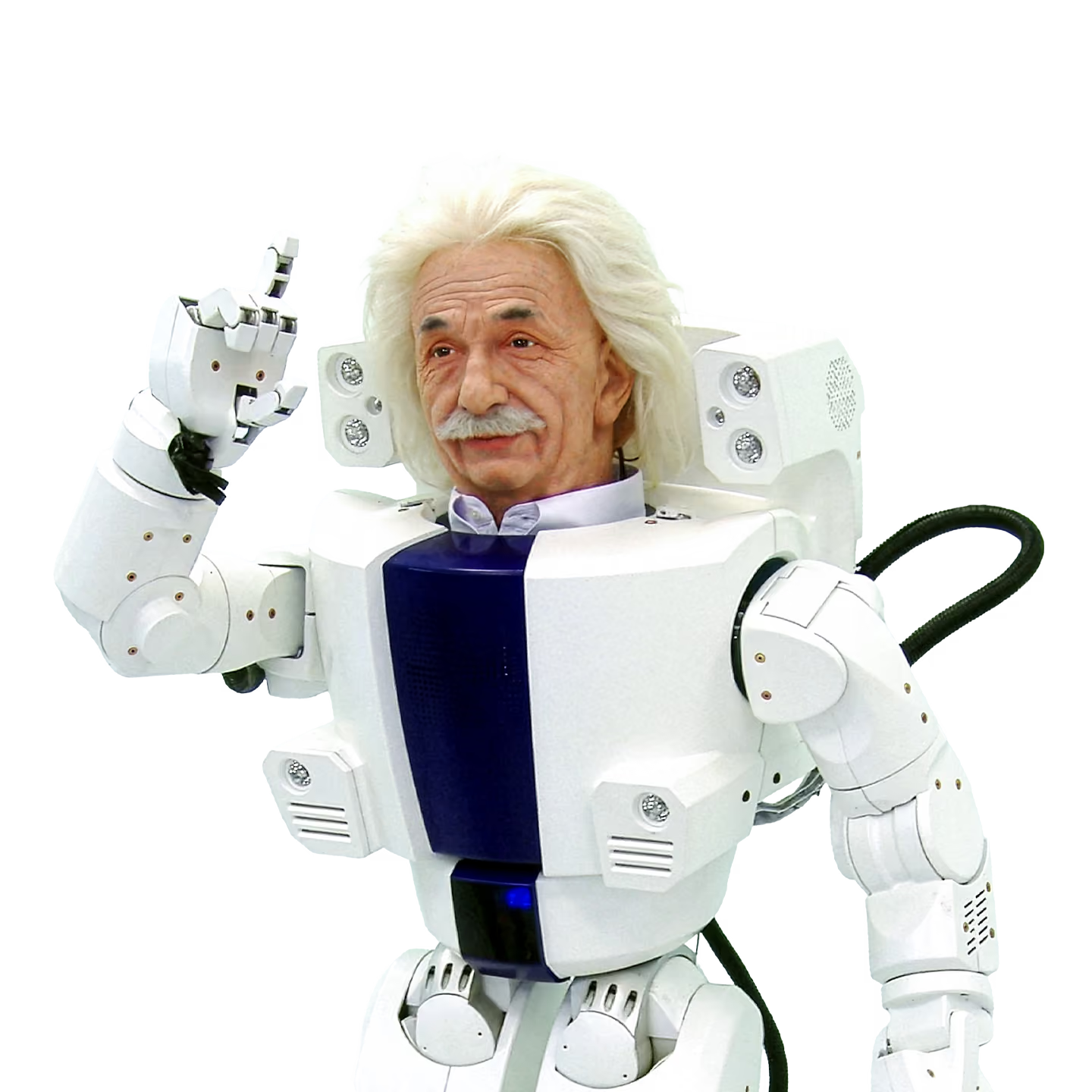
KAIST Hubo Lab
Albert HUBO (2005) was the world’s first android with a head mounted on a life-size walking robotic frame and the world’s first walking humanoid robot.

by
IHMC Robotics
A next-generation bipedal research humanoid for outdoor urban operations and extreme environments, successor to IHMC's Nadia.

by
Engineered Arts
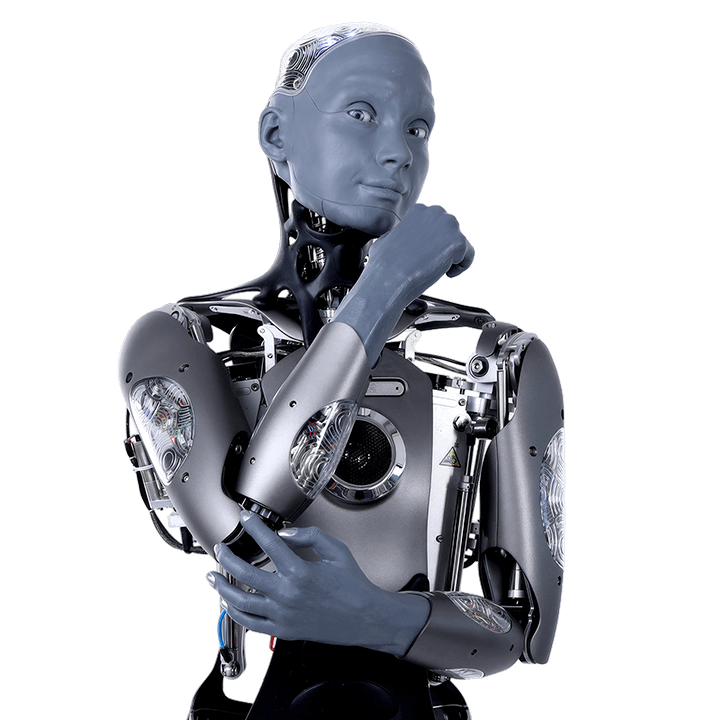
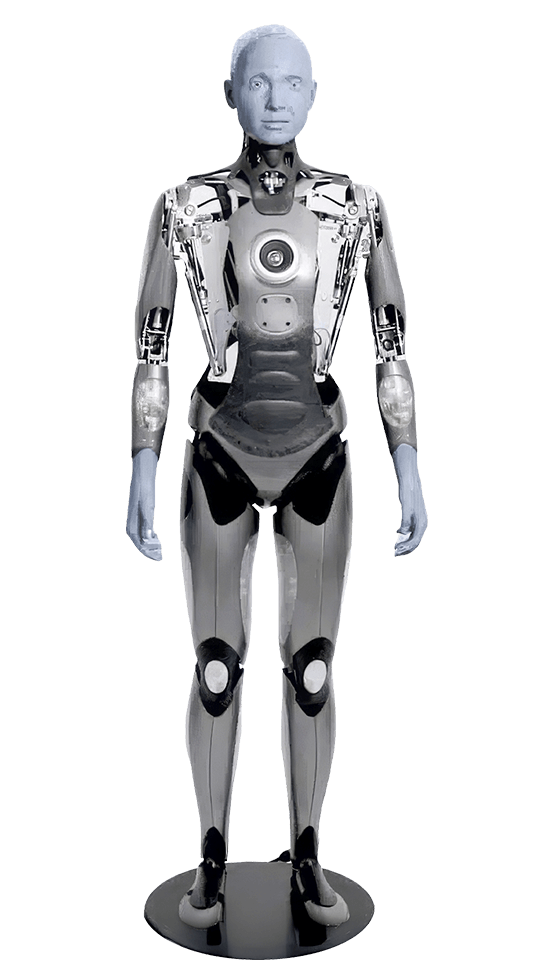
The world's most advanced lifelike humanoid robot, designed as a platform for AI development and human-robot interaction with ultra-realistic facial expressions.

by
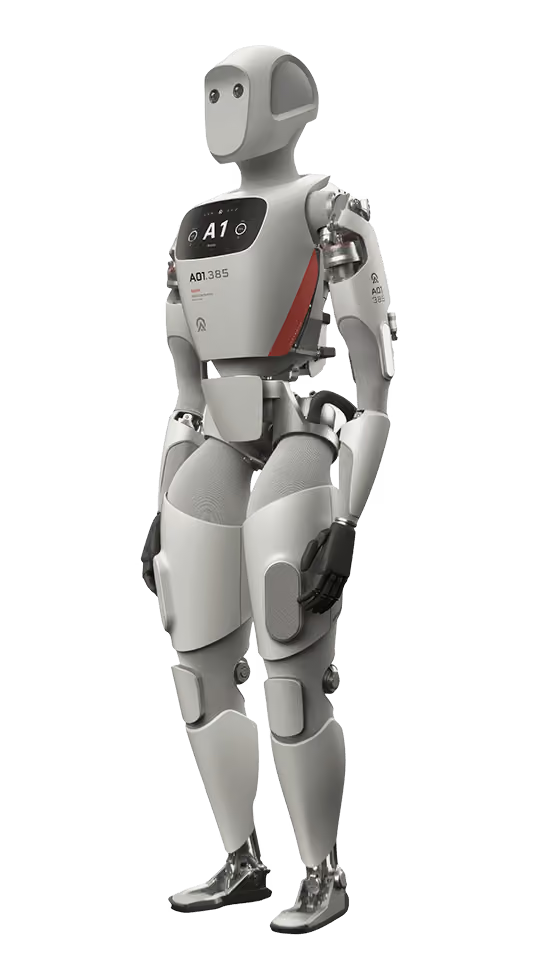
Apptronik
A next-generation humanoid robot designed for mass production, targeting logistics, manufacturing, and general-purpose tasks.

by
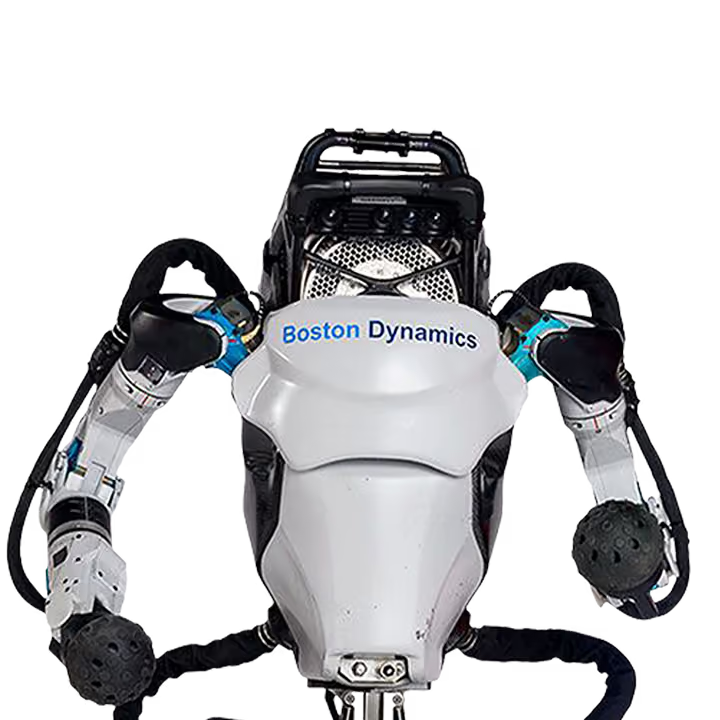
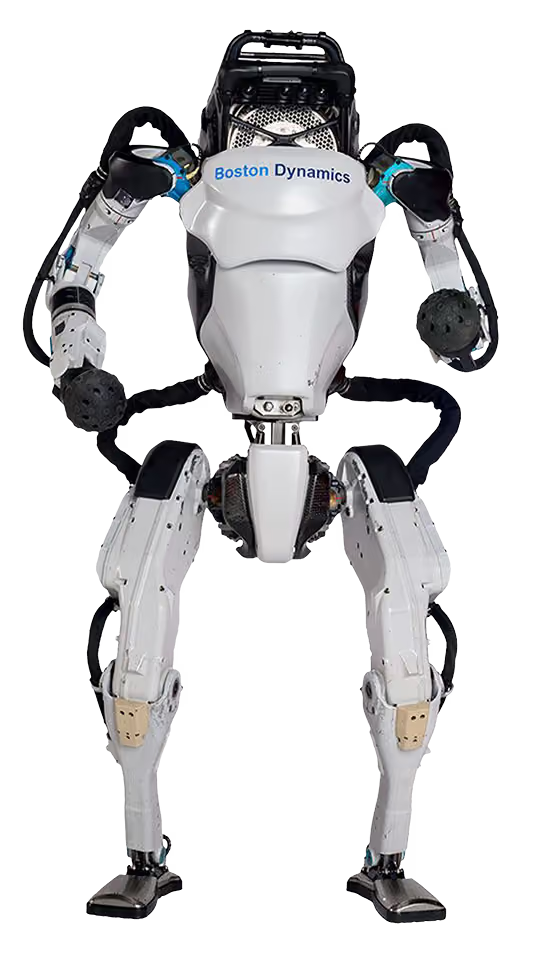
Boston Dynamics
A hydraulic research humanoid known for advanced dynamic locomotion, parkour, and complex manipulation.

by
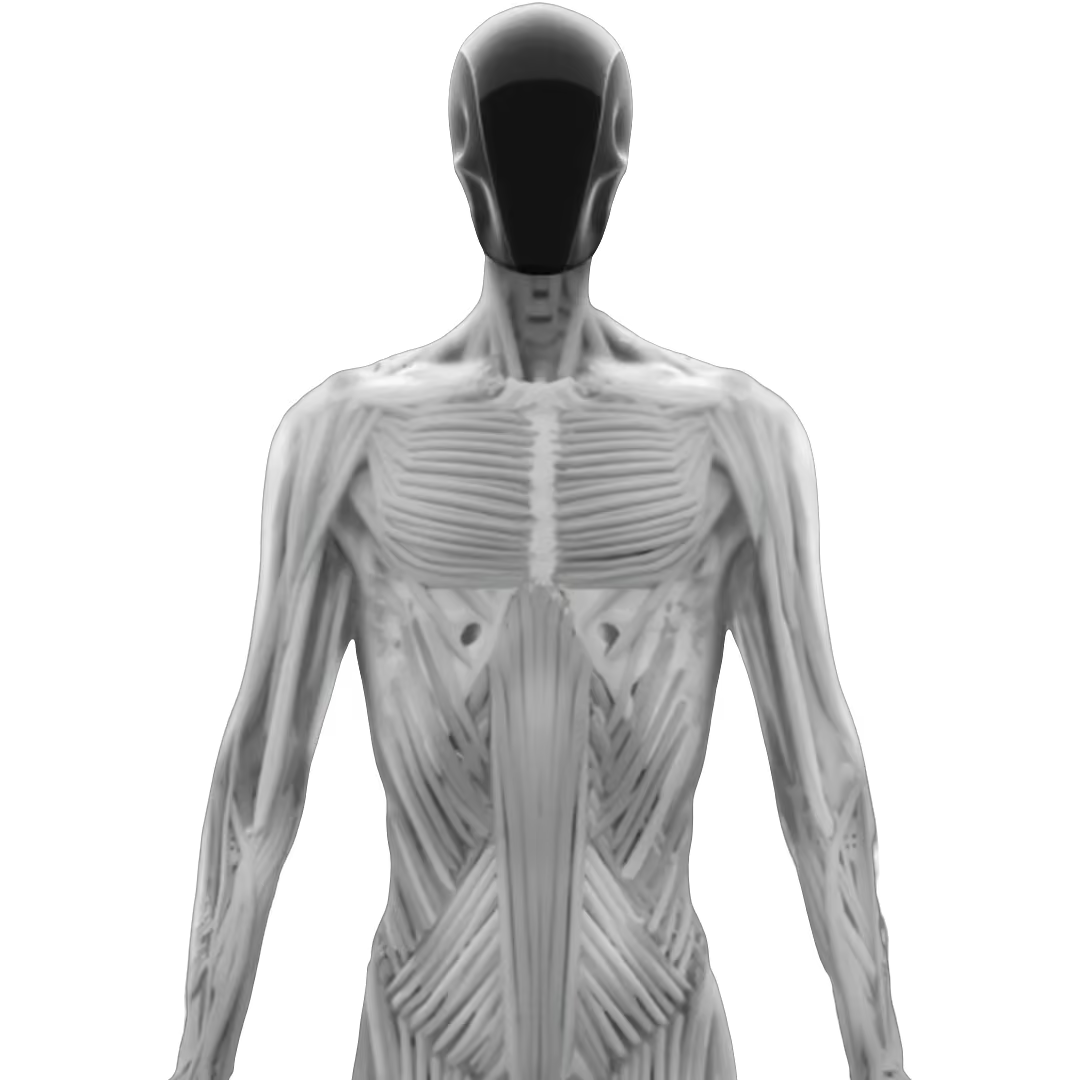
Clone Robotics
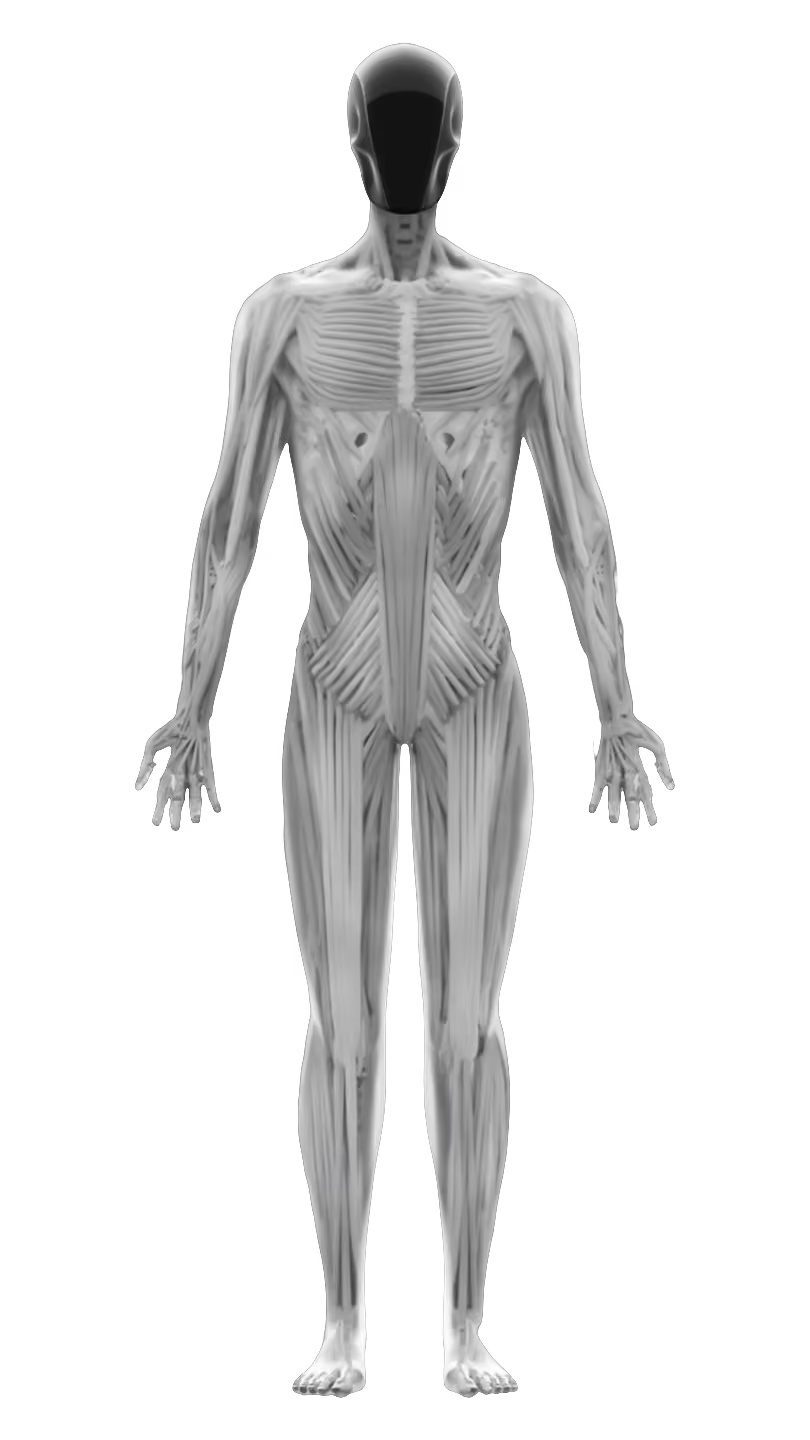
An android torso with a highly detailed, biomimetic musculoskeletal hand and arm system.

by
Xiaomi
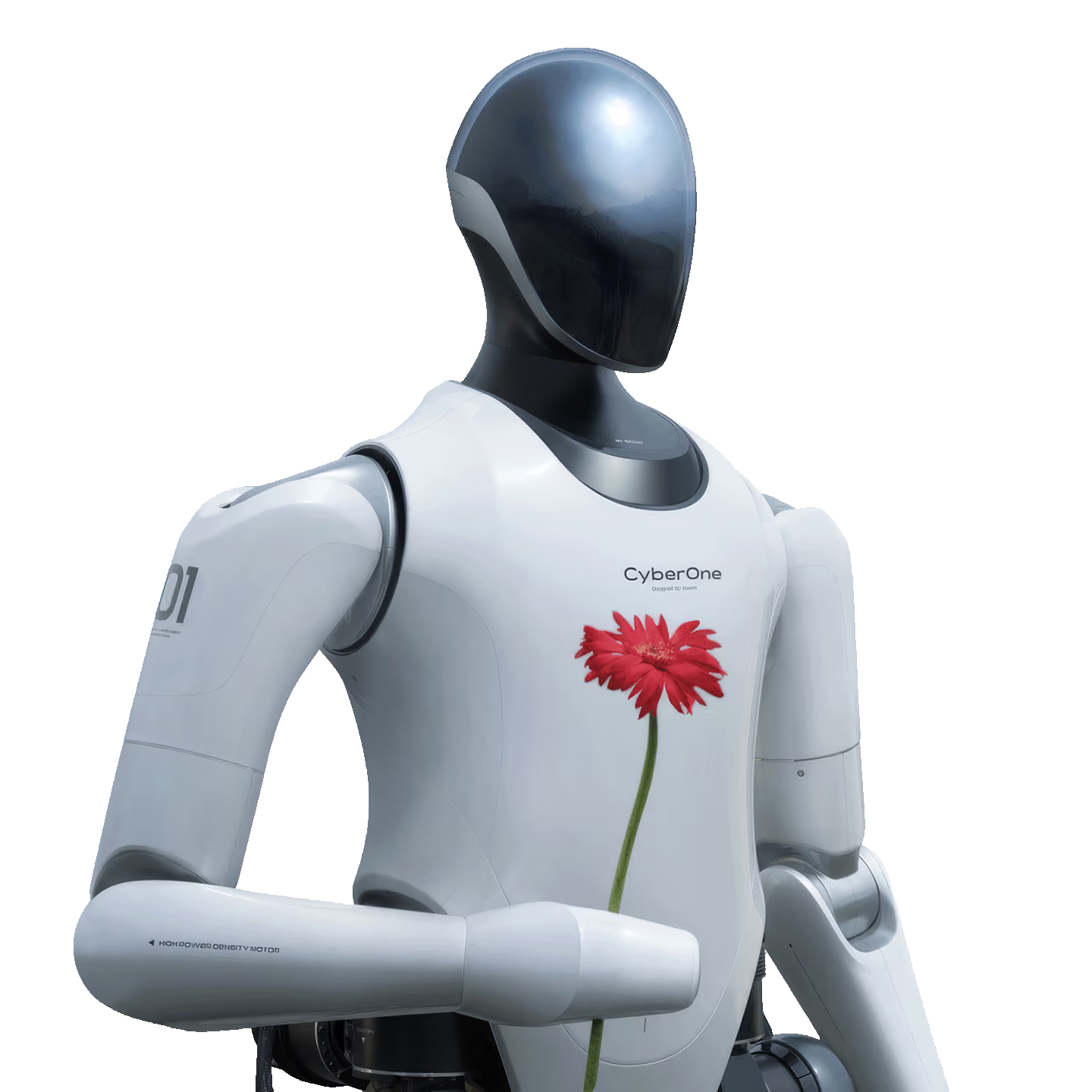
A full-sized bipedal humanoid robot capable of perceiving 3D space, recognizing human emotions, and performing balance-intensive tasks.

by
Agility Robotics
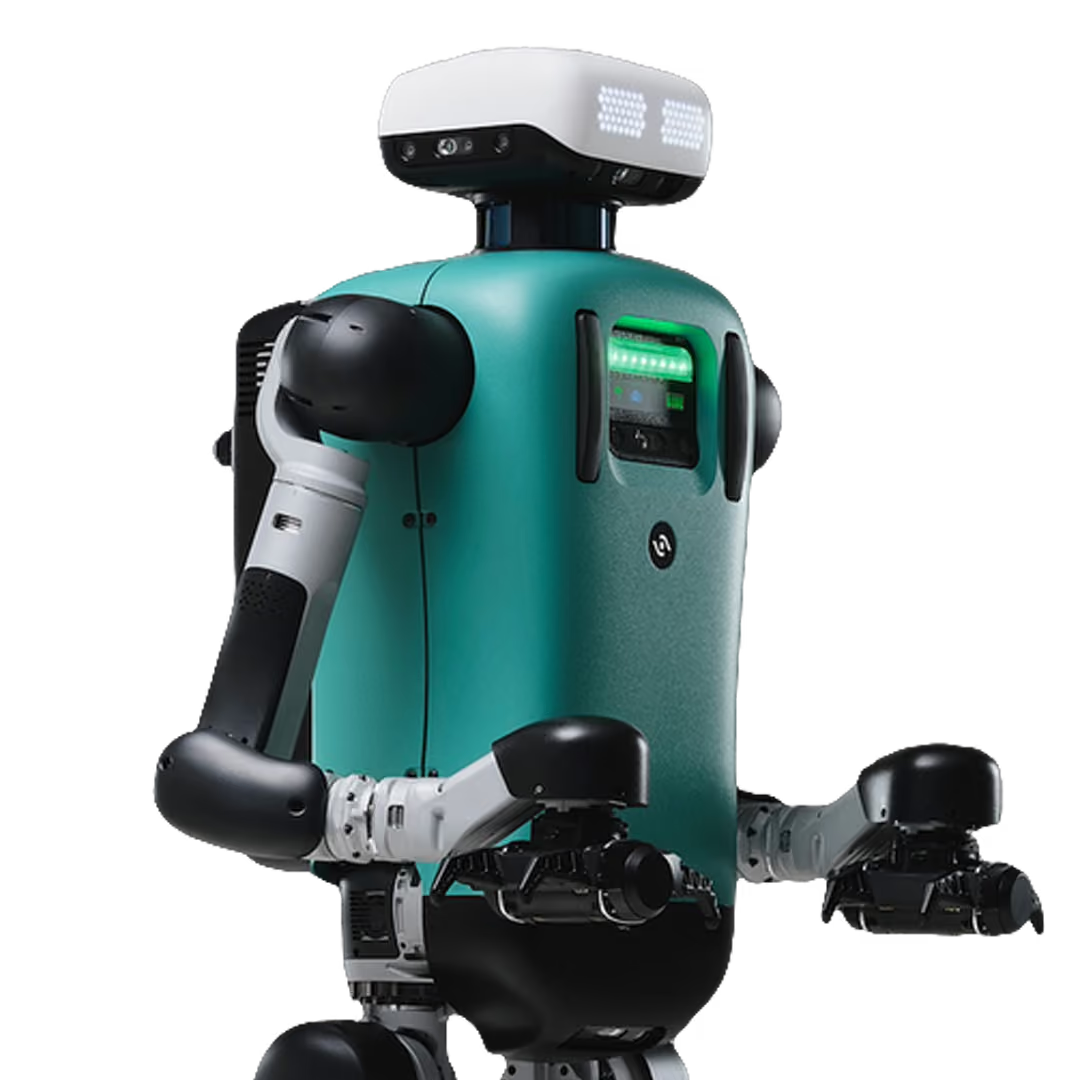
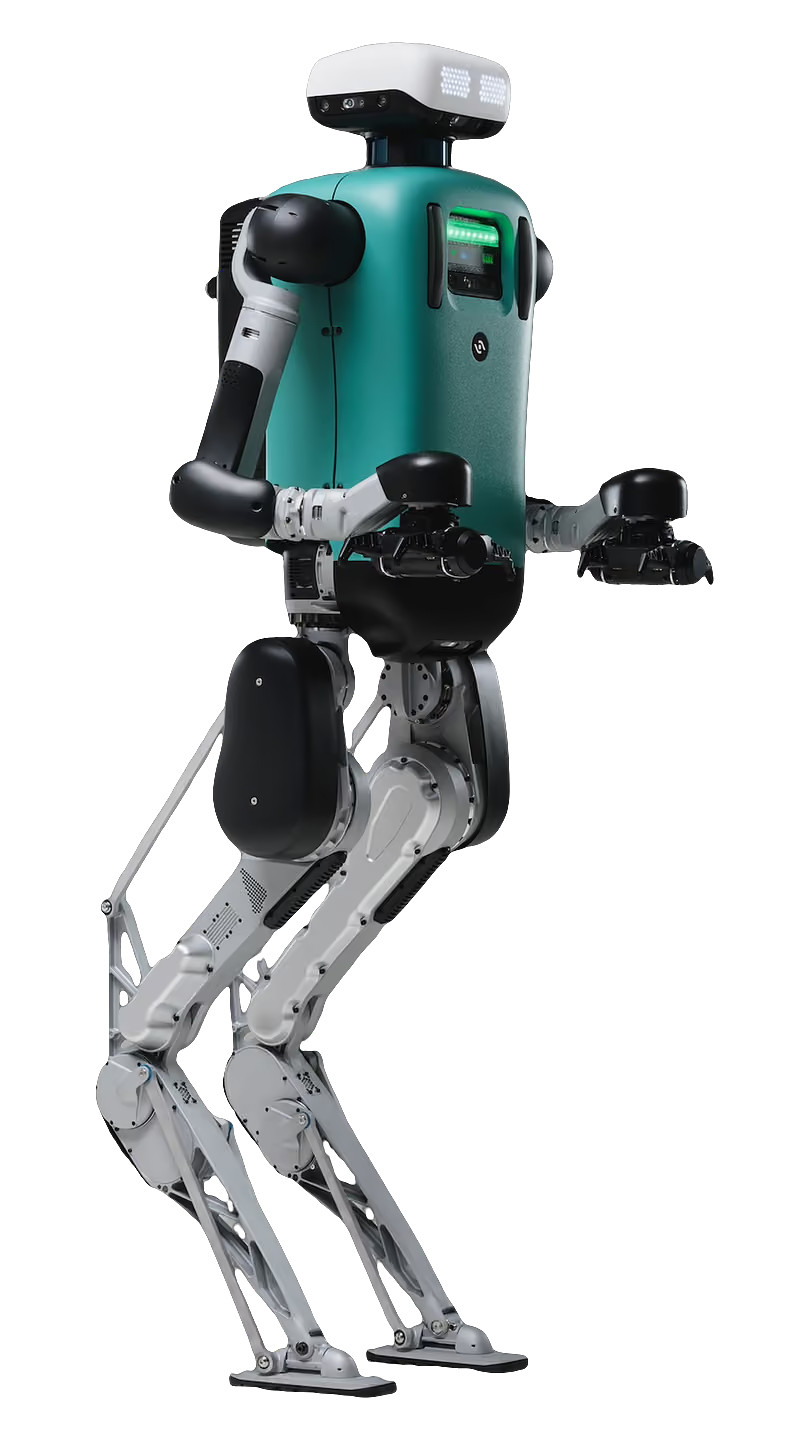
Digit is a humanoid robot specifically designed to perform human-like movements and operate in environments designed for the human body.

by
X-Humanoid
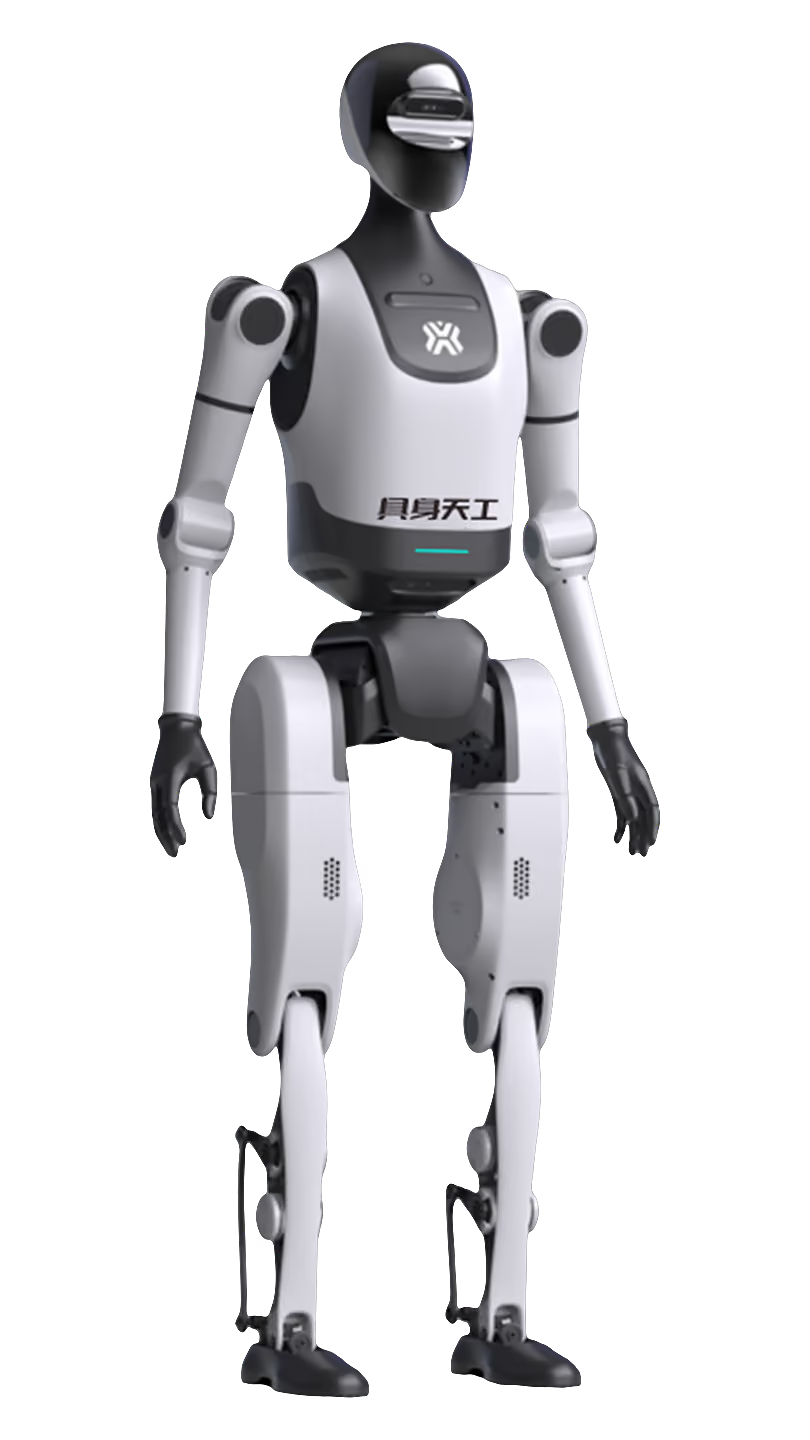
A full-size humanoid robot developed for general-purpose applications.

by
1X Technologies
A wheeled humanoid robot designed for general-purpose tasks and remote operation, deployed in security and logistics.

by
Figure Robotics
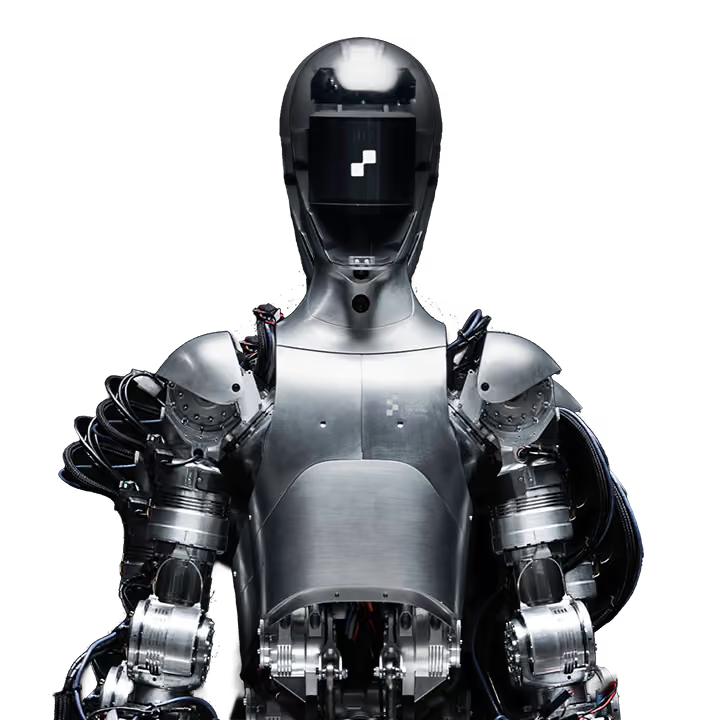
A general-purpose humanoid robot designed to autonomously perform a wide range of tasks in manufacturing and logistics.
by
Figure Robotics
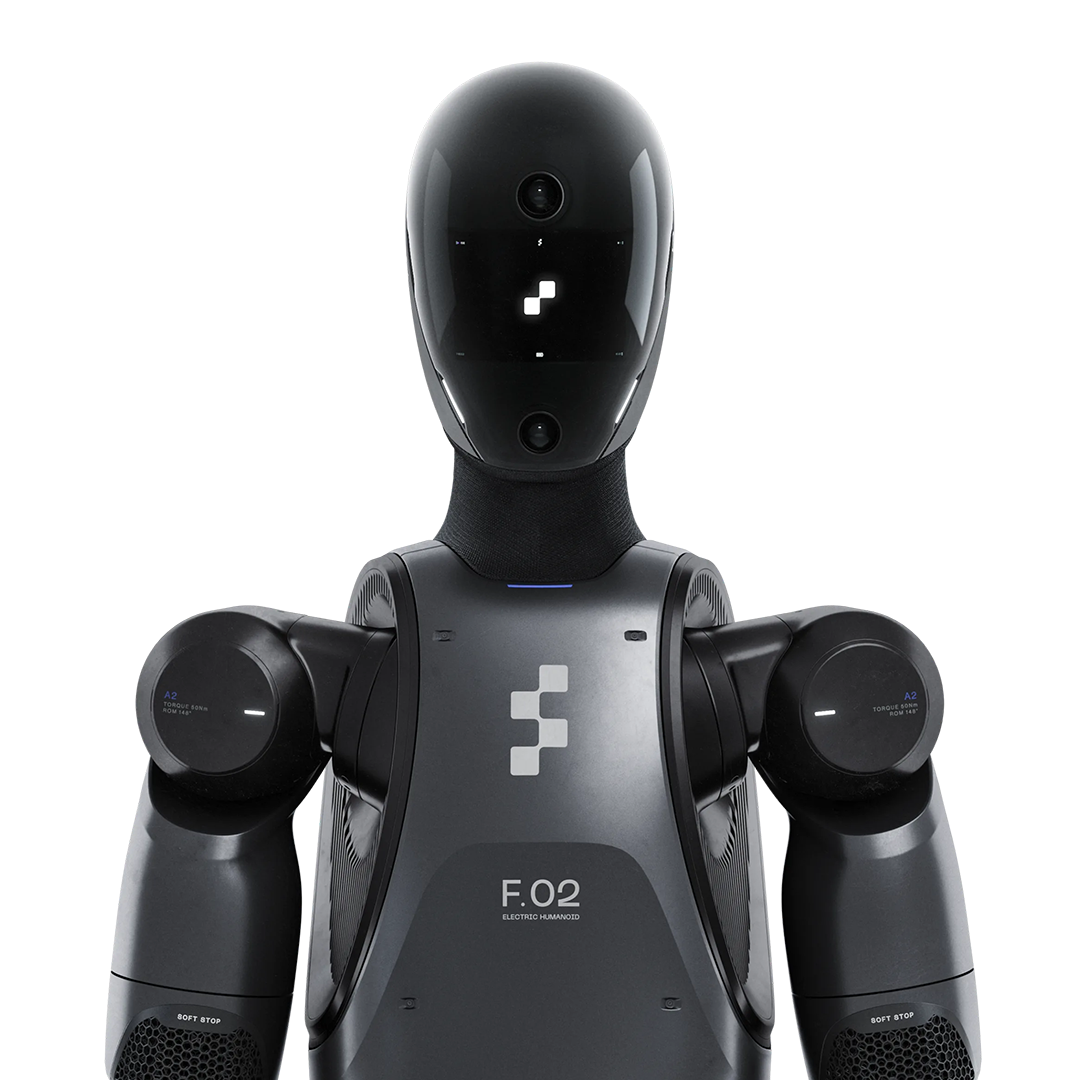
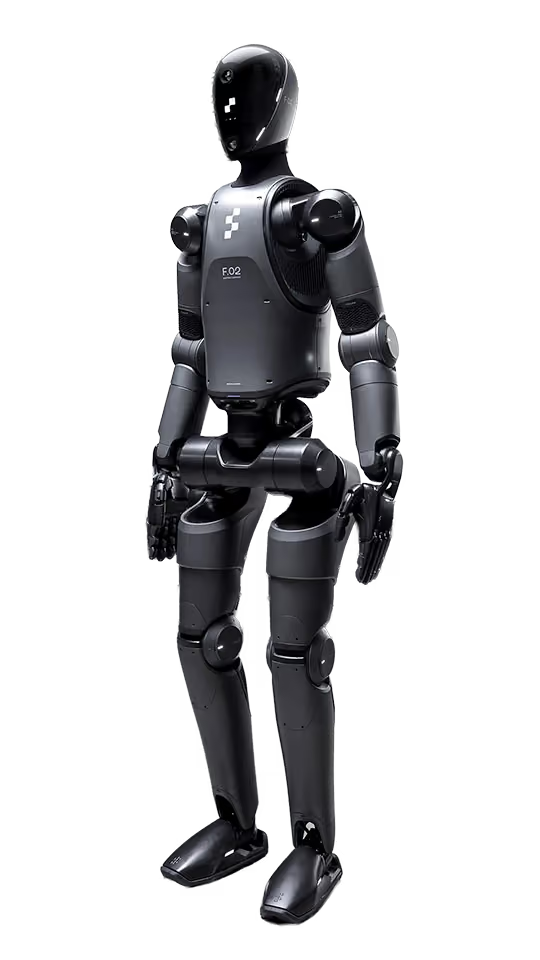
Figure 02 combines human dexterity with advanced AI to support manufacturing, logistics, warehousing, and retail.
by
Figure Robotics
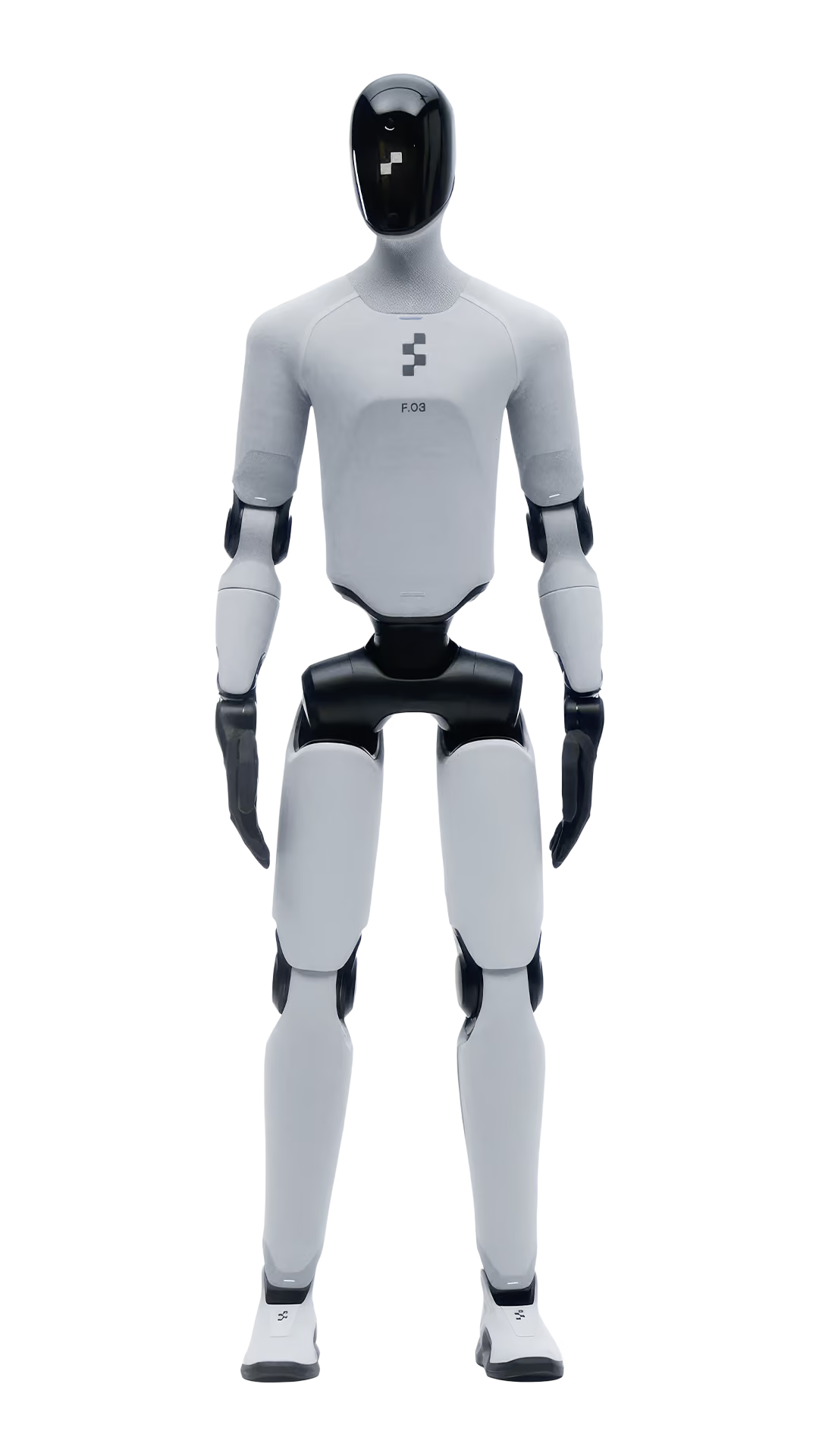
Figure 03 is a 3rd generation general-purpose humanoid robot designed to work autonomously in home and commercial environments, powered by Figure's 'Helix' vision-language-action AI.

by
Galbot
A full-sized, electric-powered bipedal humanoid robot focused on autonomous task execution.

by
Unitree Robotics
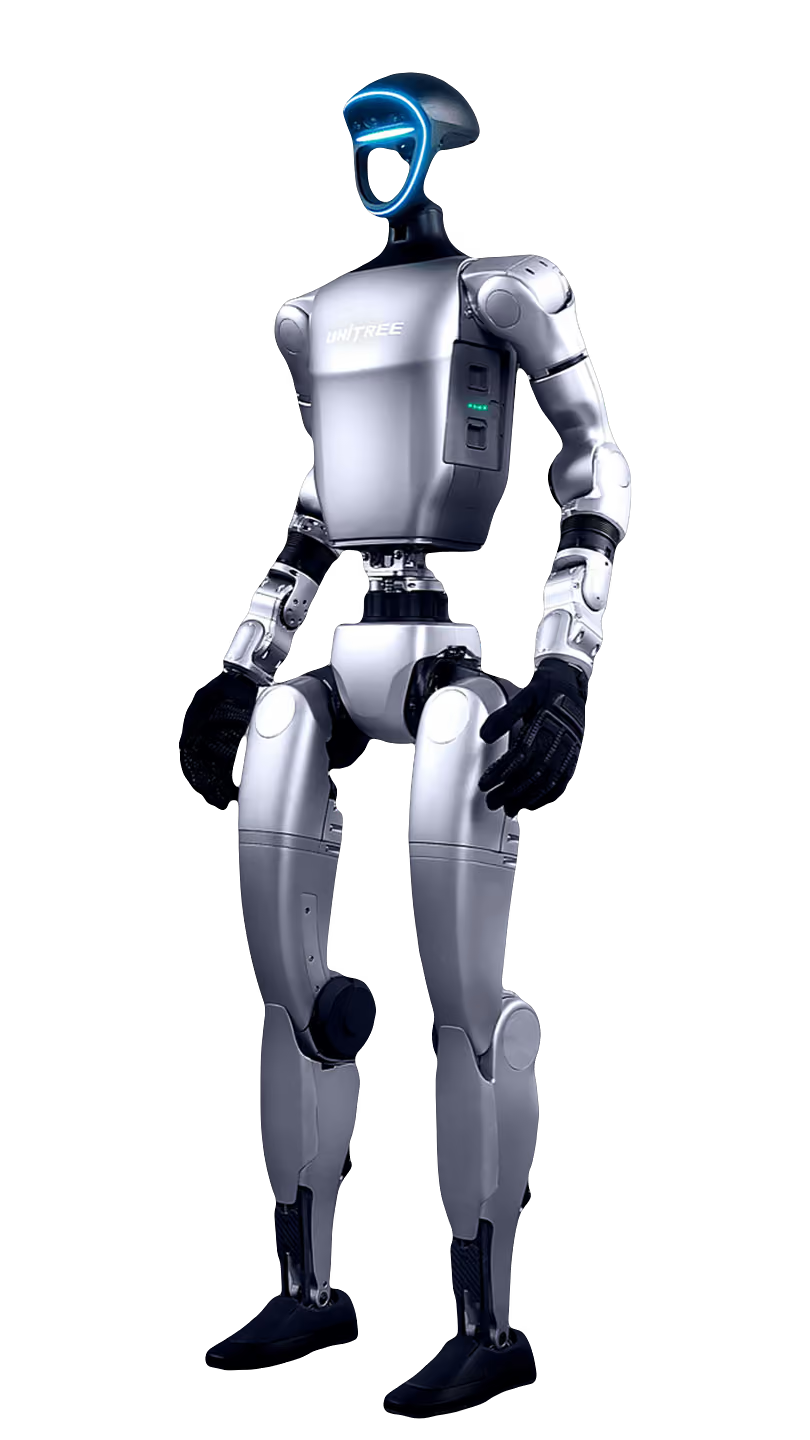
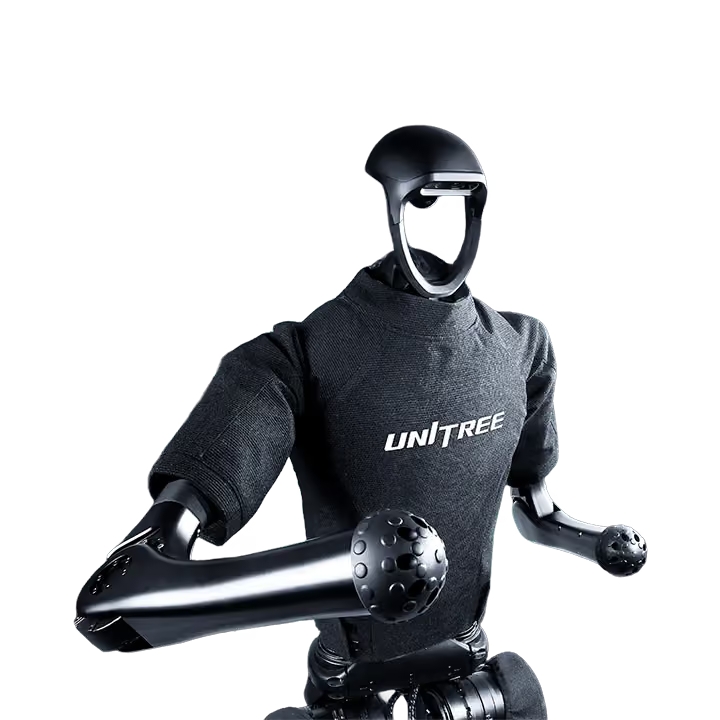
A general-purpose, full-size humanoid robot focused on affordability and high-performance locomotion.

by
Fourier Intelligence
A high-performance humanoid platform for developers, featuring 12-DoF dexterous hands and high-torque actuators for complex manipulation.
by
Unitree Robotics
A versatile and powerful full-sized humanoid robot known for its high-speed walking and advanced power performance in its class.

by
University of Tokyo
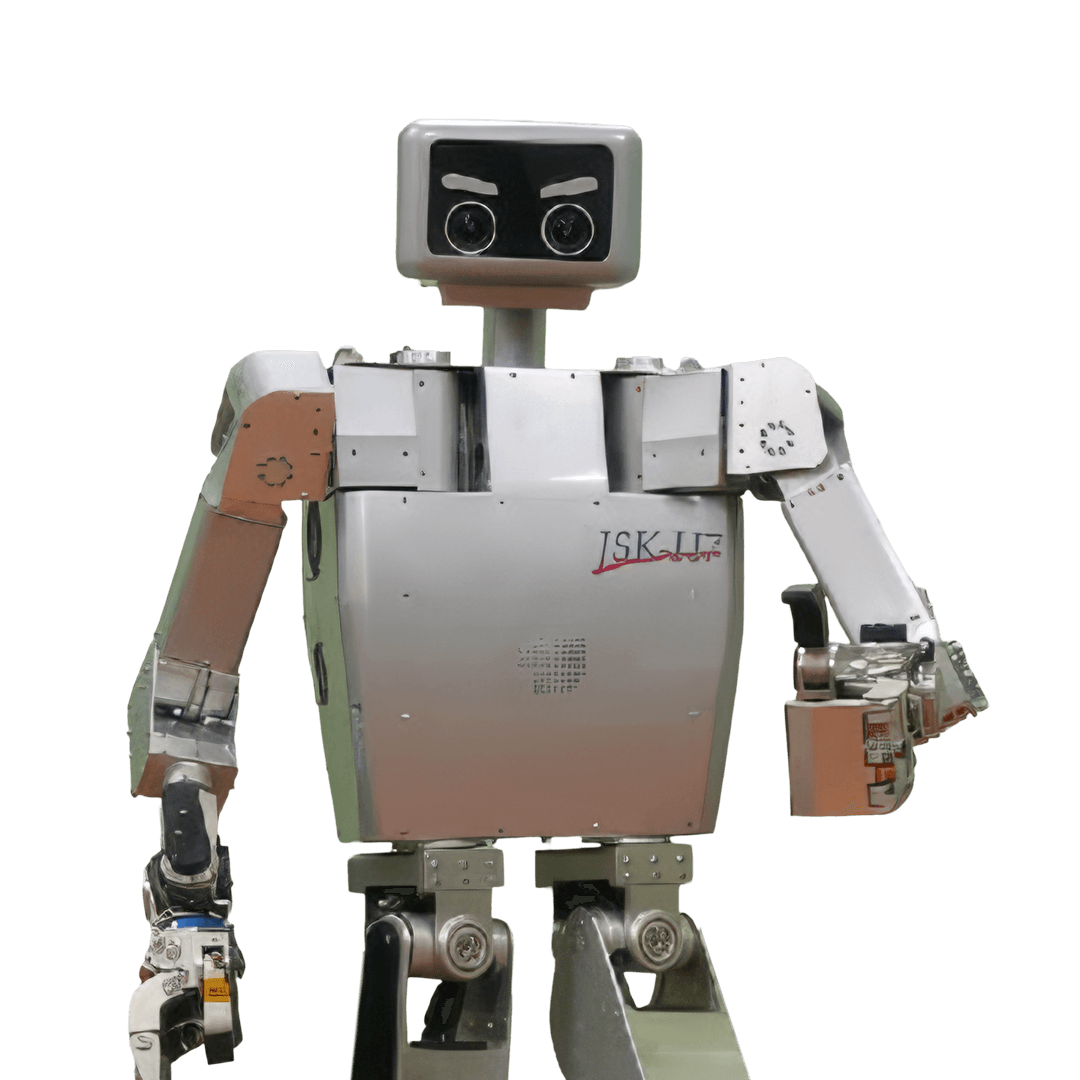
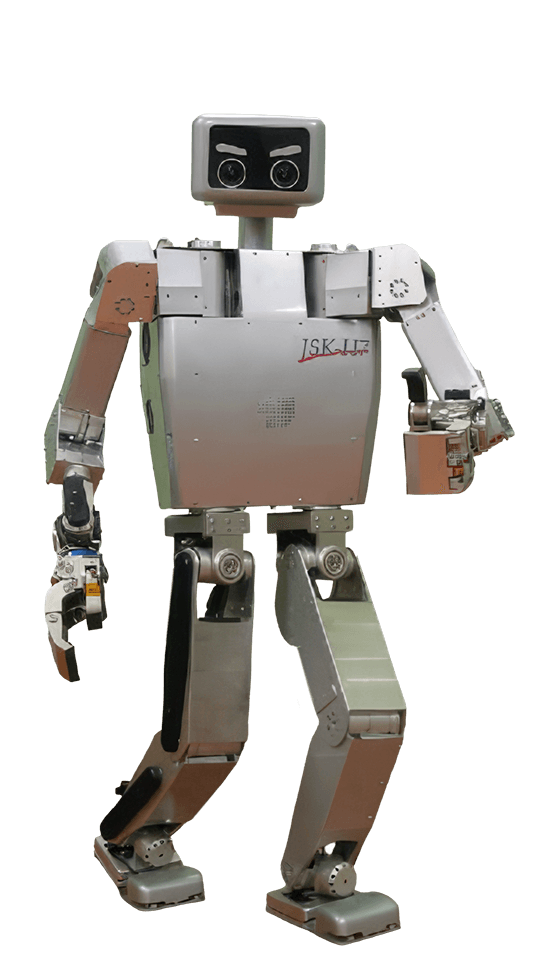
A successor to H6, this is a full-body, lightweight humanoid for research in real-world, dynamic interaction.

by
XPeng
An in-development bipedal humanoid robot designed for autonomous tasks within XPeng's manufacturing facilities.

by
ROBOTERA
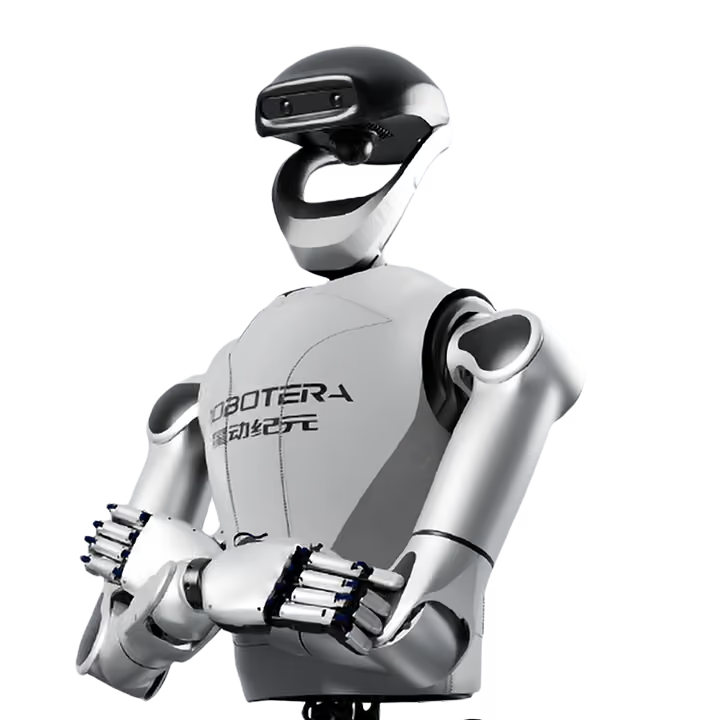
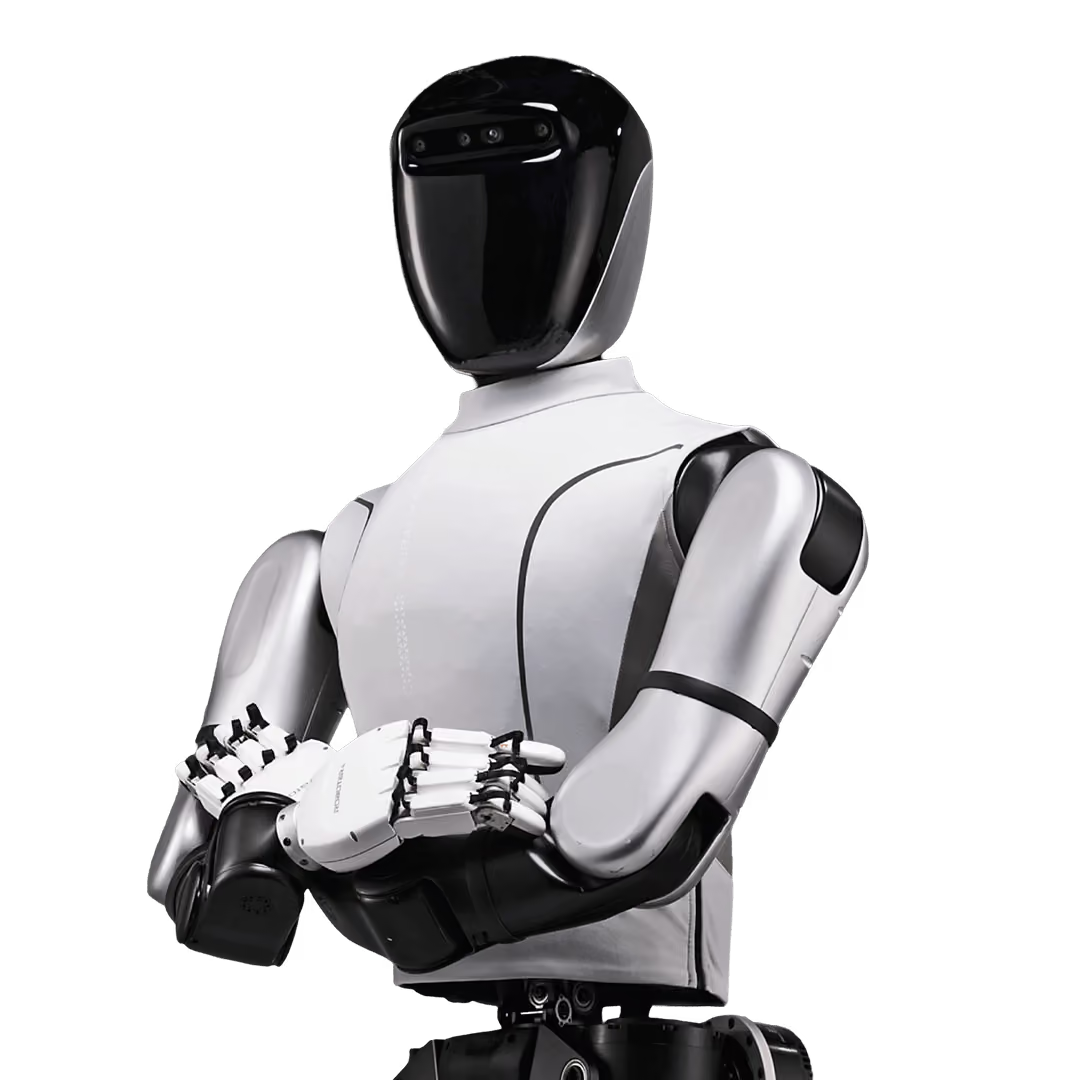
A full-size bipedal humanoid with 55 DoF and 4 m/s running speed, built for industrial automation and dynamic performance.

by
Softbank Robotics
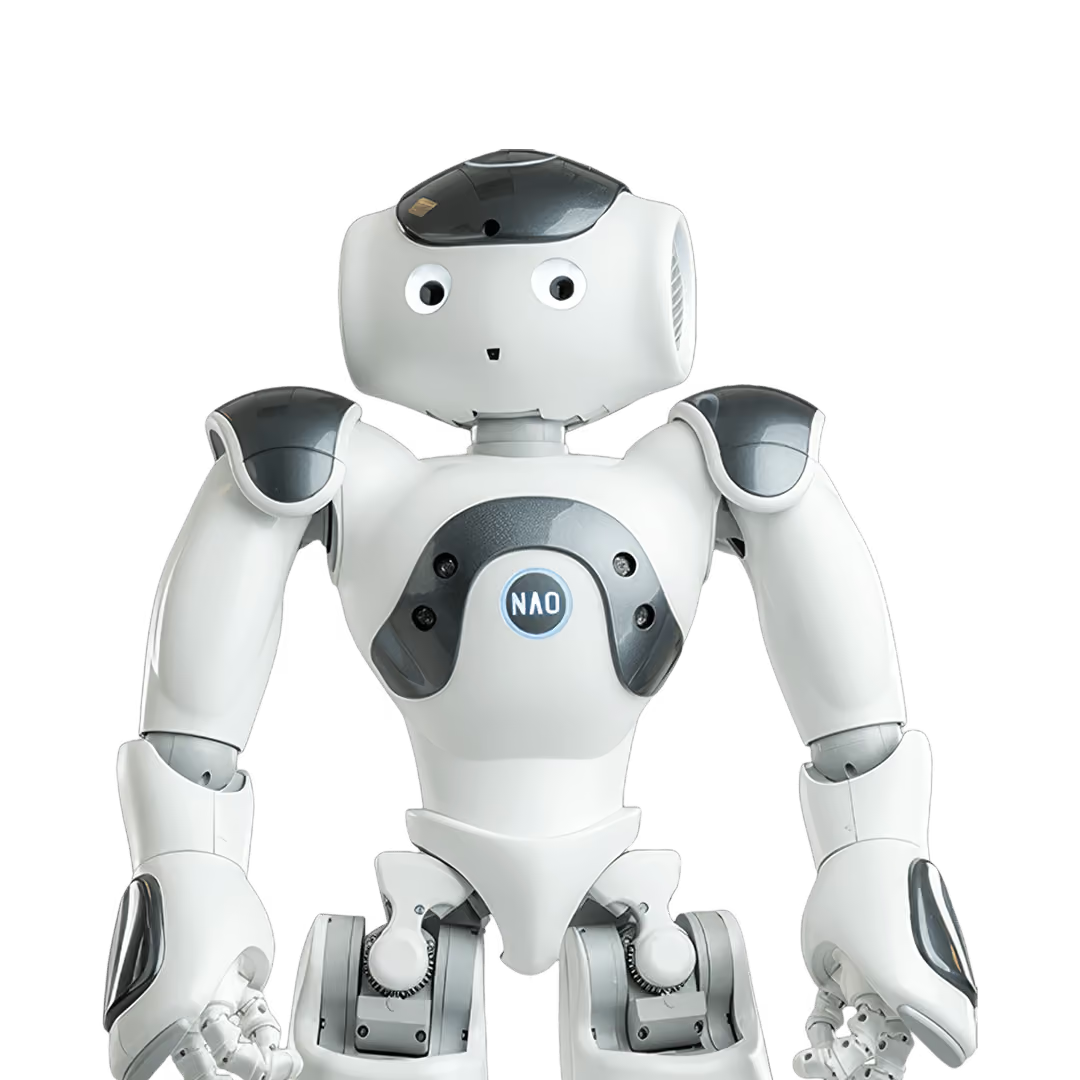
A small, interactive, and programmable humanoid robot widely used in education, research, and healthcare.

by
Maxtronics
A small, interactive, and programmable humanoid robot widely used in education, research, and healthcare.
by
1X Technologies
Neo combines human dexterity with advanced AI to support manufacturing, logistics, warehousing, and retail.
by
1X Technologies
A prototype home humanoid designed for safe interaction in domestic environments, focusing on natural movement and task learning.
by
1X Technologies
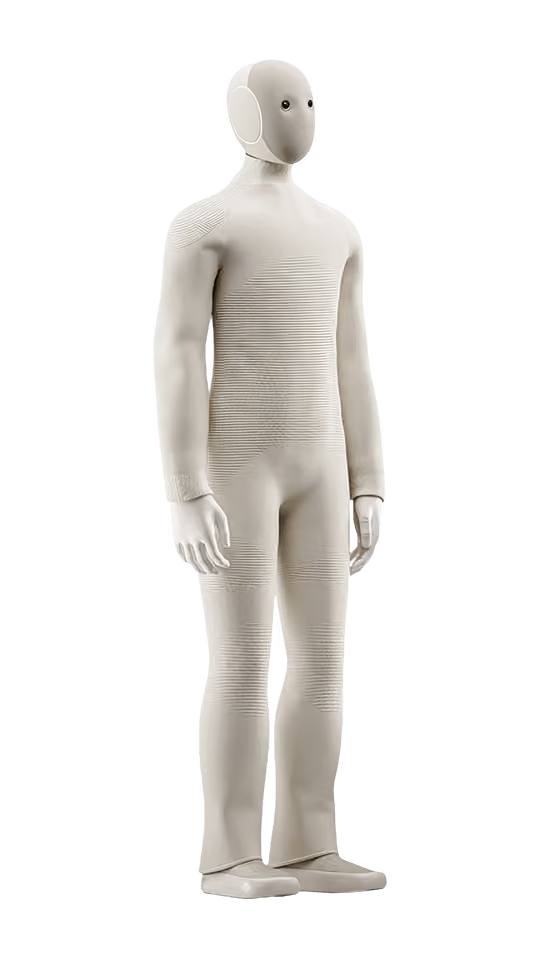
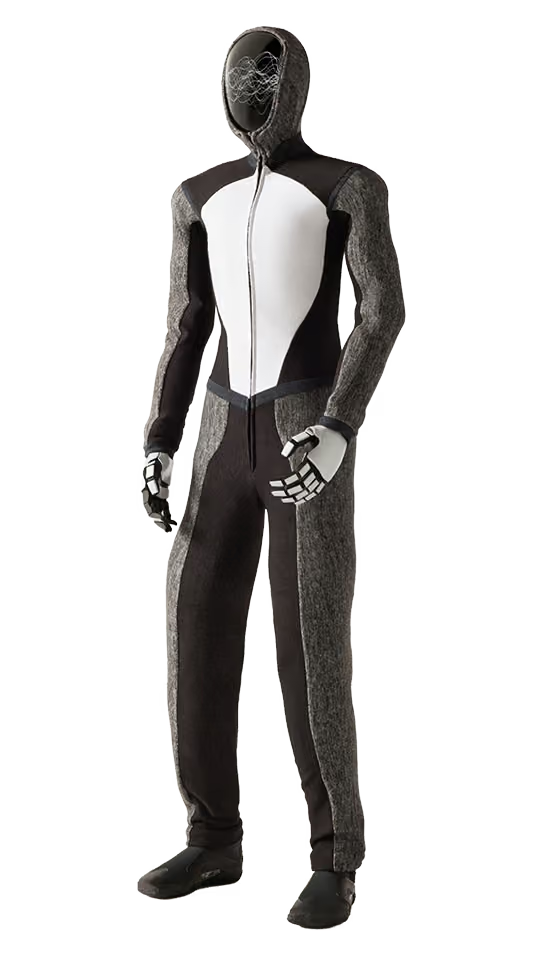
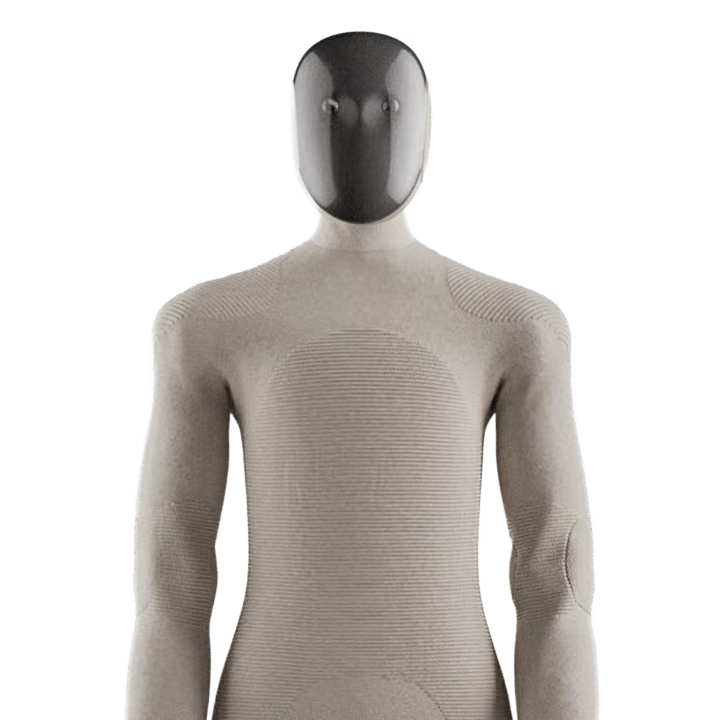
The next-generation domestic humanoid featuring a muscle-like soft body design and advanced visual manipulation for household tasks.

by
Stanford Robotics Lab
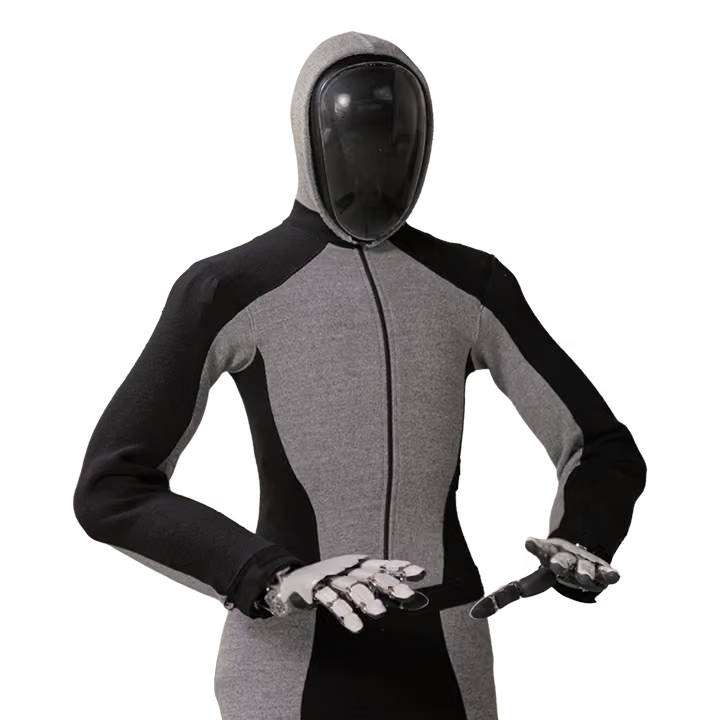
A "humanoid diver" robot designed for underwater exploration and teleoperated manipulation in deep-sea environments.

by
Tesla
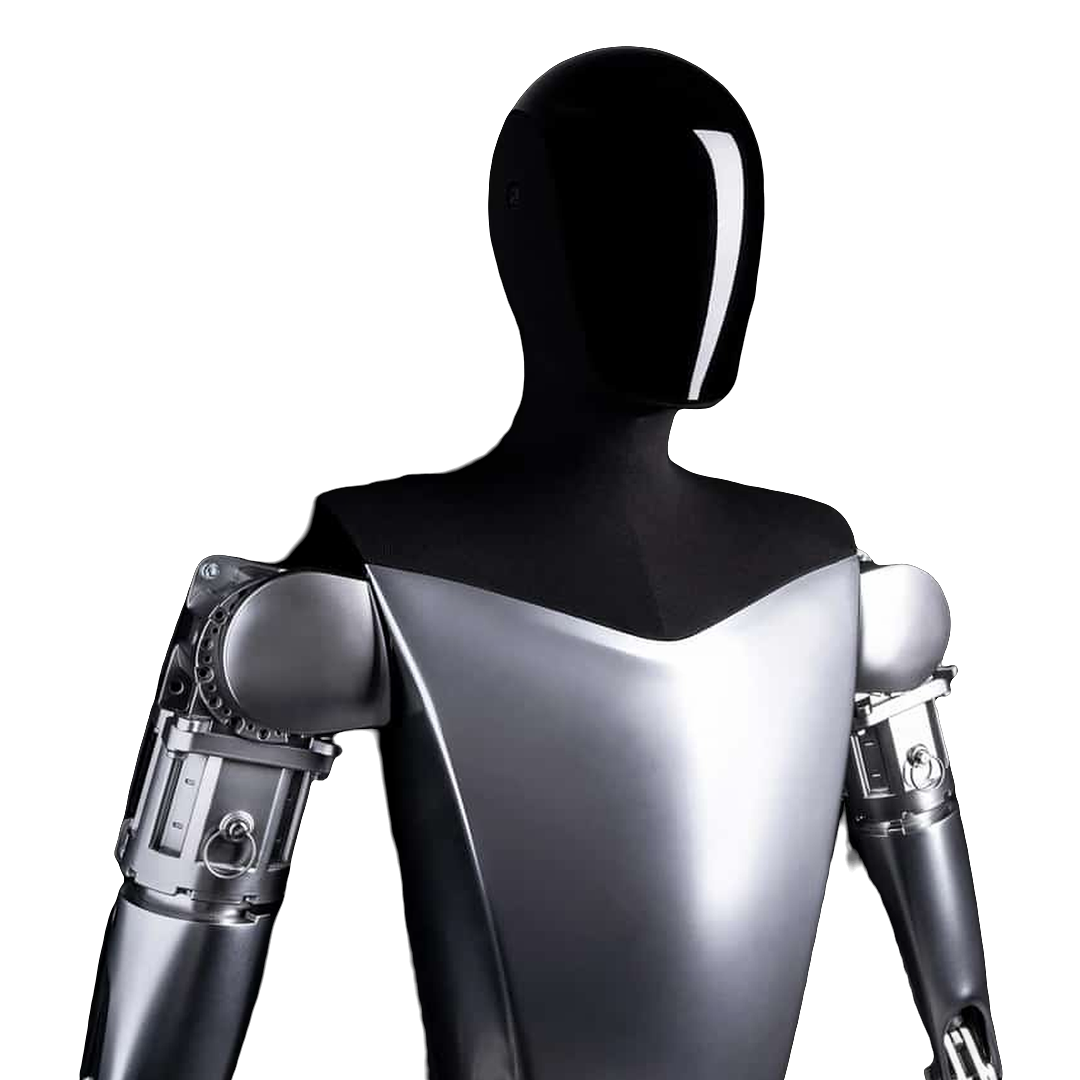
Tesla Bot (Optimus) is a humanoid developed by Tesla, designed to handle repetitive or dangerous tasks. Tesla envisions playing a major role in future labor automation.
by
Tesla
Designed for high-risk and repetitive roles, Tesla’s Optimus bot aims to redefine the global workforce through advanced humanoid robotics.
by
Softbank Robotics
A human-sized, wheeled robot designed for social interaction, widely used in retail and hospitality.

by
Sanctuary AI
A general-purpose, carbon-fiber humanoid robot designed for autonomous work, powered by the 'Carbon' AI control system.

by
EngineAI
An advanced, full-size humanoid robot designed for general-purpose tasks and AI integration.

by
Hanson Robotics
Sophia is a well-known social humanoid robot and AI platform, famous for its human-like appearance and conversational abilities. Sophia 2020 robotics platform is available for research, academic, and B2B applications.

by
Waseda University
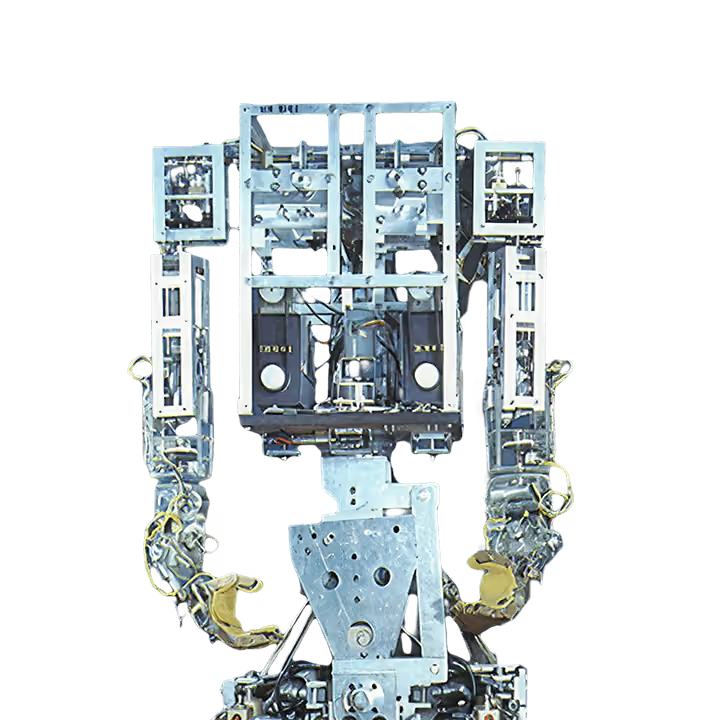
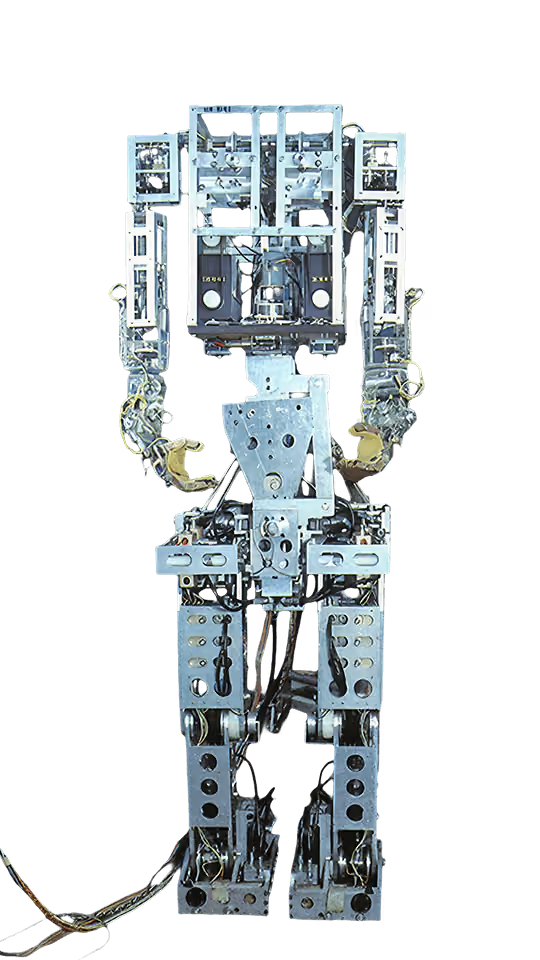
Developed in 1973, it was the world's first full-scale anthropomorphic robot, able to walk and communicate.
by
Waseda University
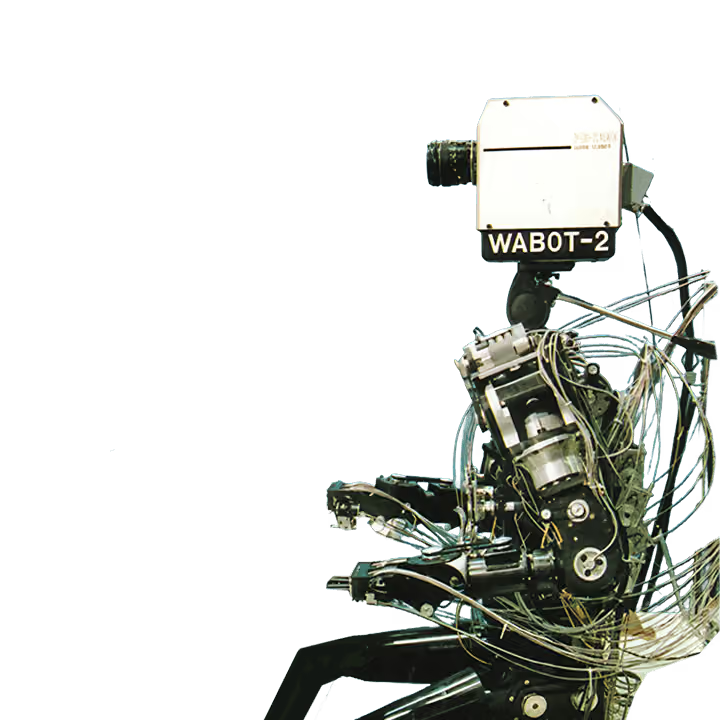
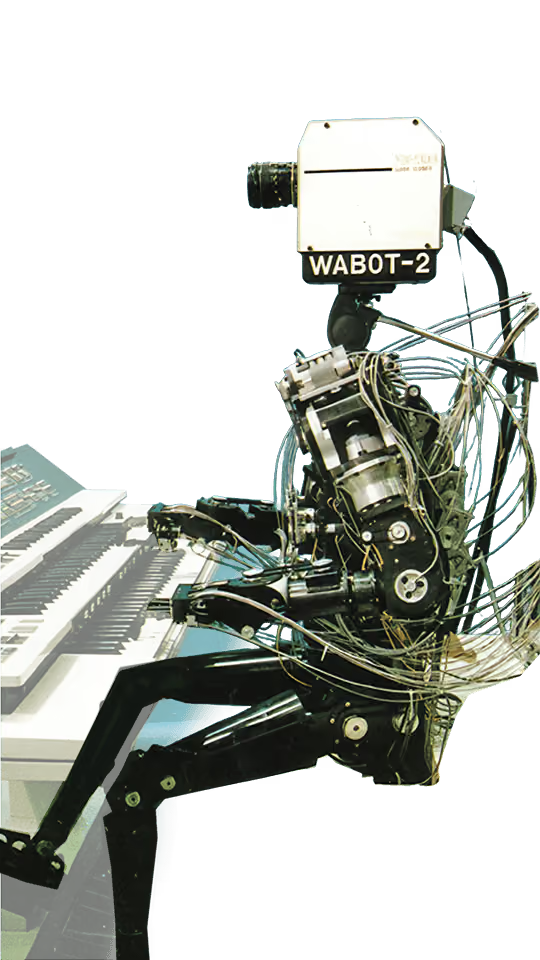
An anthropomorphic robot developed in the 1980s, specializing in playing musical instruments.

by
UBTECH Robotics
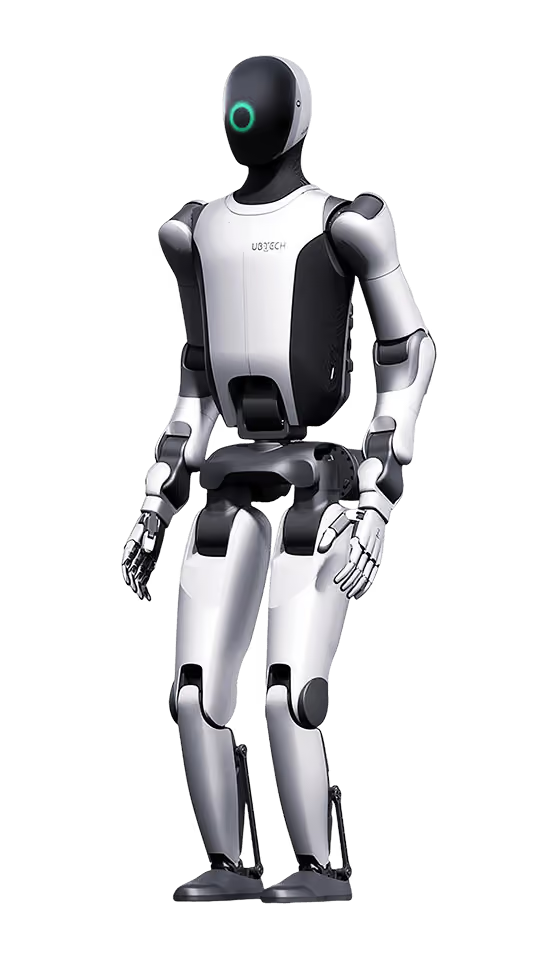
A full-sized bipedal humanoid robot designed for service and assistance in home and commercial settings.
by
UBTECH Robotics
An upgraded, industrial-focused version of Walker, designed for tasks in manufacturing and logistics.