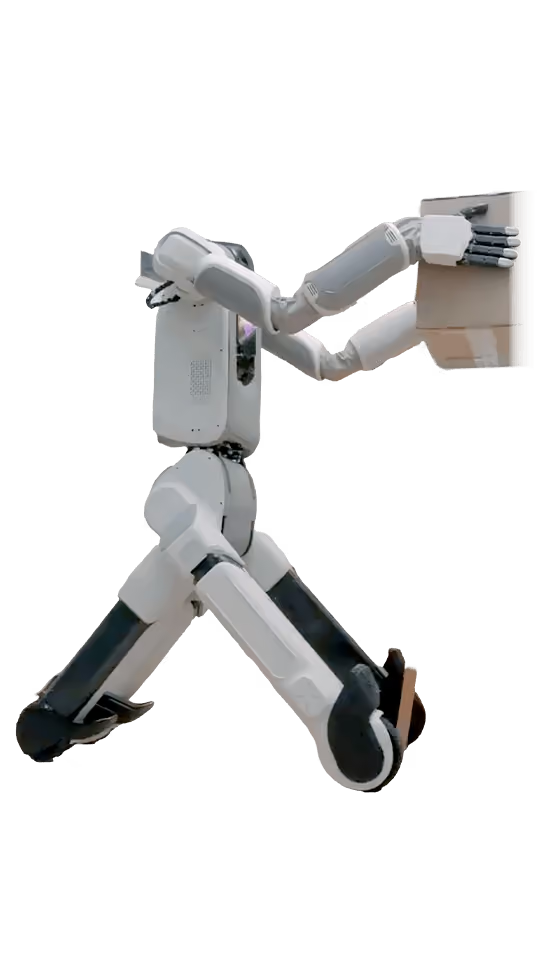
Image:
Softbank Robotics
A small, interactive, and programmable humanoid robot widely used in education, research, and healthcare.

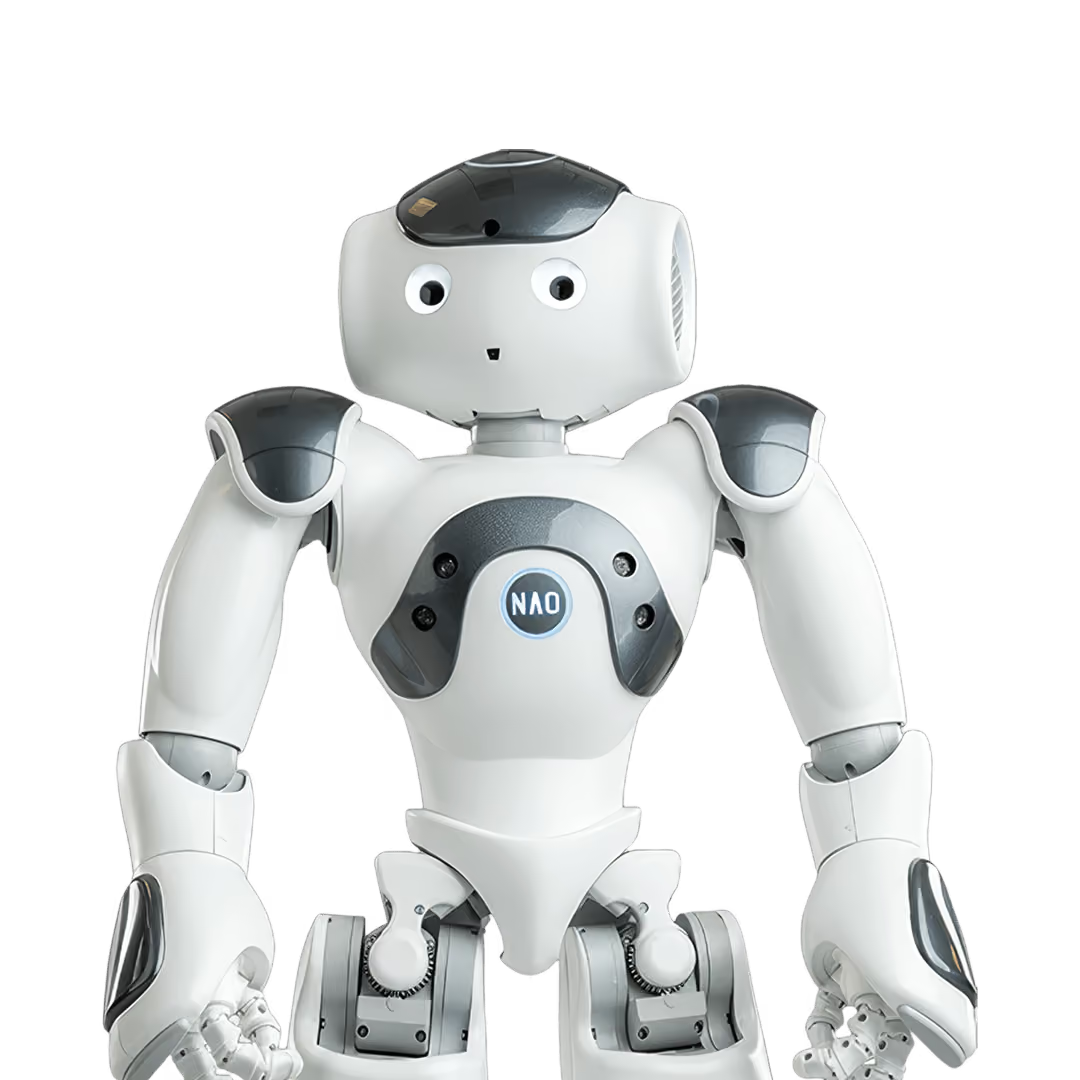
NAOqi OS

Height
58
cm

Weight
5.5
kg

Speed
0.3
m/s

Payload
N/A

Actuators
Coreless DC Motor

DoF (Domains of freedom)
25
°

The iconic ambassador for social robotics and interactive human engagement.
Features LED eyes and speech synthesis for friendly, approachable communication.
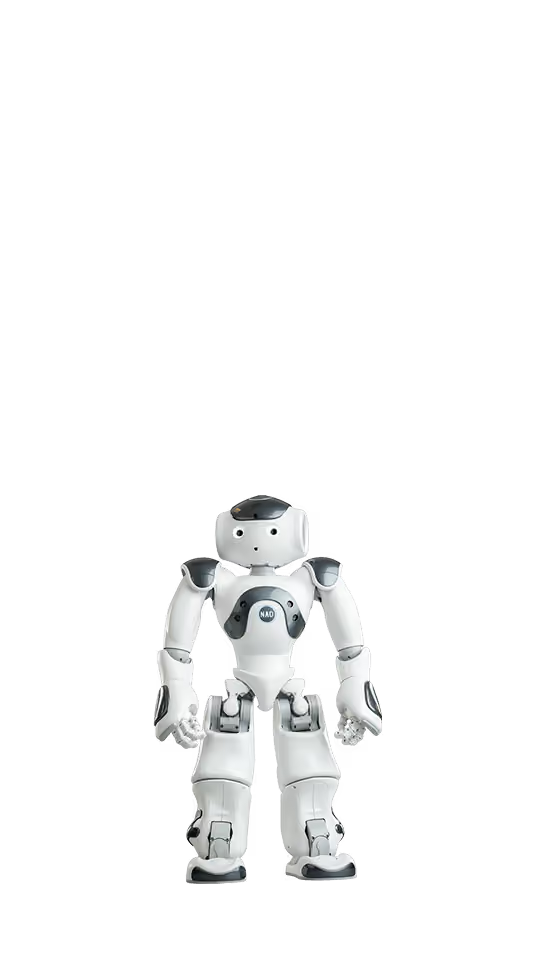
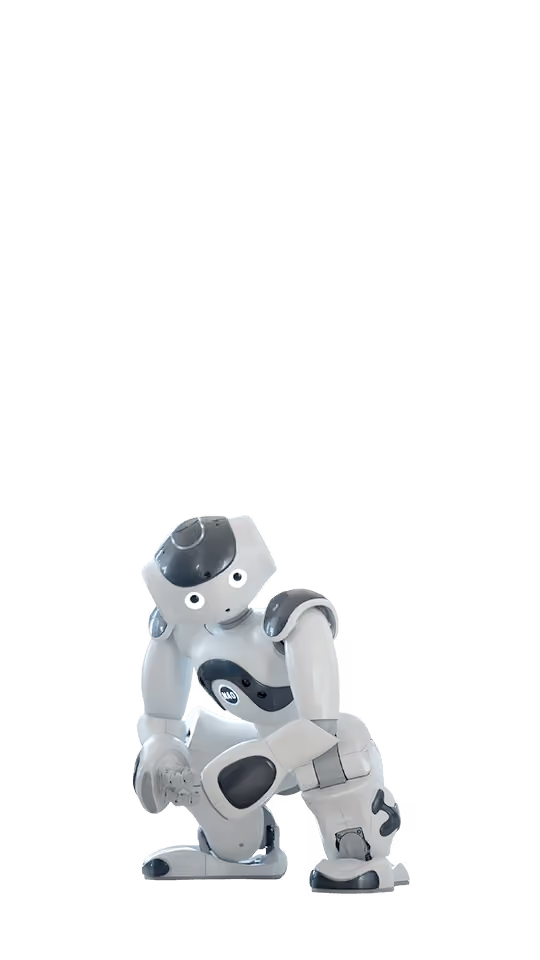
The leading platform worldwide for STEM education and research learning.
Equipped with dual cameras and four microphones for spatial environment sensing.

A small, interactive, and programmable humanoid robot widely used in education, research, and healthcare.
Nao is a compact, 58 cm tall humanoid that has become the benchmark for robotics education and clinical research. With 25 degrees of freedom and a wide array of sensors (cameras, microphones, sonar), it is highly programmable and robust. Its small form factor and engaging personality make it ideal for teaching AI, studying autism therapy, and competing in international RoboCup competitions.
Image:
Softbank Robotics
The global benchmark for emotional AI, utilizing 25 degrees of freedom and multi-modal sensing to foster inclusive learning and therapeutic connections through natural, judgment-free interaction.
NAO by Softbank Robotics
Actuators
Coreless DC Motor
DoF (Domains of freedom)
25
°
Height
58
cm
Speed
0.3
m/s
Weight
5.5
kg
Payload
N/A
kg

Runtime
1.5
h

OS / AI System
NAOqi OS
Runs on NAOqi, a multi-platform robotics OS that manages vision, speech, and motion, allowing for easy programming of educational and therapeutic applications.
Integrates sonar, dual-cameras, and tactile sensors, providing a robust and safe platform for studying human-robot interaction and pediatric therapy.
Image:
Softbank Robotics
Maintained by the new entity NAO Robotics SA with RobotLAB as the primary global partner (6,500+ units deployed in North America).
Educational institutions, universities, clinical research centers for autism therapy, and retail businesses for social interaction.
Successive hardware versions from V1 to V6 have gradually replaced older CPUs with modern ARM-based processors and upgraded to 2x 5MP cameras. These updates enable real-time object recognition and more natural speech interaction that early NAO models could not support.
A friendly form with eyes and gestures for approachable interaction.
Uses vision, audio, and sensors to perceive people.
Speaks, listens, and gestures to engage students.


by
Maxtronics
A small, interactive, and programmable humanoid robot widely used in education, research, and healthcare.

by
Tokyo Robotics
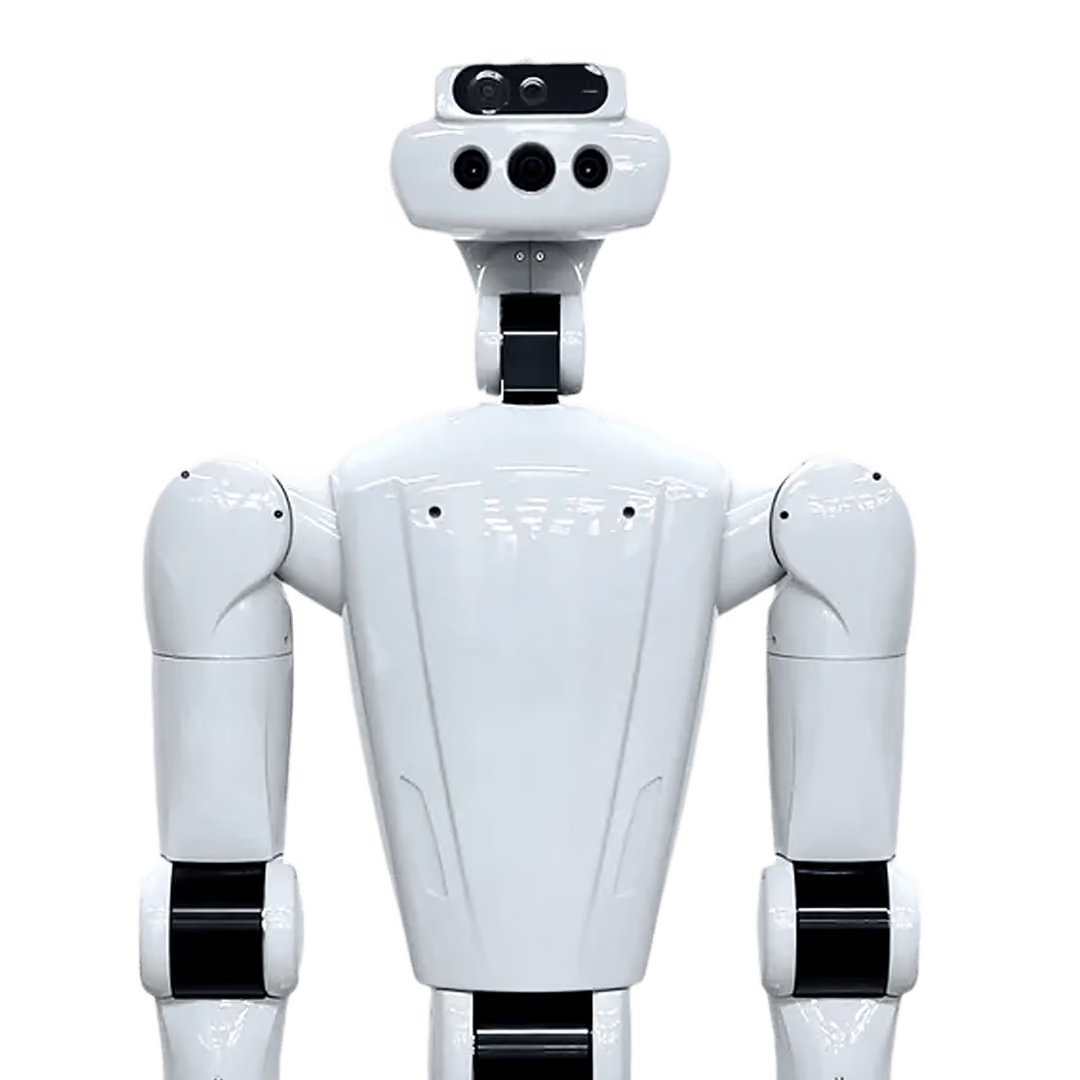
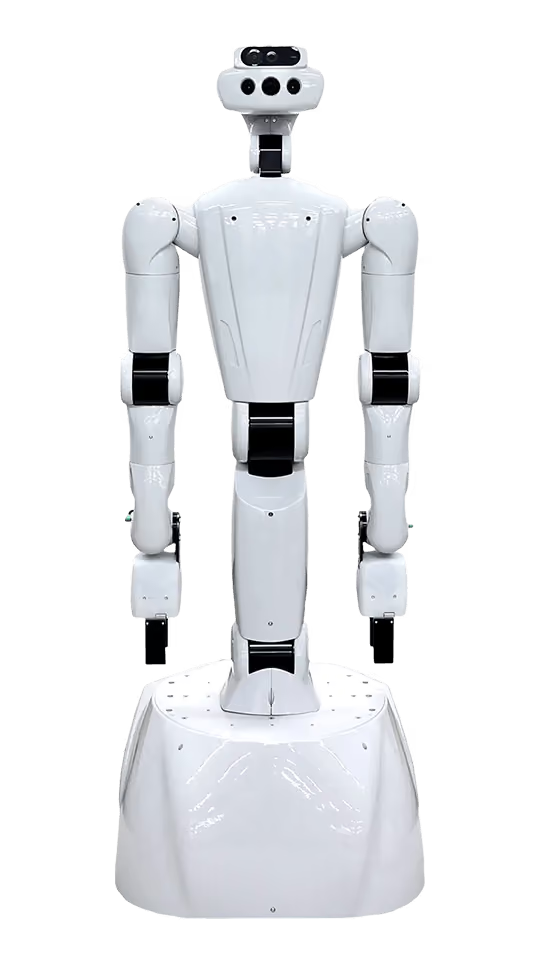
A torque-controlled humanoid robot designed as a research platform for advanced manipulation and HRI.

by
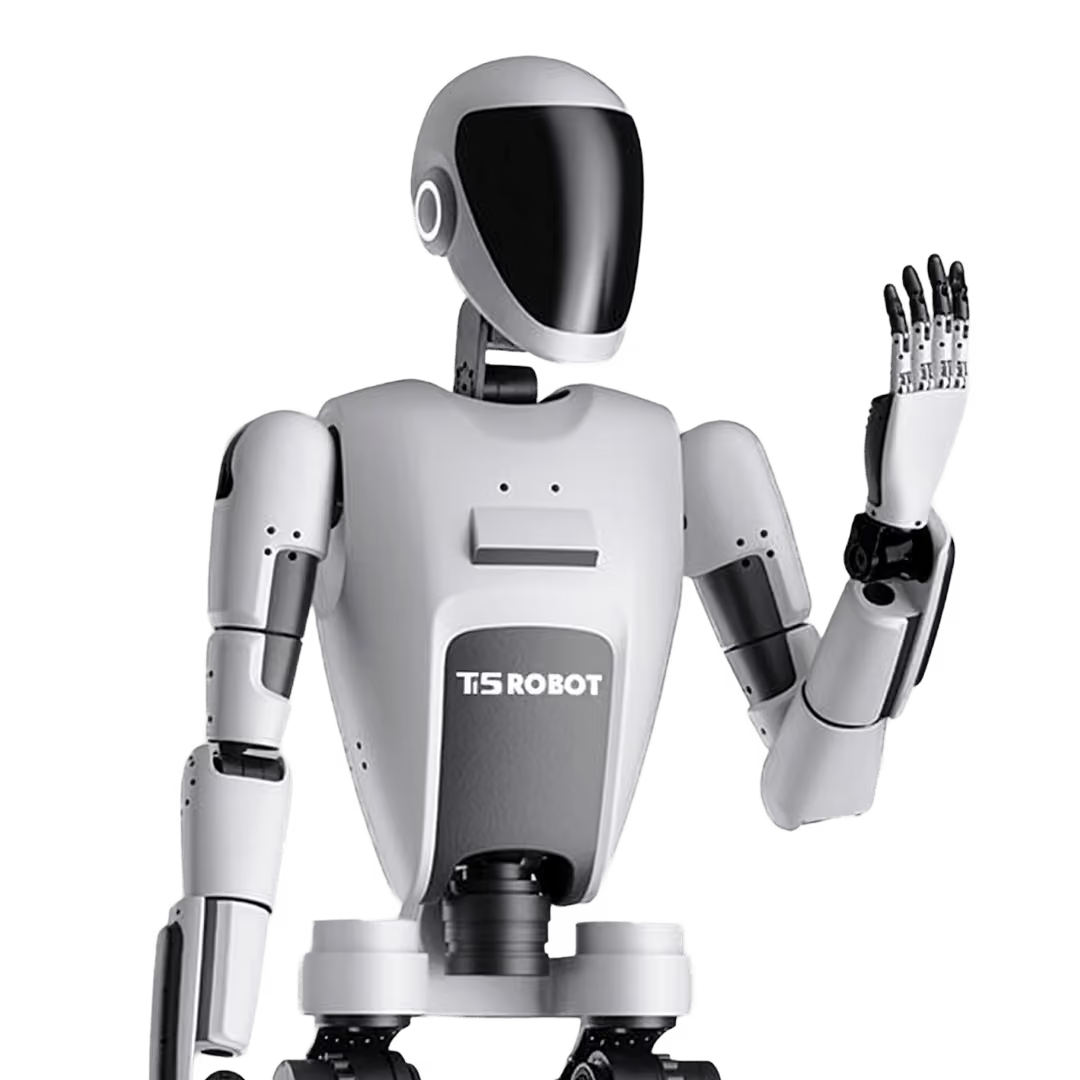
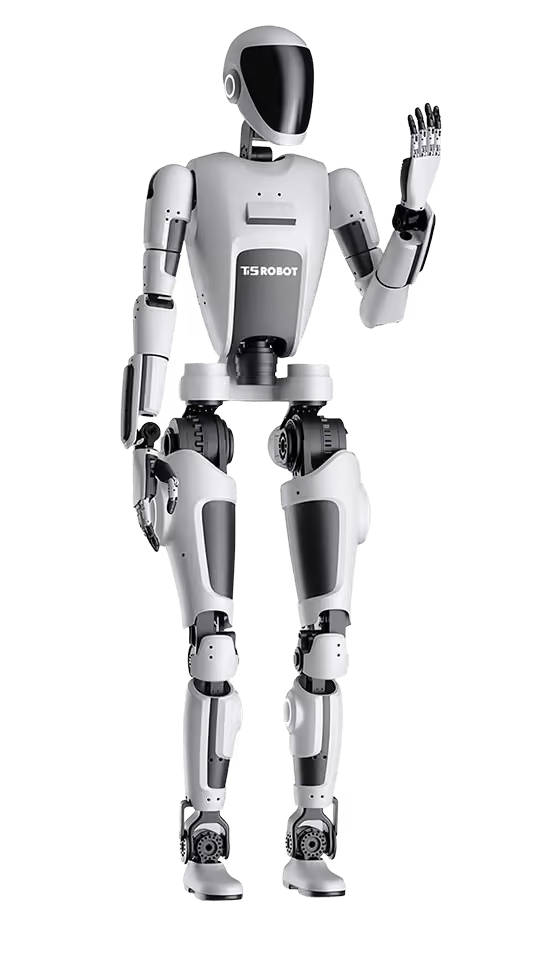
Ti5 Robot
A 1.7m bipedal platform with high torque density joints, capable of dynamic movements like jumping.

by
Tencent Robotics X
Also known as "The Five", a hybrid robot that can switch between walking and wheeled modes for elderly care.