Image:
HRI, Waseda University
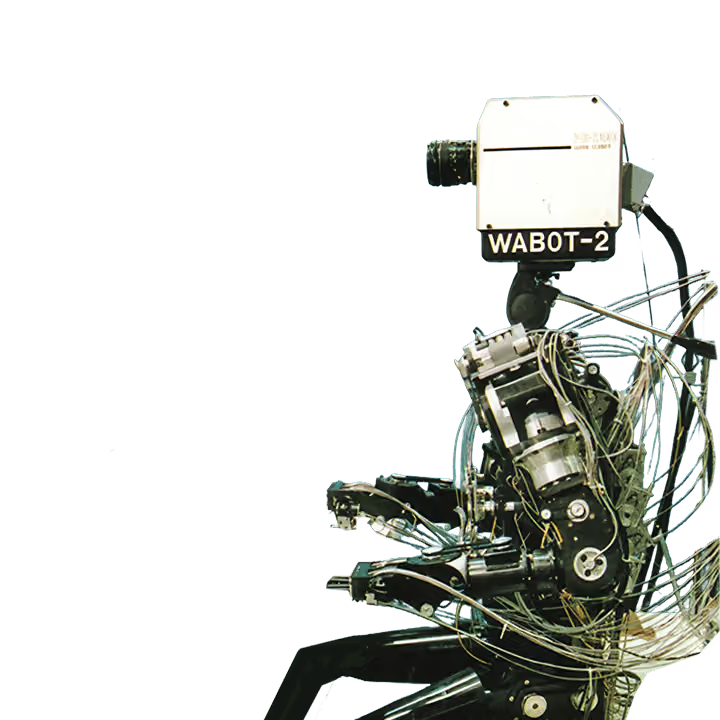
An anthropomorphic robot developed in the 1980s, specializing in playing musical instruments.


Height
150
cm

Weight
64
kg

Speed
N/A
m/s

Payload
N/A

Actuators
Electric Servo

DoF (Domains of freedom)
62
°

Designed as a specialized musician, WABOT-2 was built to read sheet music and perform complex songs on an organ just like a pro.
By using its cameras to track the conductor, it could adjust its tempo in real-time to stay in perfect sync with a human performer.
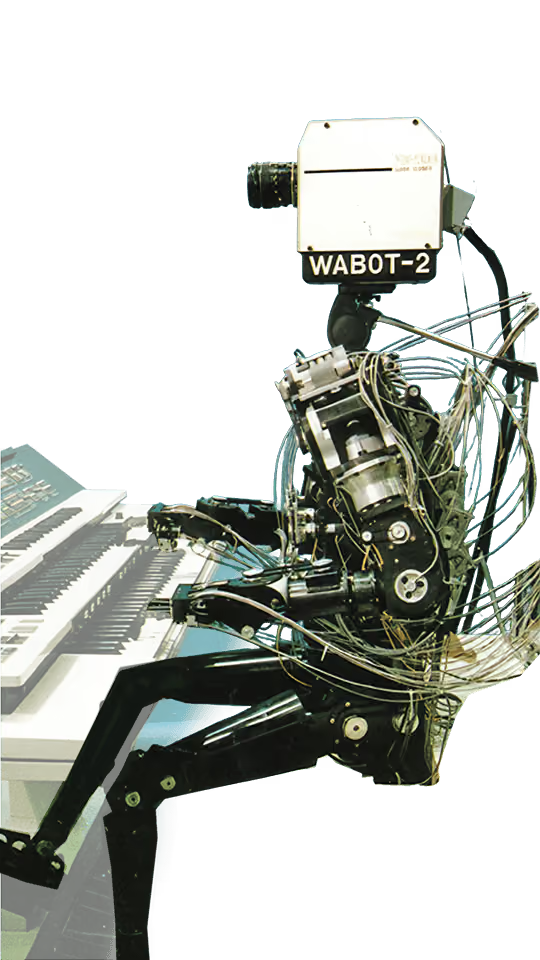
Its hands were so precise that it could play with the speed and dexterity of a human organist, hitting every note perfectly.
Beyond playing music, it could even engage in simple conversations to introduce the pieces it was about to perform for you.

An anthropomorphic robot developed in the 1980s, specializing in playing musical instruments.
WABOT-2, the "musician robot" of 1984, was a breakthrough in specialized dexterity. It was capable of reading a musical score and playing an electronic organ with both hands and both feet, requiring a level of coordination and speed that surpassed all other robots of its era. It proved that humanoids could be more than just laborers—they could be skilled performers with specialized sensory capabilities.
Image:
HRI, Waseda University
A historic milestone in robotics, famous for its ability to read sheet music and play the organ with human-like finger dexterity.
WABOT-2 by Waseda University
Actuators
Electric Servo
DoF (Domains of freedom)
62
°
Height
150
cm
Speed
N/A
m/s
Weight
64
kg
Payload
N/A
kg

Runtime
N/A
h

OS / AI System
N/A
A specialized "music robot" with high-frequency actuators fast enough to play an organ with 10 fingers and two feet in real-time.
Featured a dedicated sheet music vision system that could scan scores and immediately convert musical information into motor commands for the keyboard.
Image:
HRI, Waseda University
Historical research archives of Waseda University and Japan’s National Museum of Nature and Science.
Primarily academic historians and researchers studying the evolution of bipedal robotics.
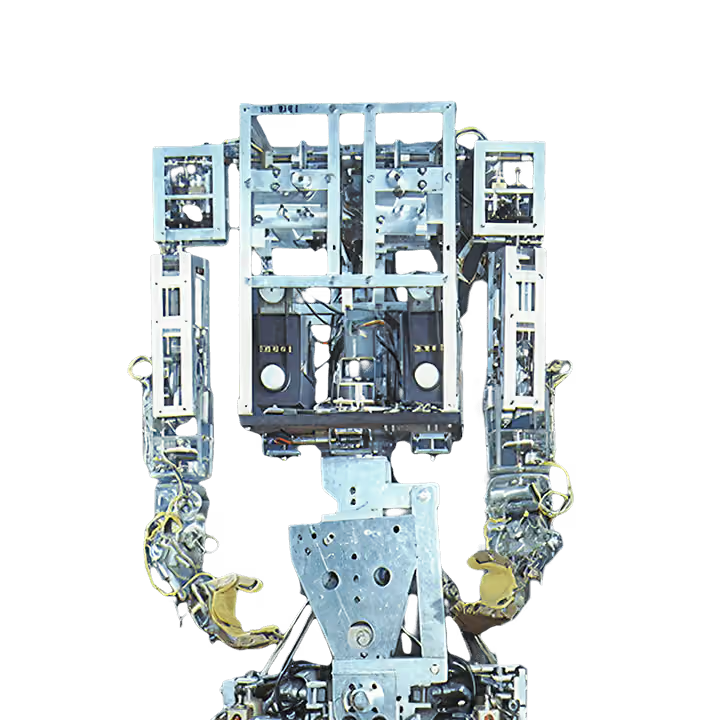
While WABOT-1 (1973) was the first full-scale bipedal humanoid, WABOT-2 (1984) focused on specialized fine motor control. It improved limb precision to the point where it could read music and play an electronic organ with ten fingers and two feet—a massive leap in coordination over the simple gait of Gen 1.
Can read music and play keyboard instruments.
Could communicate while performing.
Combines hearing, vision, and limb control.


by
Maxtronics
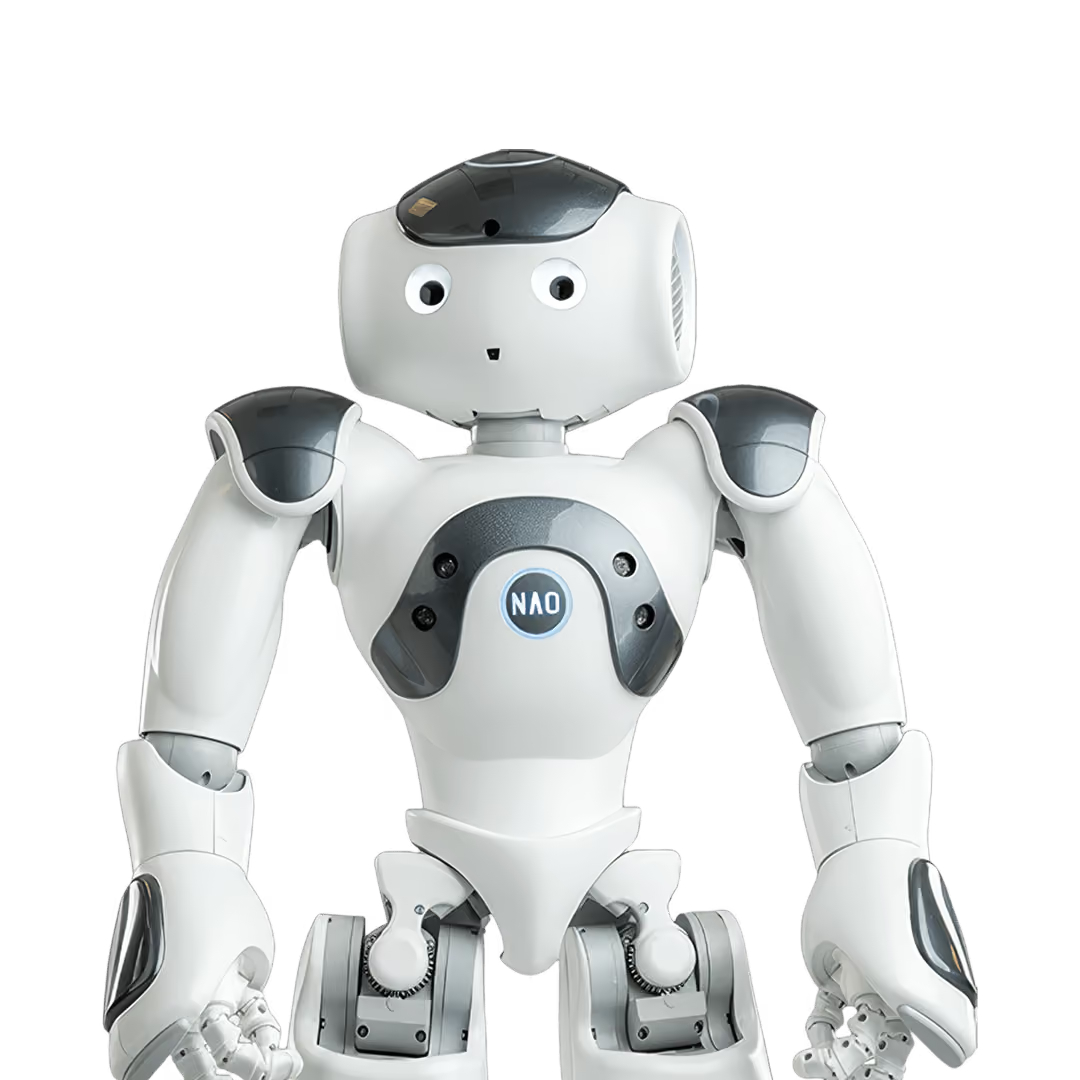
A small, interactive, and programmable humanoid robot widely used in education, research, and healthcare.

by
Tokyo Robotics
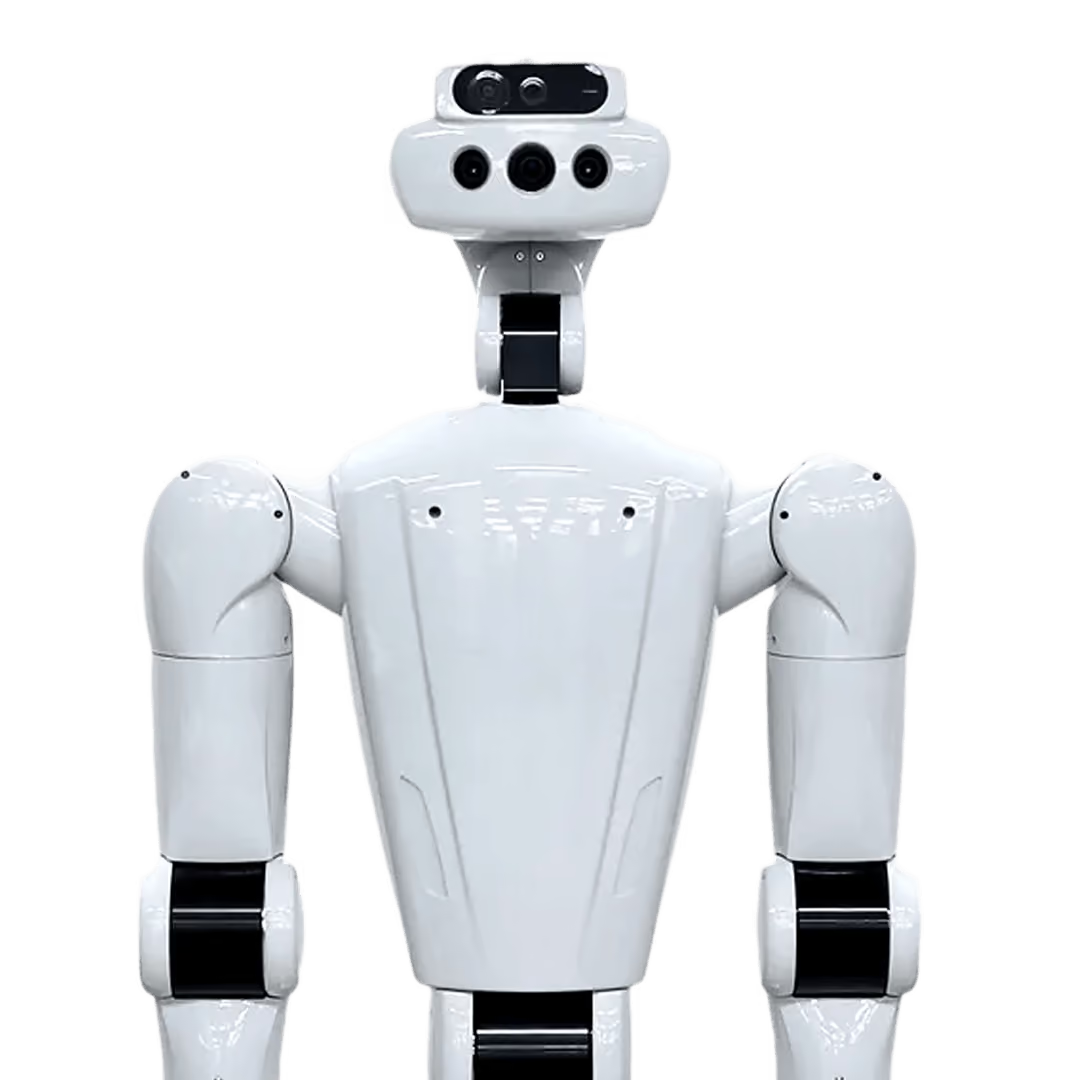
A torque-controlled humanoid robot designed as a research platform for advanced manipulation and HRI.

by
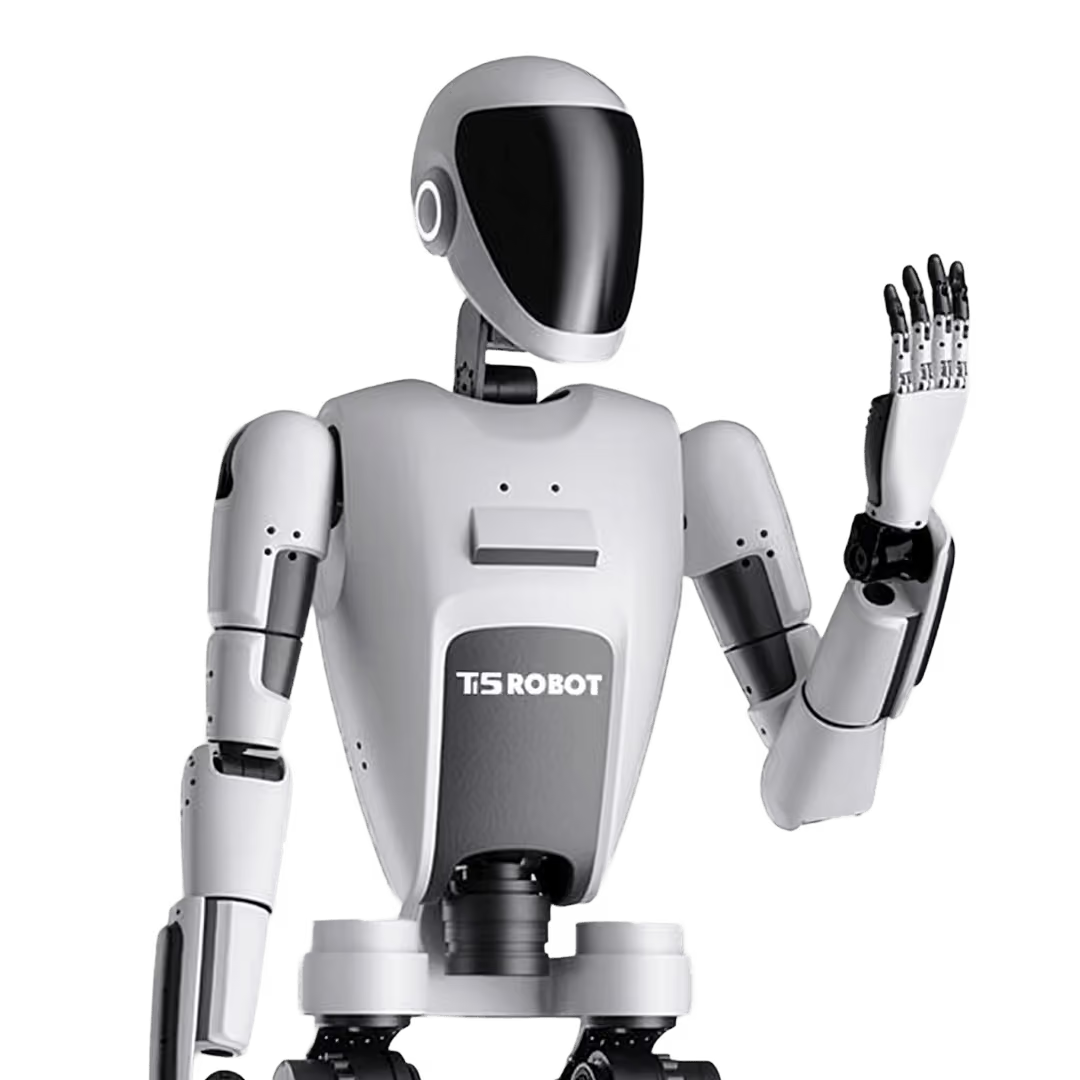
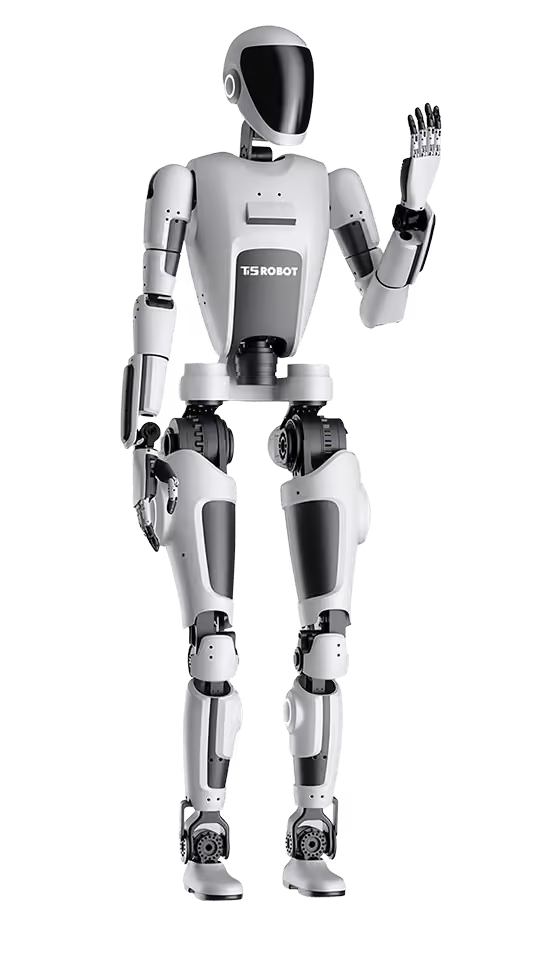
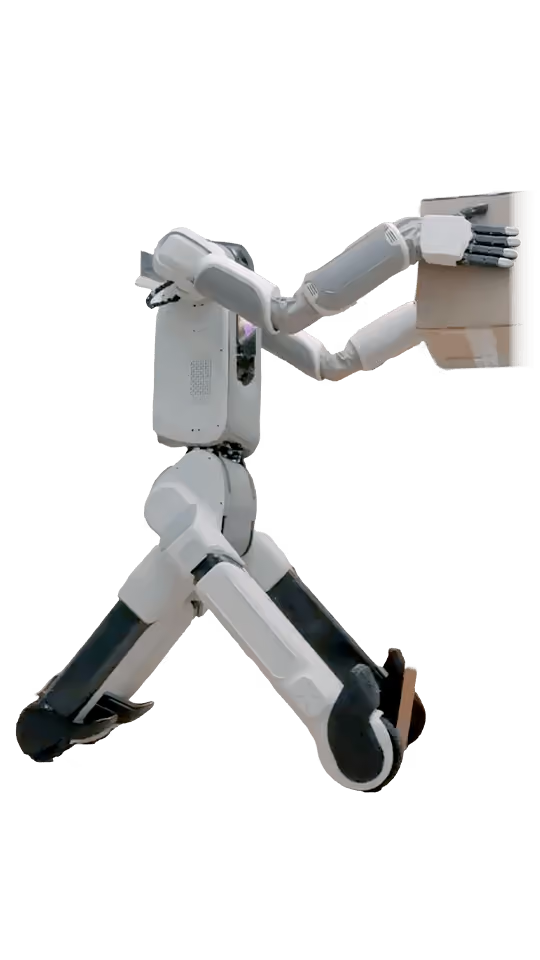
Ti5 Robot
A 1.7m bipedal platform with high torque density joints, capable of dynamic movements like jumping.

by
Tencent Robotics X
Also known as "The Five", a hybrid robot that can switch between walking and wheeled modes for elderly care.