Image:
X-Humanoid
A full-size humanoid robot developed for general-purpose applications.


Unified Vision-Motion Codes (UVMC).

Height
163
cm

Weight
43
kg

Speed
6.0
m/s

Payload
N/A

Actuators
High-speed pure electric drive actuators

DoF (Domains of freedom)
32
°

Full-sized humanoid capable of sprinting at 6 m/s (21.6 km/h).
First humanoid to autonomously complete 21km without remote help.
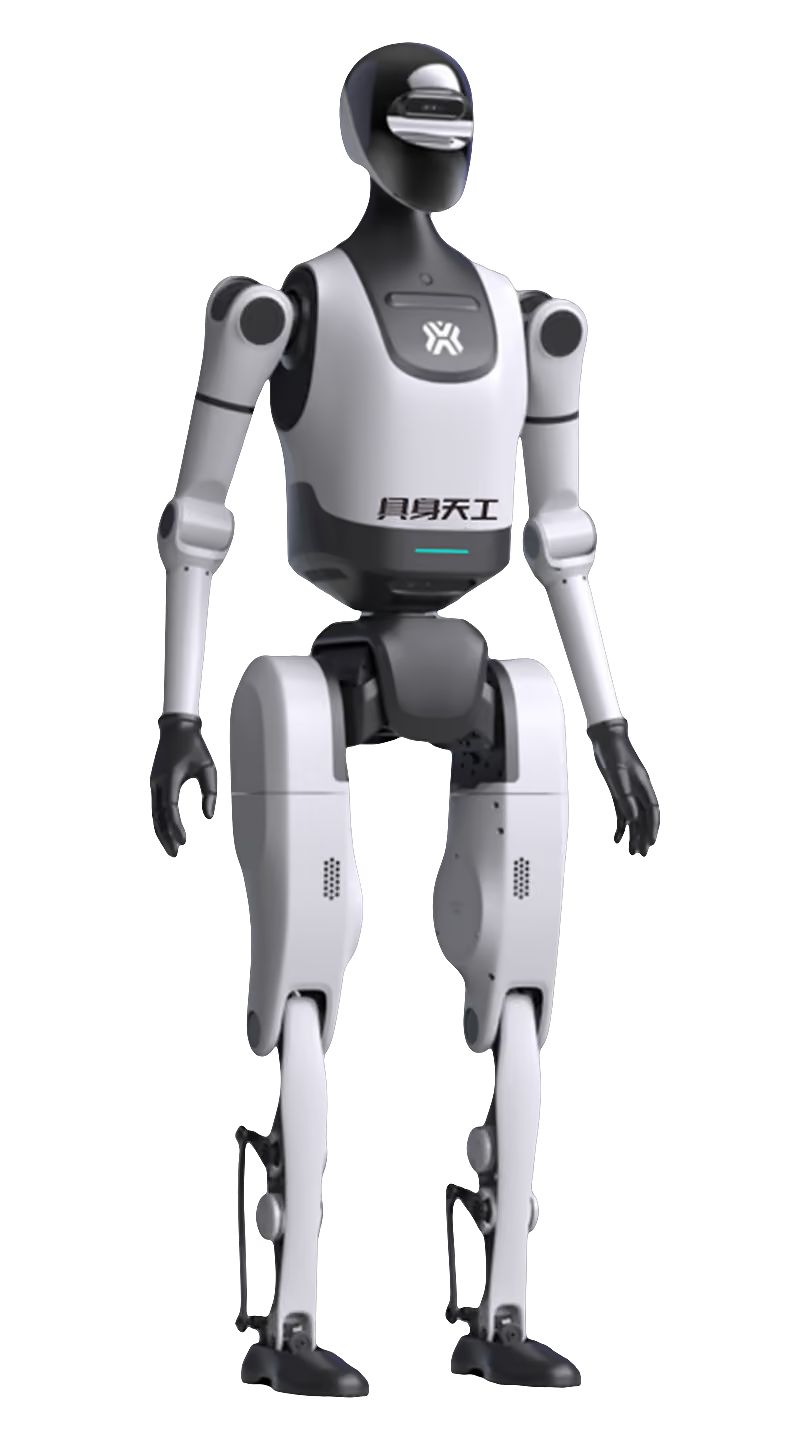
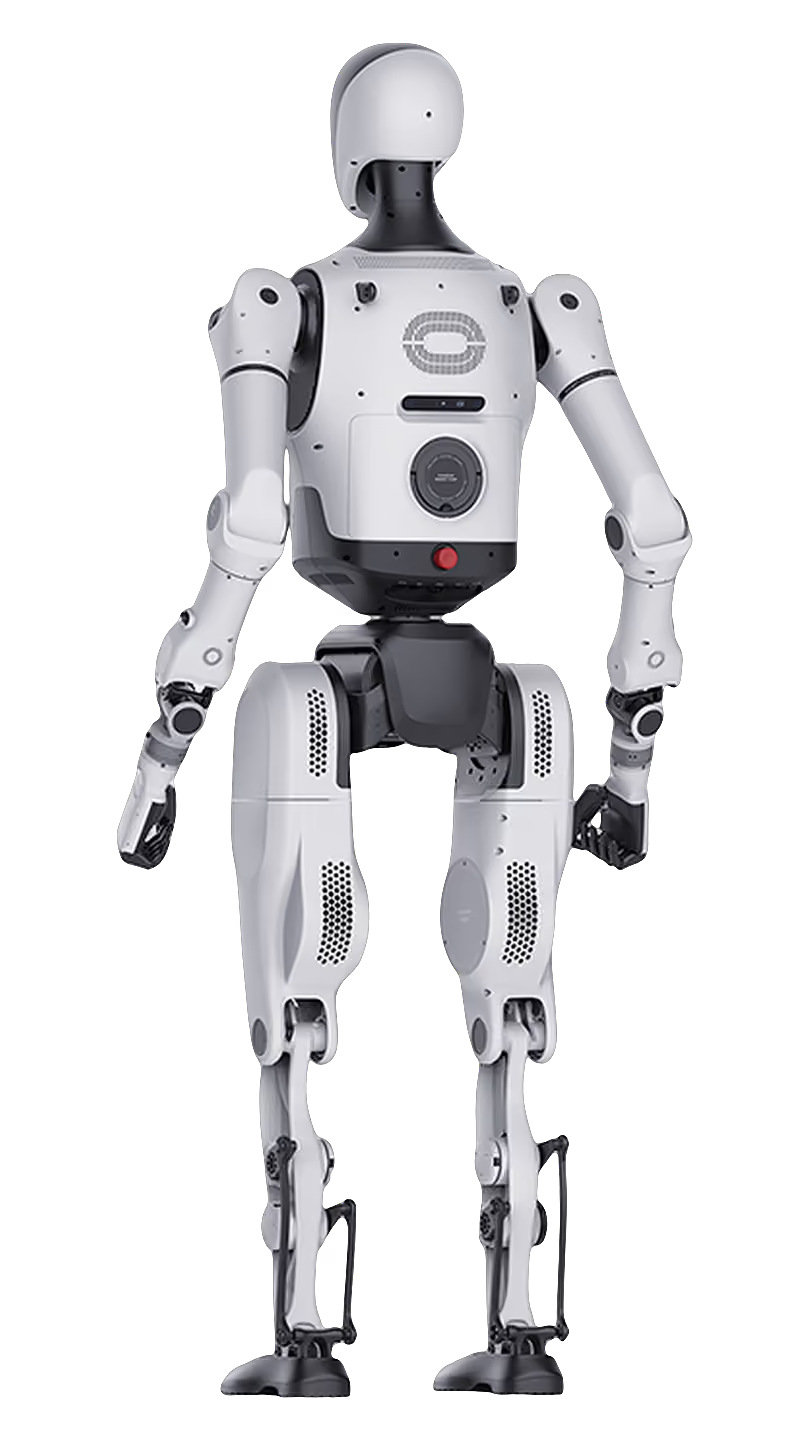
Unified Vision-Motion Codes for instinctive, reflex-like responses.
Stable traversal of stairs and obstacles using proprioception.

A full-size humanoid robot developed for general-purpose applications.
Standing 163 cm and weighing 43 kg, Tien-Kung 2 features 32 degrees of freedom. It is one of the fastest full-sized humanoids, reaching a running speed of 6 m/s.
Image:
X-Humanoid
Designed for academic research, it is a fully open platform for secondary development. Key features include real-time dynamic balance and resistance to heavy external impacts.
Embodied Tien Kung 2.0 by X-Humanoid
Actuators
High-speed pure electric drive actuators
DoF (Domains of freedom)
32
°
Height
163
cm
Speed
6.0
m/s
Weight
43
kg
Payload
N/A
kg

Runtime
N/A
h

OS / AI System
Unified Vision-Motion Codes (UVMC).
Utilizes a proprietary AMP-style reinforcement learning framework and an open-architecture interface. The tech stack enables "blind locomotion" across stairs and varied obstacles.
Image:
X-Humanoid
Primary customers are global AI researchers and bipedal locomotion labs seeking a high-performance open-source platform. It is a benchmark tool for Sim-to-Real policy training.
Significantly faster than the first-generation TienKung, the v2 model achieves a 6 m/s sprint speed and integrates ray-casting-based sensors for superior obstacle avoidance during high-speed running.
Achieves a running speed of 6 m/s, demonstrating a level of athletic capability that rivals human sprinting, pushing the boundaries of bipedal physics.
Features a minimalist, lightweight design that emphasizes speed and efficiency, mirroring the build of a high-performance athlete.
Uses advanced "blind locomotion" algorithms to navigate stairs and obstacles, mimicking a human's ability to move confidently without staring at their feet.


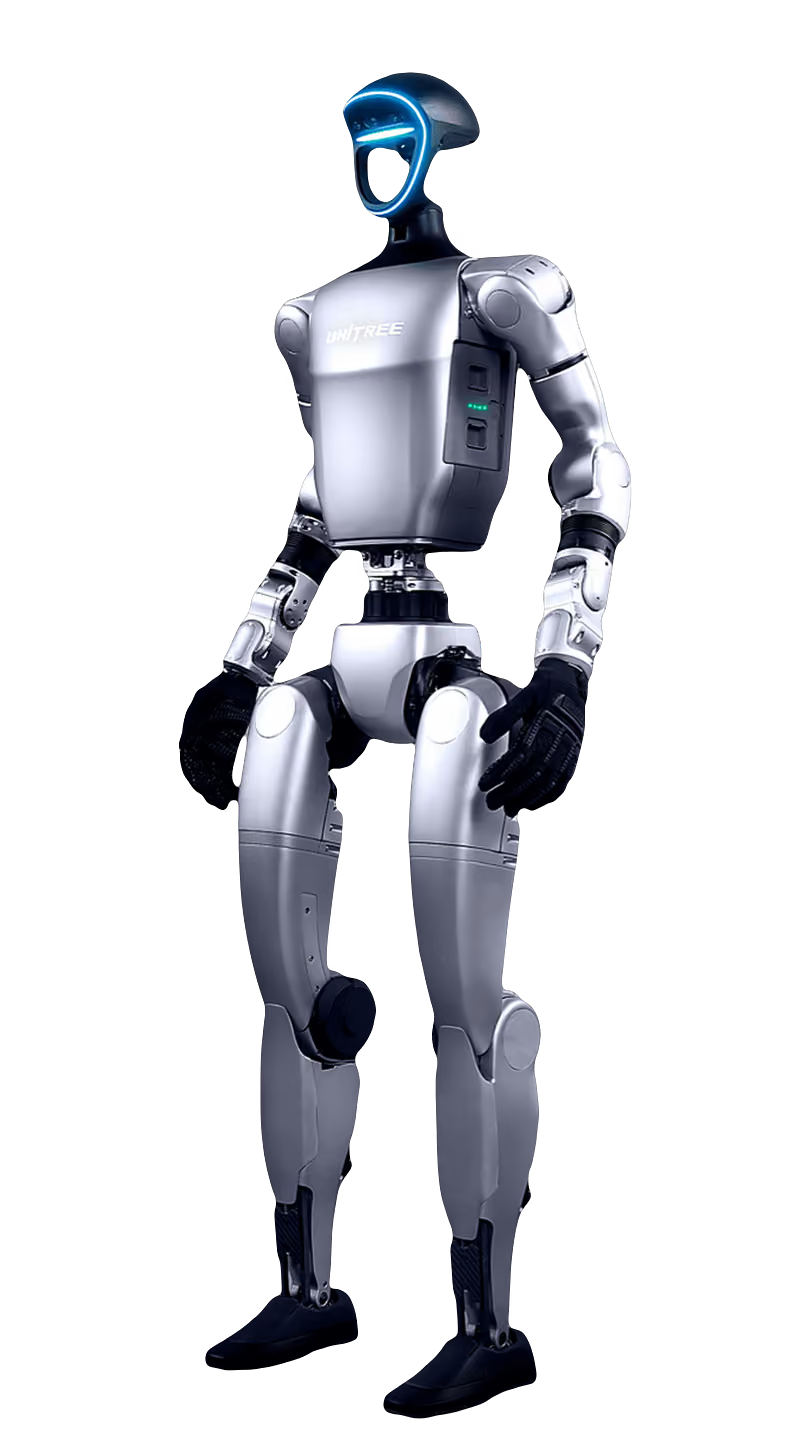
by
Unitree Robotics
A general-purpose, full-size humanoid robot focused on affordability and high-performance locomotion.

by
Galbot
A full-sized, electric-powered bipedal humanoid robot focused on autonomous task execution.

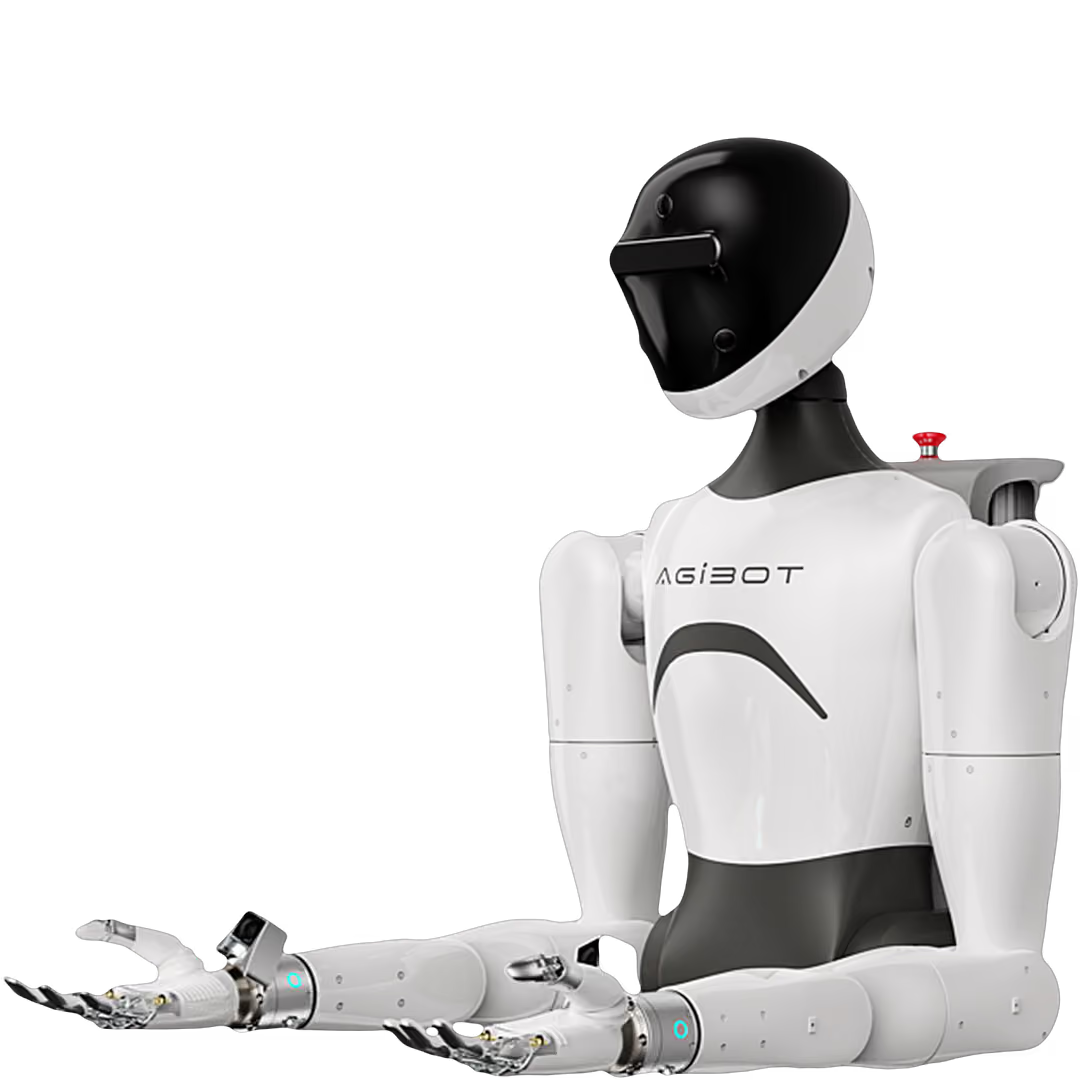
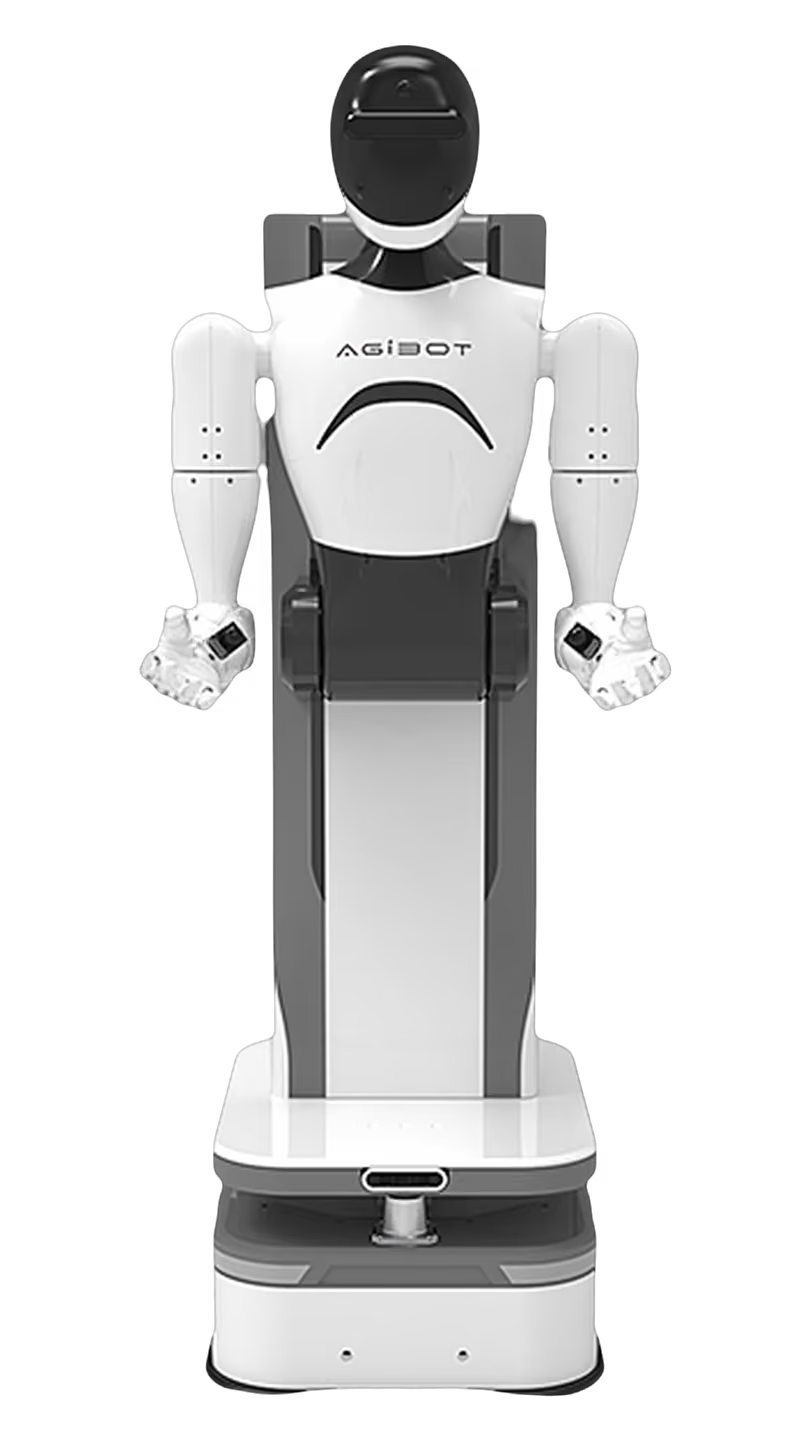
by
AgiBot
A general-purpose humanoid robot platform designed for scalable industrial applications and AI development.

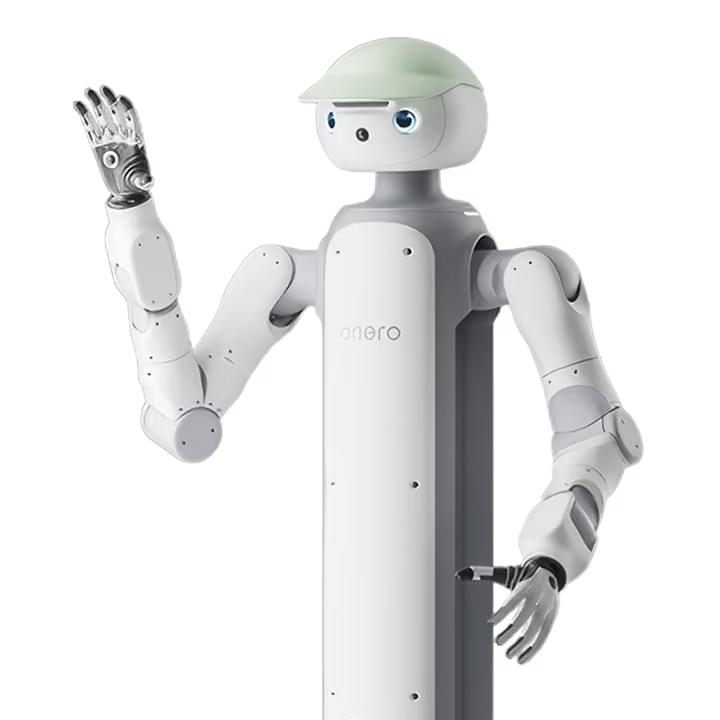
by
SwitchBot
A multitask household humanoid robot utilizing VLA models for complex chores like laundry and dishwashing in real home environments.