Image:
Engineai
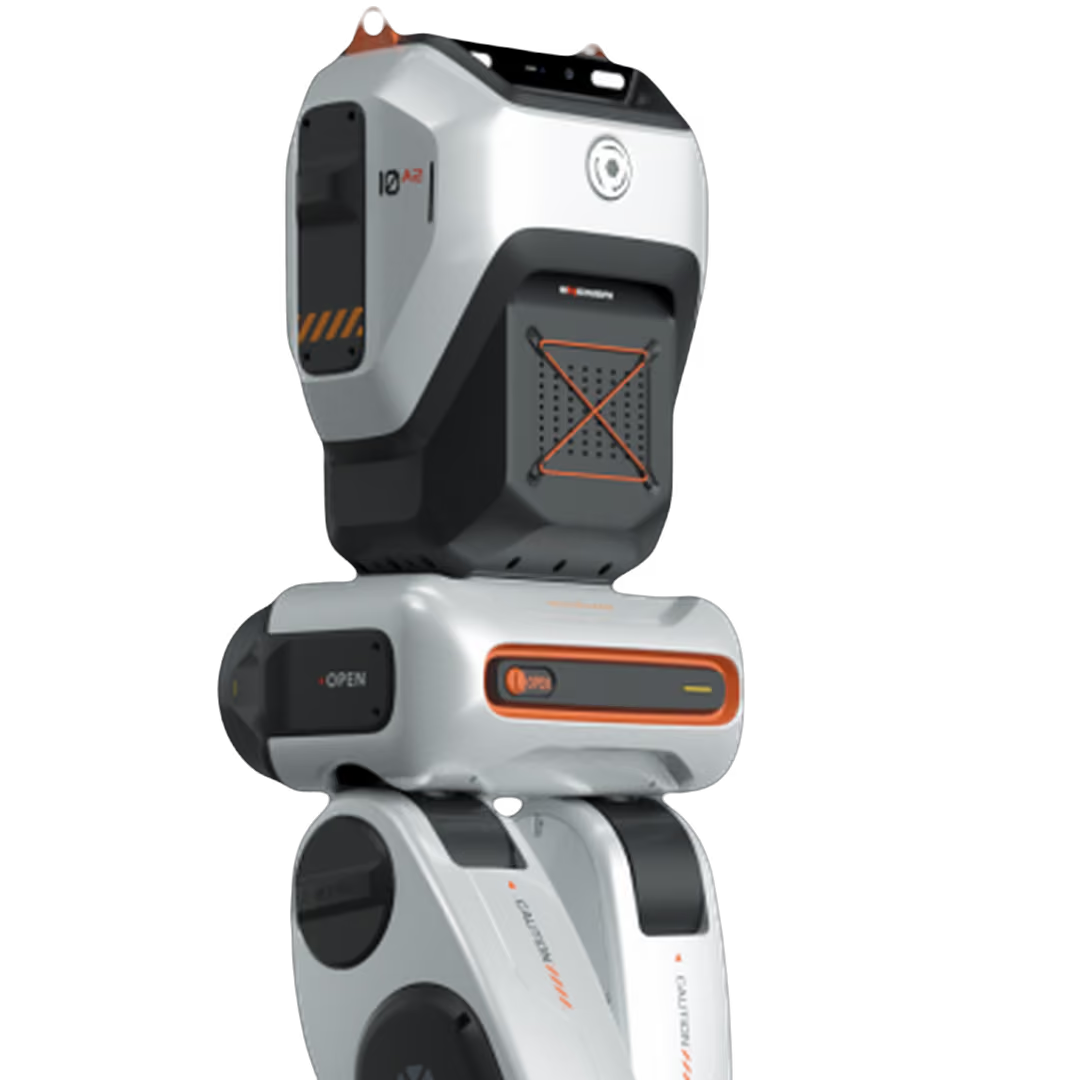
An advanced, full-size humanoid robot designed for general-purpose tasks and AI integration.

Open-source AimRT, RL.

Height
170
cm

Weight
N/A
kg

Speed
N/A
m/s

Payload
N/A

Actuators
Proprietary S160 self-developed high-torque motors with 15Ah high-capacity lithium battery support.

DoF (Domains of freedom)
12
°

Completely open design schematics and software frameworks for researcher freedom.
Compact, lab-friendly 12-DoF base ideal for RL and balance algorithm testing.
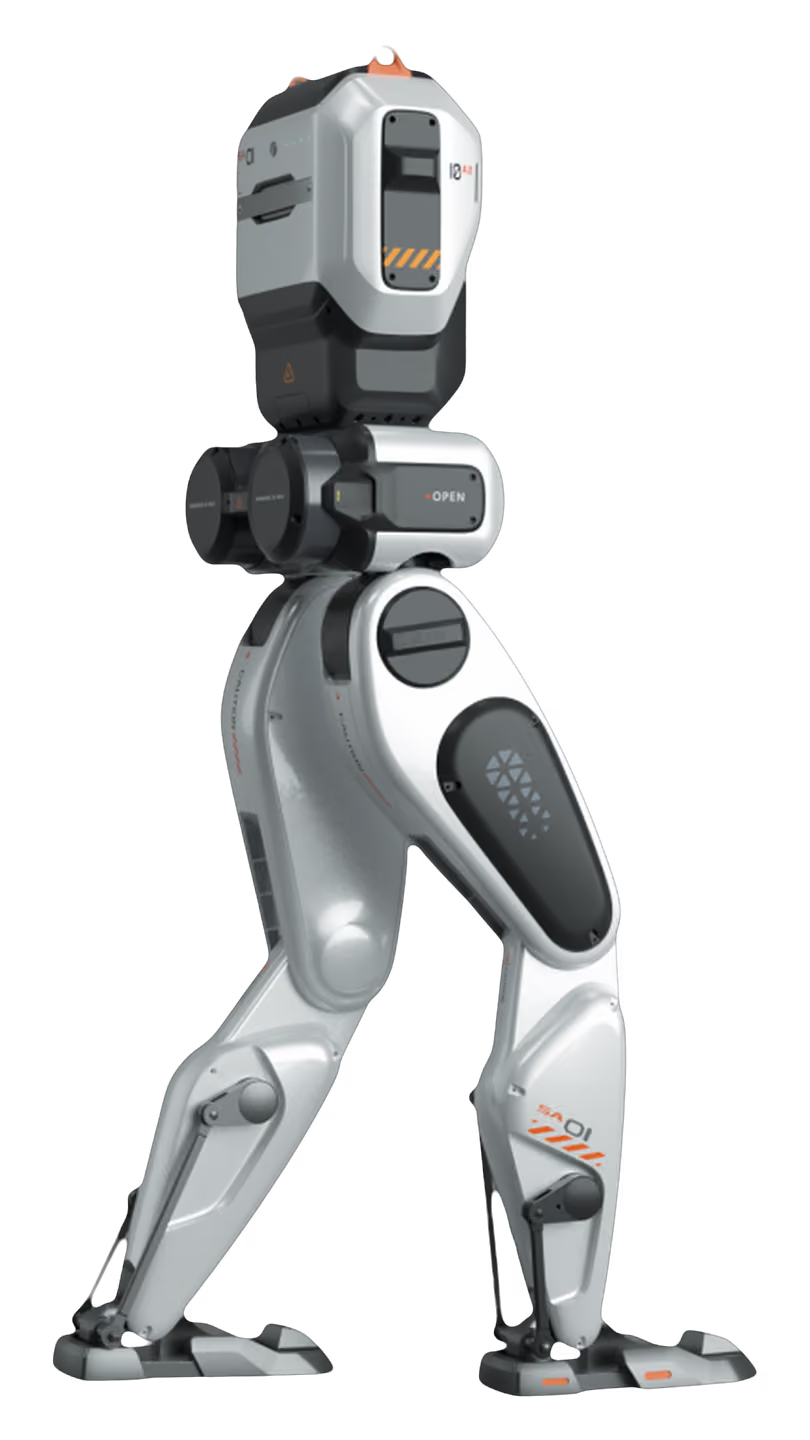
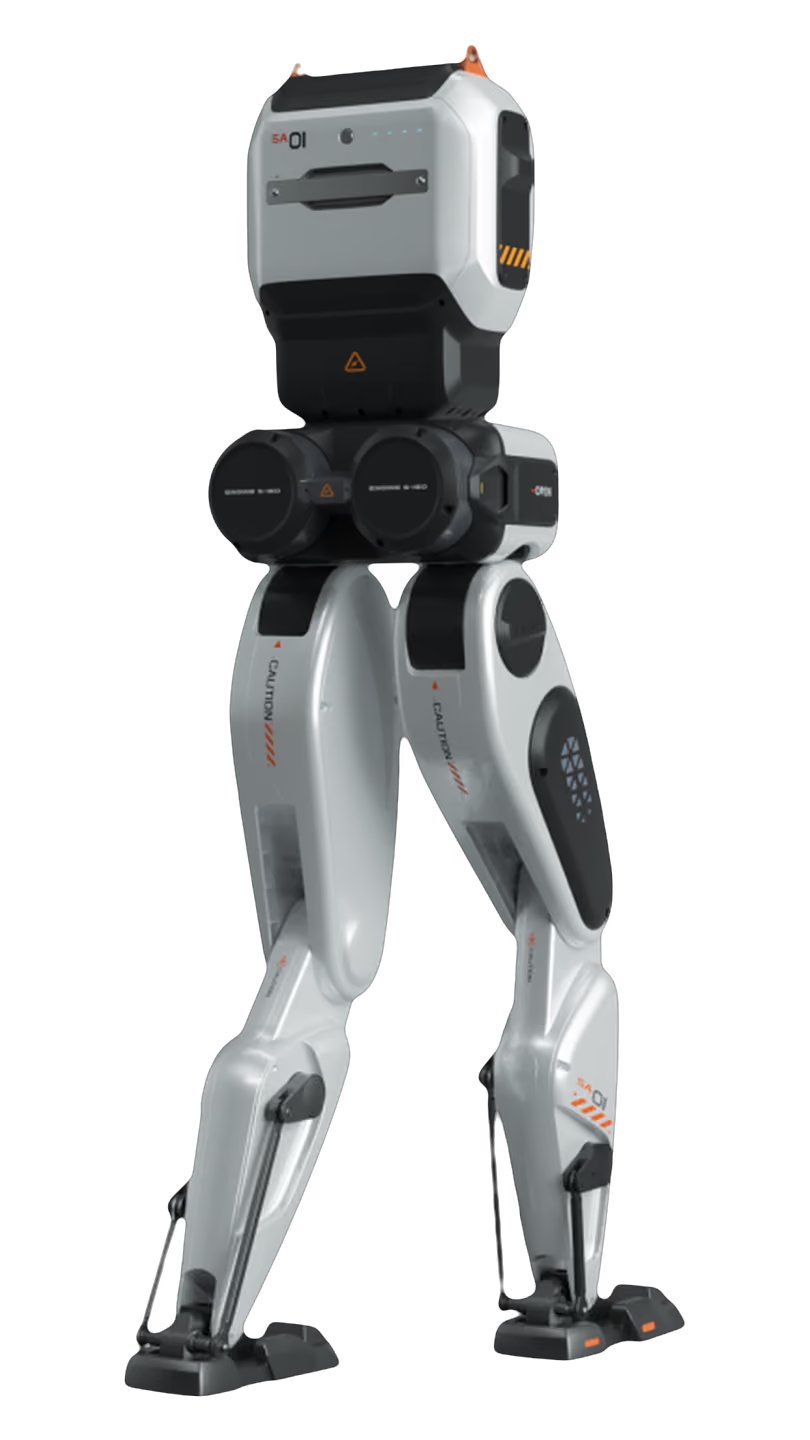
Self-developed S160 motors providing robust power for bipedal locomotion.
Modular chassis allowing for custom compute, perception, and experimental payloads.

An advanced, full-size humanoid robot designed for general-purpose tasks and AI integration.
Standing 170 cm tall, the SA01 is a full-sized humanoid optimized for academic use. It features 12 degrees of freedom focused on bipedal locomotion research and is powered by a high-capacity 15Ah lithium battery.
Image:
Engineai
Designed for schools and labs, it supports open training code (Isaac, MuJoCo, ROS). Key features include extensible hardware I/O, a lightweight 40 kg frame, and a focus on bipedal walking and balance curricula.
SA01 by Engineai
Actuators
Proprietary S160 self-developed high-torque motors with 15Ah high-capacity lithium battery support.
DoF (Domains of freedom)
12
°
Height
170
cm
Speed
N/A
m/s
Weight
N/A
kg
Payload
N/A
kg

Runtime
N/A
h

OS / AI System
Open-source AimRT, RL.
Utilizes Agibot's AimRT open-source middleware and proprietary S160 high-torque motors. The stack is designed for "hackability," allowing researchers to modify motor control without reverse-engineering.
Image:
Engineai
Targeted at universities, robotics laboratories, and STEM education centers. The SA01 provides an accessible entry point for students and researchers to experiment with bipedal walking algorithms and reinforcement learning in a controlled lab environment.
Designed as a specialized "education-first" variant, it simplifies the complex hardware of industrial models into a "hackable" 12-DoF base, offering fully open training code and CAD documentation that was previously restricted in enterprise-only units.
Designed as an open-source bipedal platform, allowing researchers and students to modify every layer of its motion control and AI, fostering a transparent collaborative bond between human and machine.
Utilizes reinforcement learning to achieve a power consumption of under 200W while walking, mimicking the energy efficiency and sustainable movement profiles of biological systems.
Weighing only 40kg, its compact and non-intimidating frame is engineered for safe use in educational settings, making advanced robotics more approachable for the next generation of engineers.


by
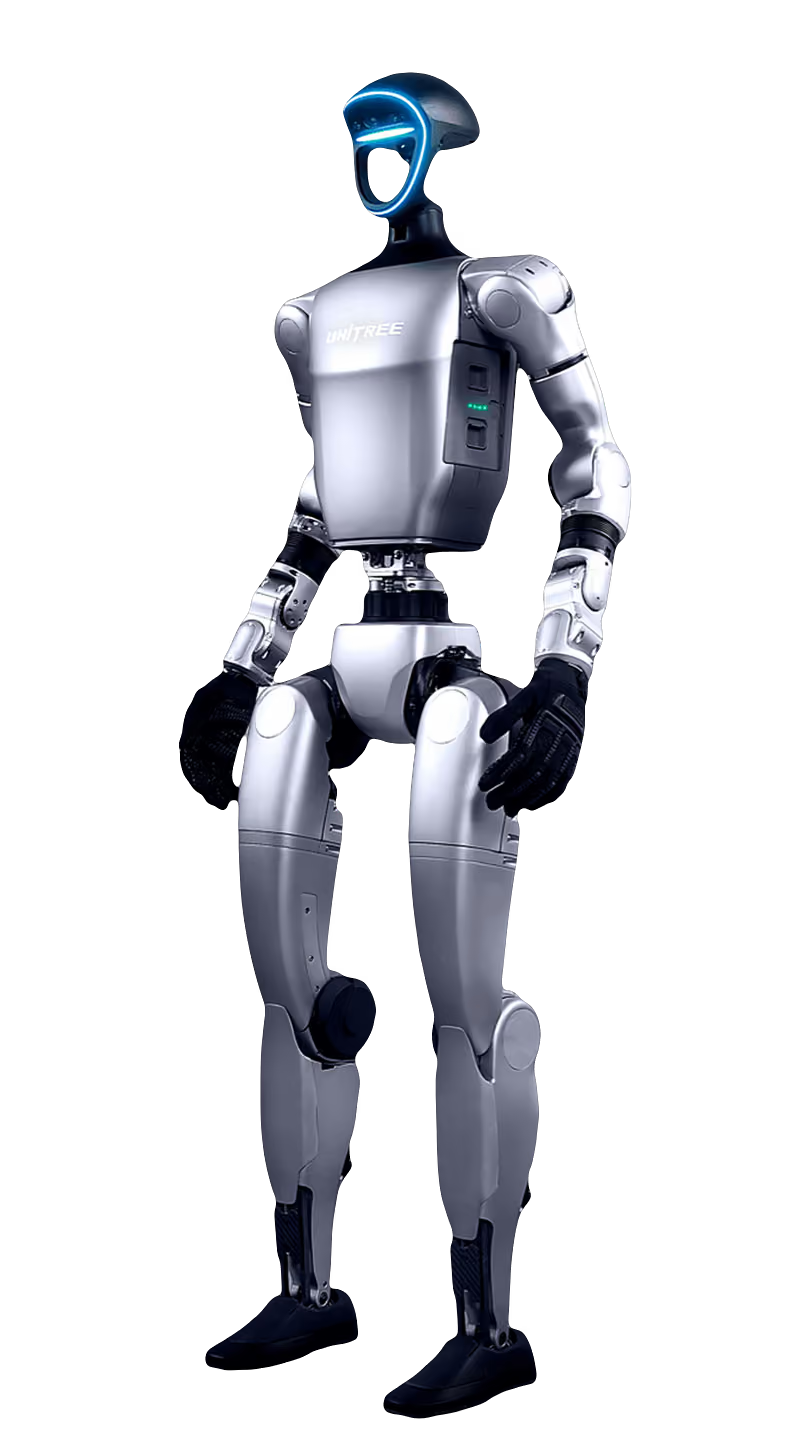
Unitree Robotics
A general-purpose, full-size humanoid robot focused on affordability and high-performance locomotion.

by
Galbot
A full-sized, electric-powered bipedal humanoid robot focused on autonomous task execution.

by
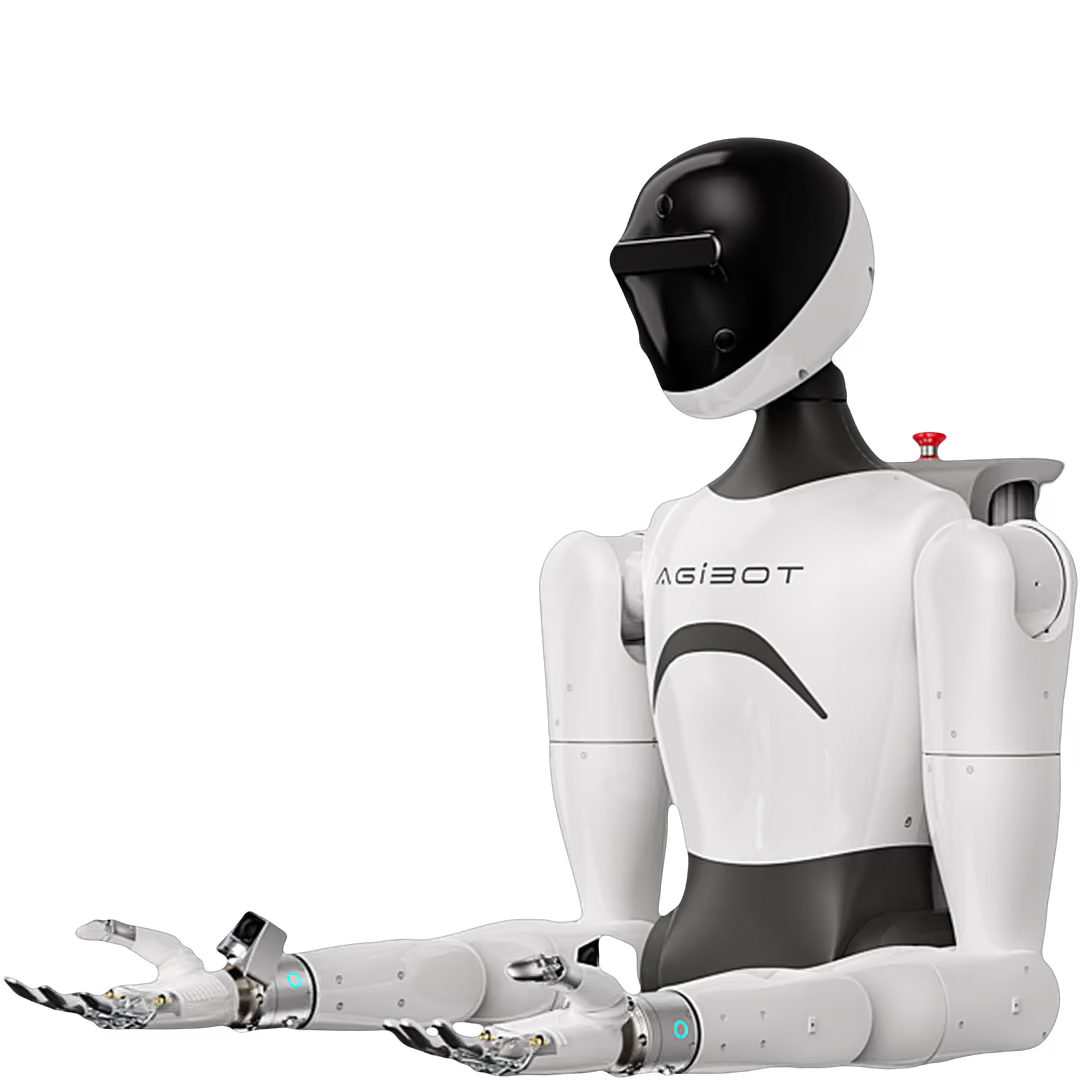
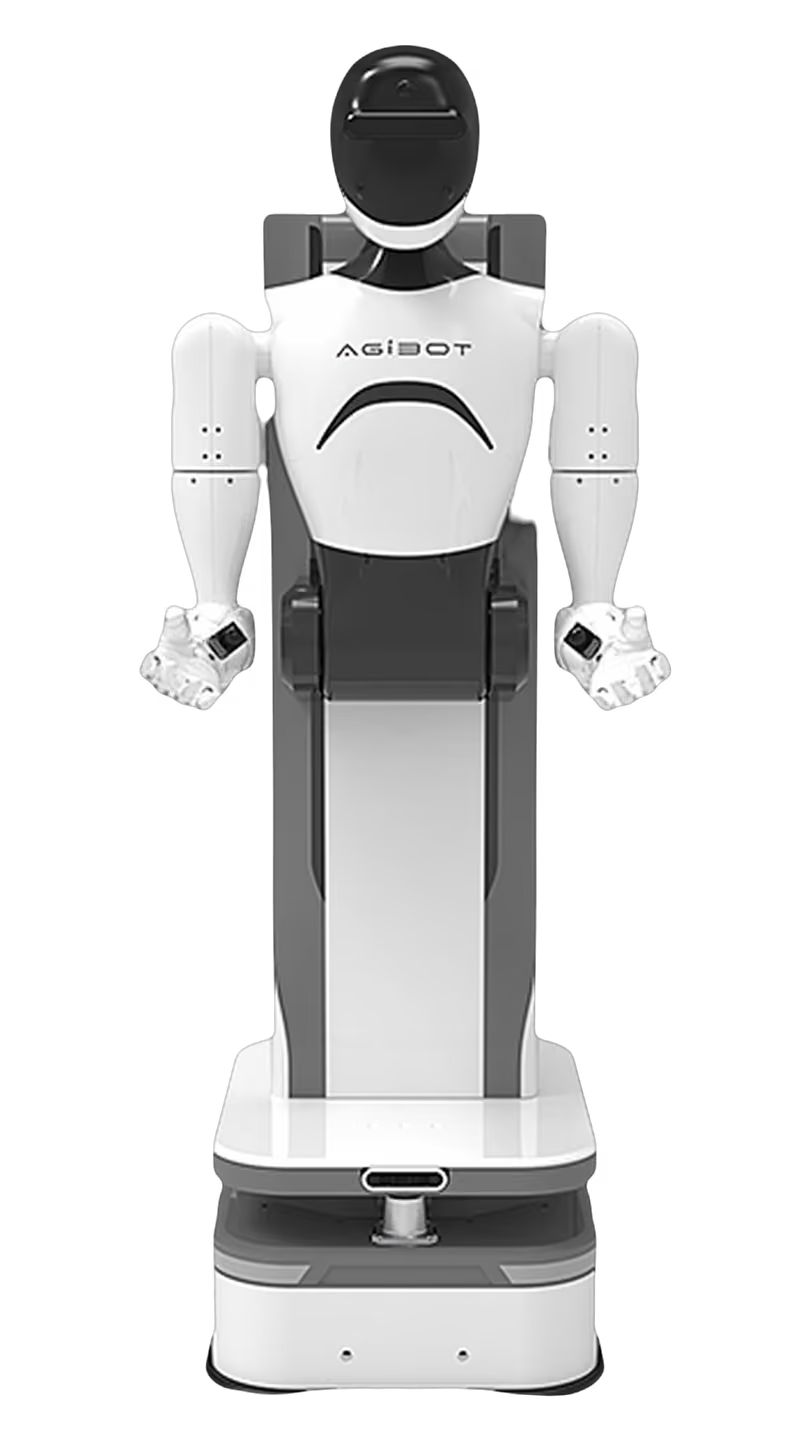
AgiBot
A general-purpose humanoid robot platform designed for scalable industrial applications and AI development.

by
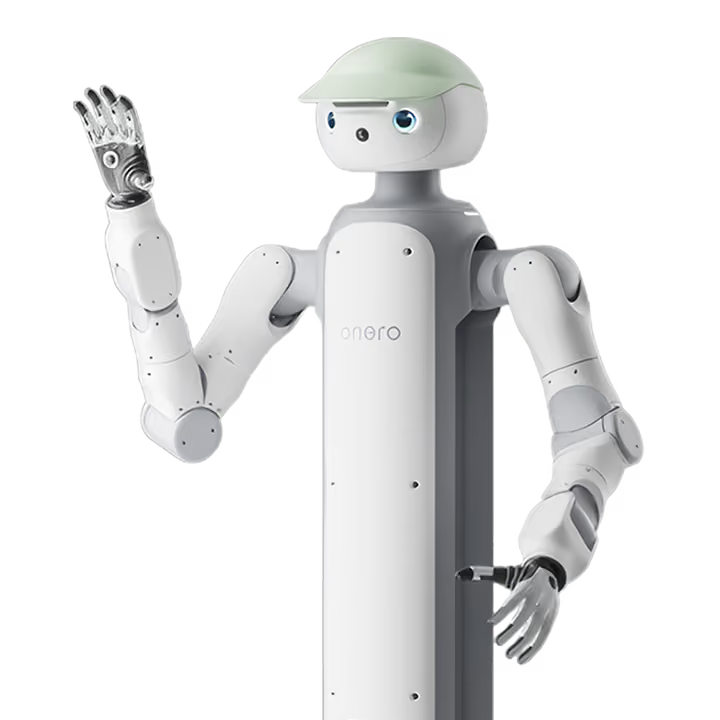
SwitchBot
A multitask household humanoid robot utilizing VLA models for complex chores like laundry and dishwashing in real home environments.