Image:
Engineai
A commercial humanoid robot for service applications.

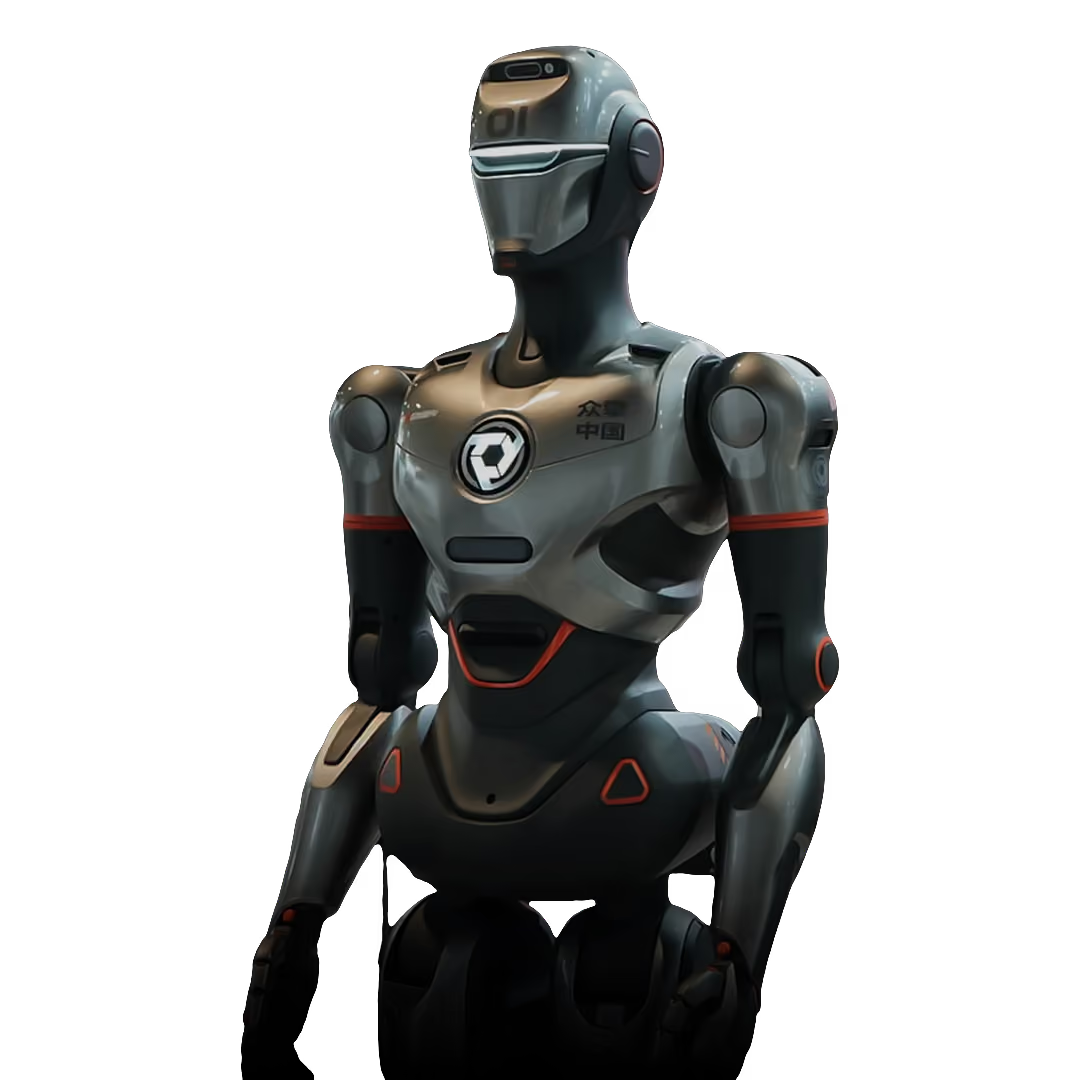
China

End-to-end neural network.

Height
170
cm

Weight
55
kg

Speed
2.0
m/s

Payload
N/A

Actuators
High-torque electric actuators with 330 Nm peak torque, integrated with a dual-processor architecture (NVIDIA GPU + Intel CPU).

DoF (Domains of freedom)
32
°

End-to-end neural networks deliver smooth, graceful movements, avoiding robotic stiffness.
Comprehensive environmental perception via LiDAR and Intel RealSense cameras.
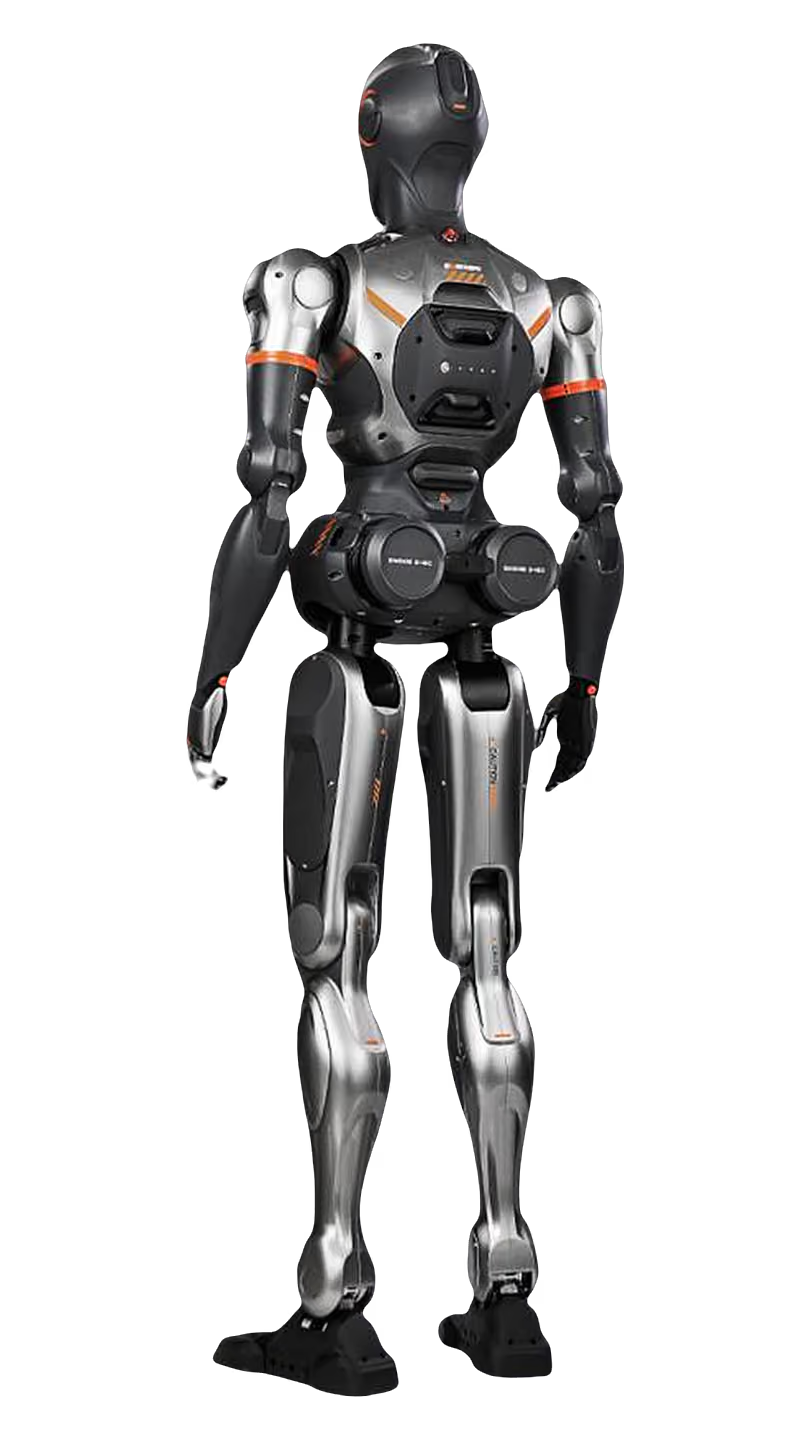
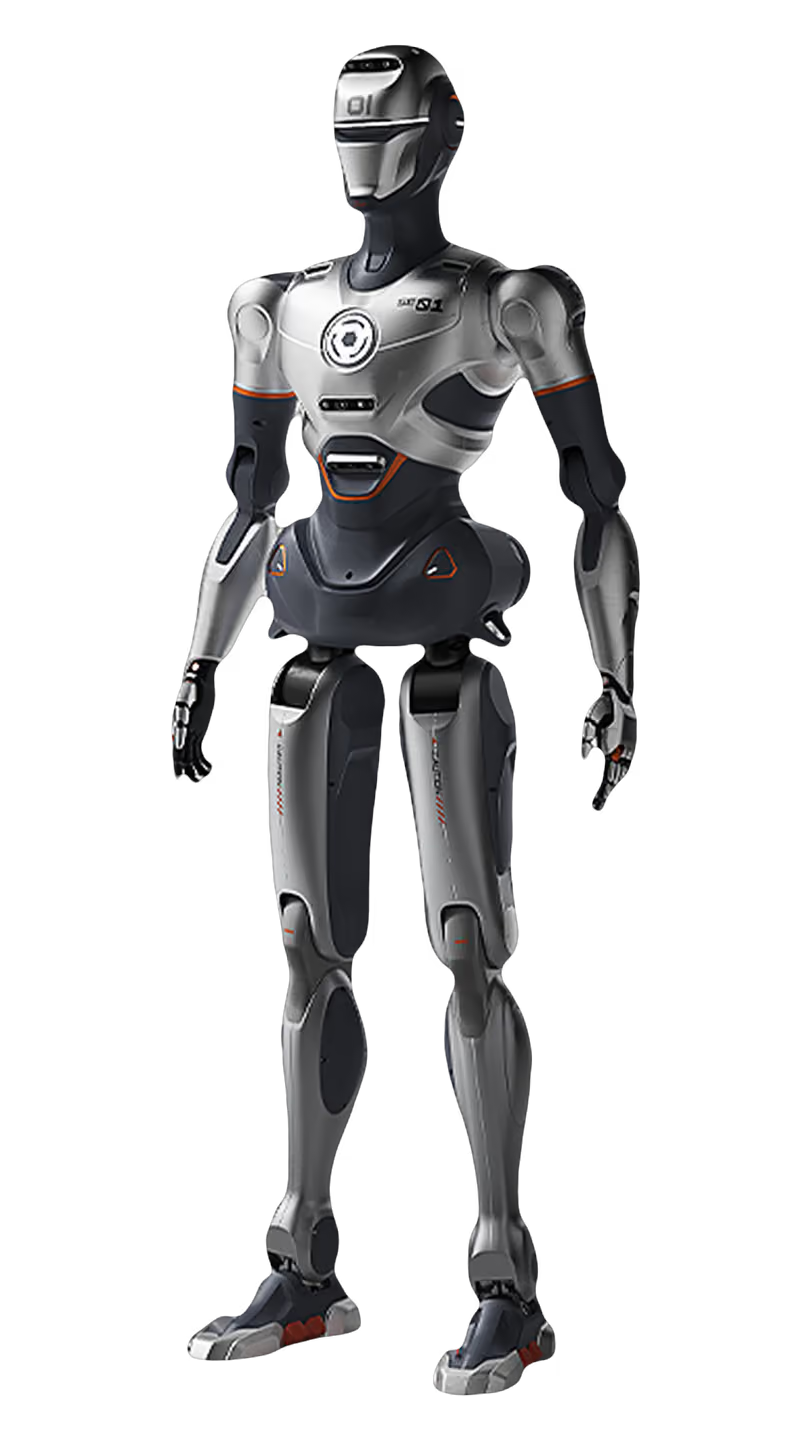
Self-developed harmonic joint modules providing exceptional power for industrial tasks.
Integrated NVIDIA GPU and Intel CPU architecture for real-time AI and motor control.

A commercial humanoid robot for service applications.
Standing 170 cm and weighing 55 kg, SE01 features 32 degrees of freedom. It achieves a 2 m/s walking speed and is powered by quick-swap 10,000 mAh battery packs for extended industrial deployment.
Image:
Engineai
Capable of complex maneuvers including squats, push-ups, and jumps. It features "Engine Sense" 360° perception via LiDAR and Intel RealSense D435 cameras, making it suitable for factory and household aid.
SE01 by Engineai
Actuators
High-torque electric actuators with 330 Nm peak torque, integrated with a dual-processor architecture (NVIDIA GPU + Intel CPU).
DoF (Domains of freedom)
32
°
Height
170
cm
Speed
2.0
m/s
Weight
55
kg
Payload
N/A
kg

Runtime
2.0
h

OS / AI System
End-to-end neural network.
Employs a proprietary end-to-end neural network for a "natural human gait." Hardware includes self-developed harmonic/planetary joints delivering 330 Nm peak torque and dual encoders for precise control.
Image:
Engineai
Primary customers include high-tech manufacturing plants for light assembly and commercial facilities for customer service. It is also utilized by research institutes focused on dynamic human-robot interaction and agile bipedal movement.
Significant improvements over the PM01 prototype include an end-to-end neural network for a more natural anthropomorphic gait and self-developed joint modules delivering a massive 330 Nm peak torque, enabling human-like agility and running.
Uses end-to-end neural networks to leave behind the "stereotypical robotic" walk, achieving a smooth and graceful anthropomorphic gait that visually aligns with human expectations of movement.
Combines reinforcement and imitation learning to respond to environmental changes with human-like agility, bridging the gap between rigid automation and fluid biological responsiveness.
Features harmonic force control joint modules that allow for "soft" interactions in complex factory environments, ensuring it can perform heavy lifting without posing a risk to human coworkers.



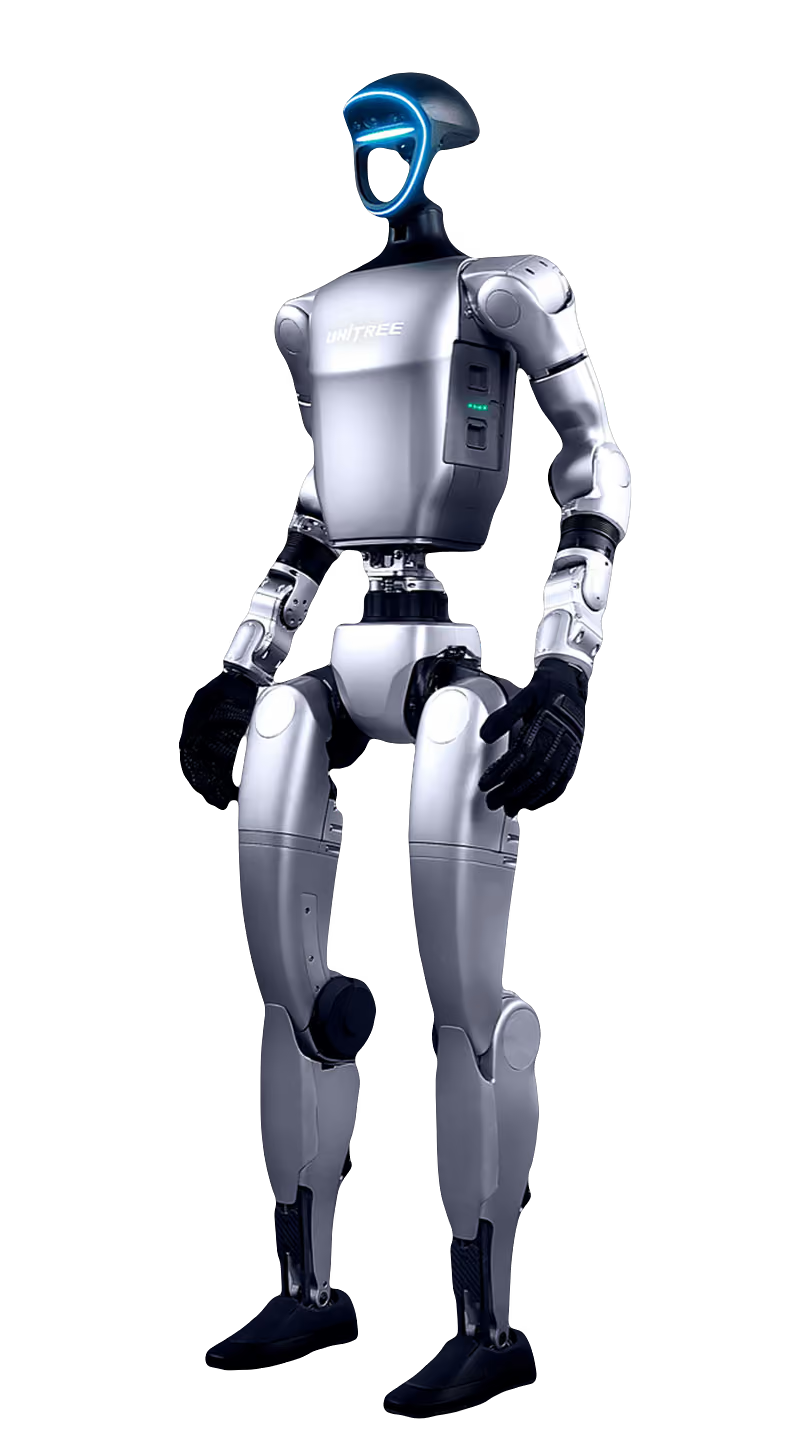
by
Unitree Robotics
A general-purpose, full-size humanoid robot focused on affordability and high-performance locomotion.

by
Galbot
A full-sized, electric-powered bipedal humanoid robot focused on autonomous task execution.

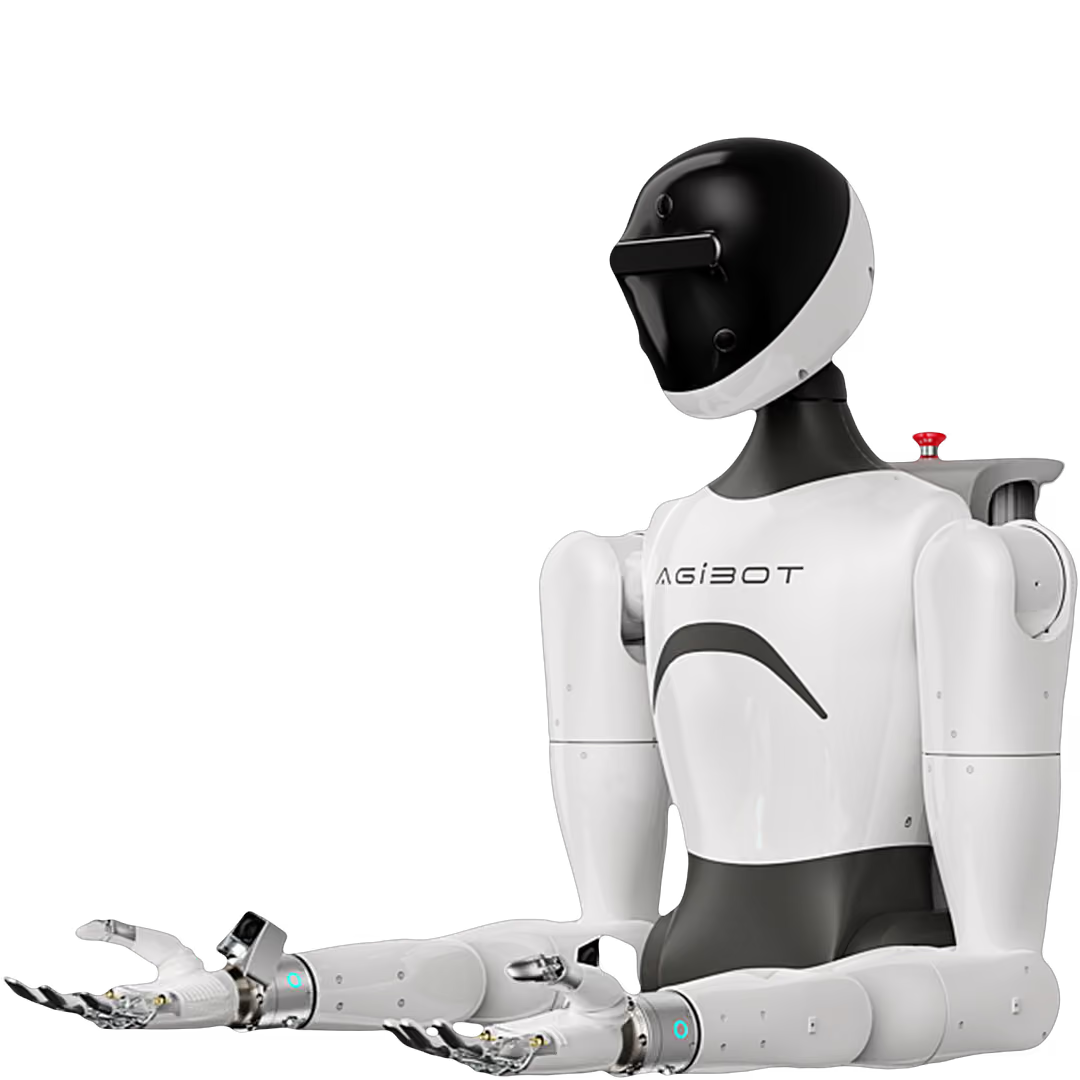
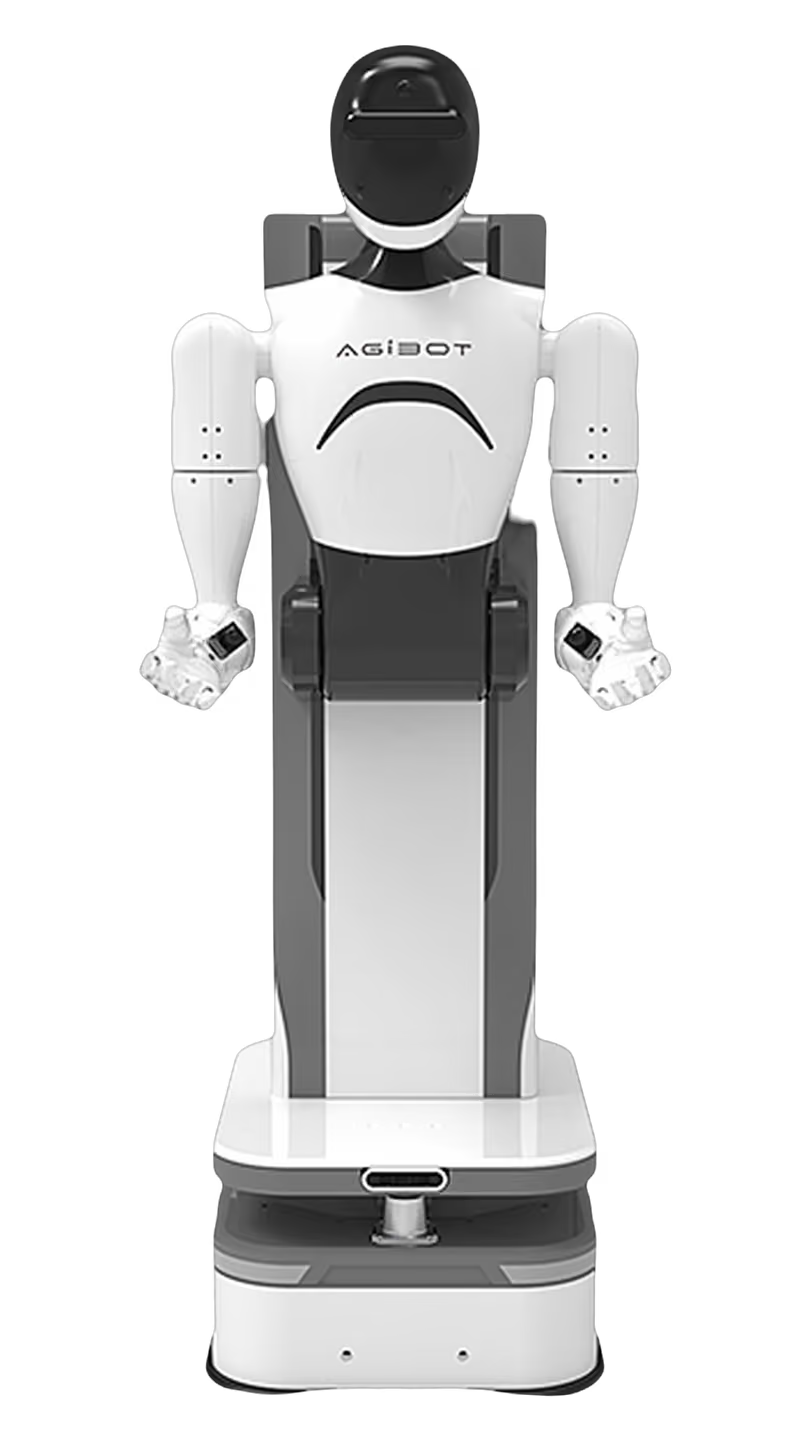
by
AgiBot
A general-purpose humanoid robot platform designed for scalable industrial applications and AI development.

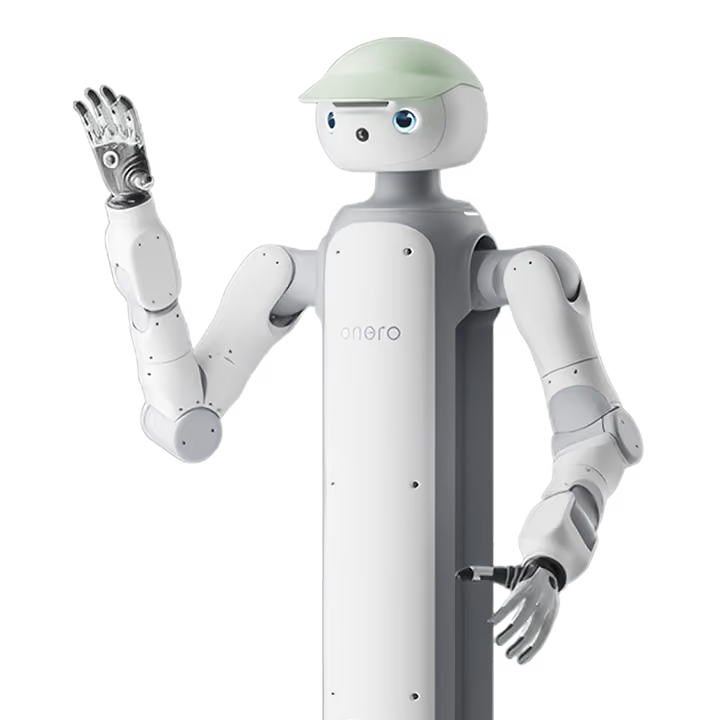
by
SwitchBot
A multitask household humanoid robot utilizing VLA models for complex chores like laundry and dishwashing in real home environments.