Learn what this feature means, why it is essential, and how it is used across different humanoid robots.

The ability to understand and respond to non-verbal communication like gestures
The ability to perceive, understand and respond to non-verbal communication like gestures
Examples
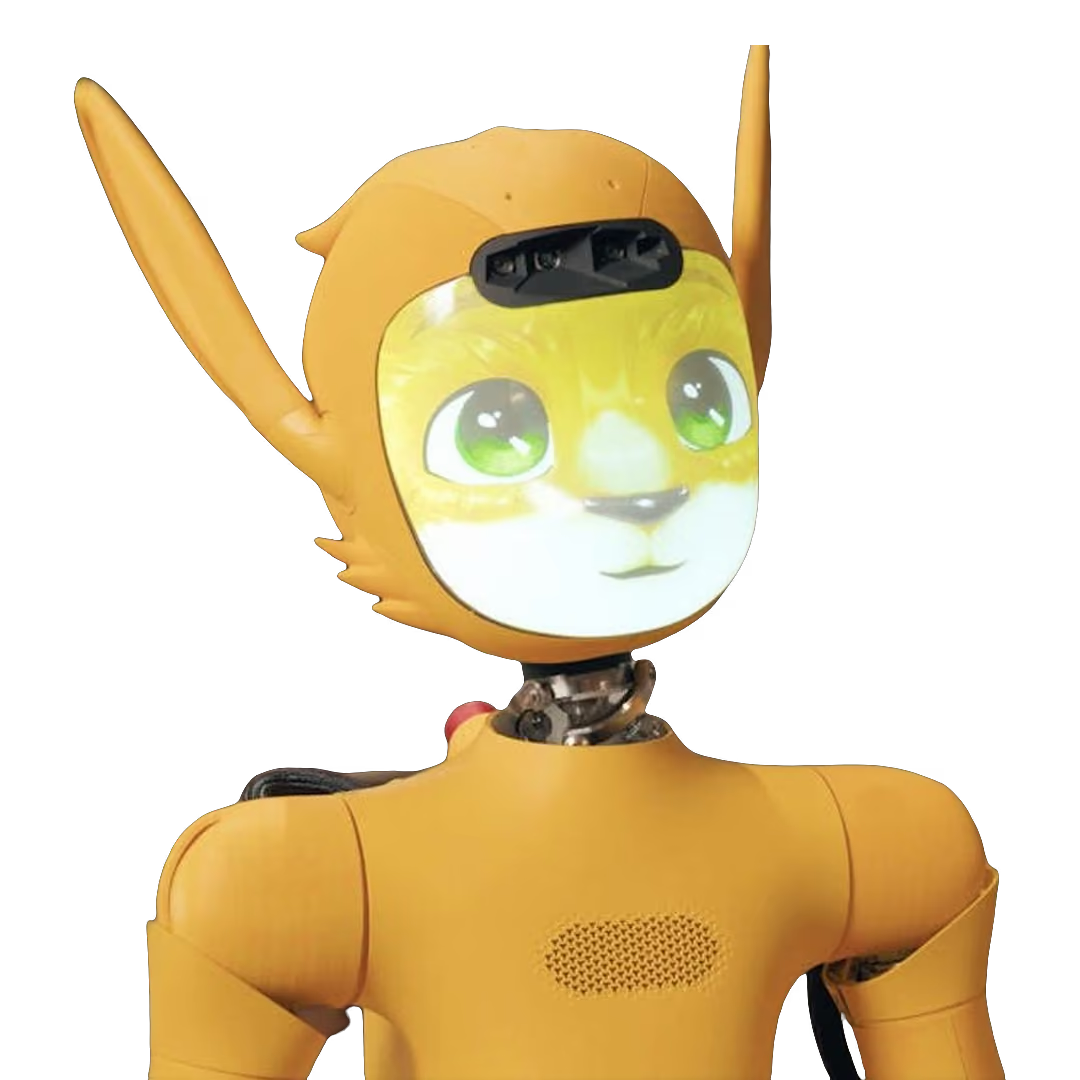
Social robots like Moxie use eyes and body language to signal active listening when interacting with children.


by
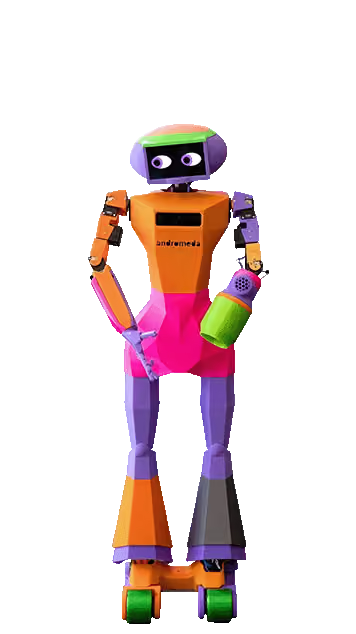
andromeda
A social humanoid robot designed as a companion for aged care and assisted living, capable of speaking over 90 languages to improve resident wellbeing.

by
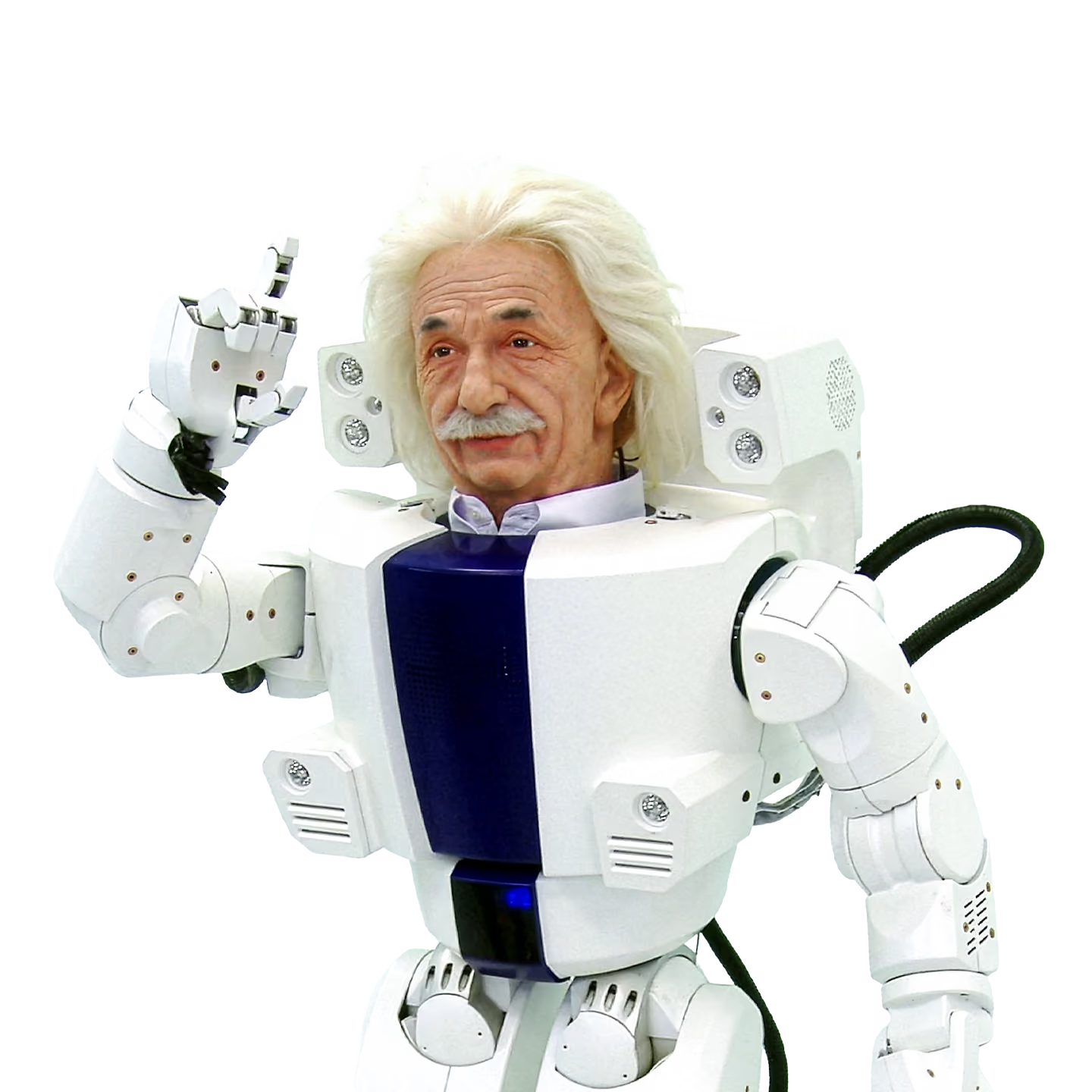
KAIST Hubo Lab
Albert HUBO (2005) was the world’s first android with a head mounted on a life-size walking robotic frame and the world’s first walking humanoid robot.

by
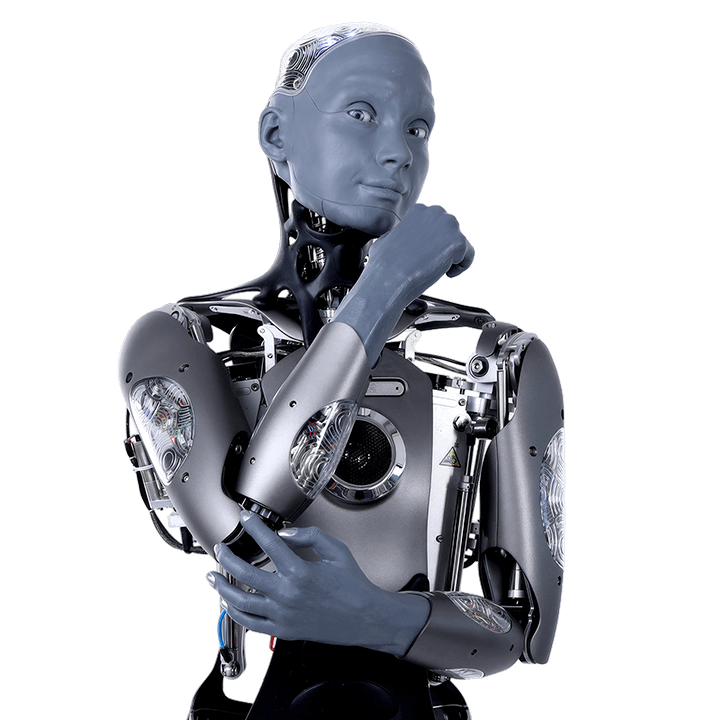
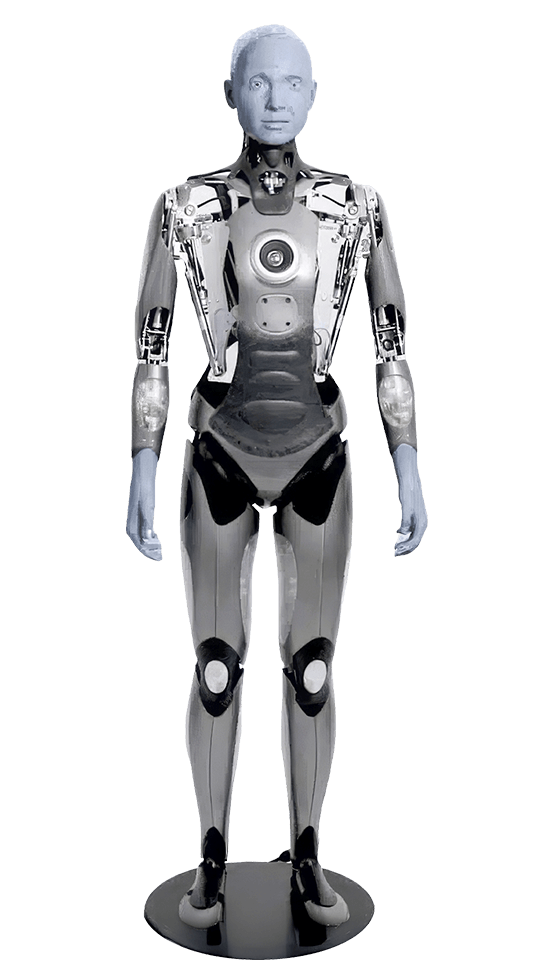
Engineered Arts
The world's most advanced lifelike humanoid robot, designed as a platform for AI development and human-robot interaction with ultra-realistic facial expressions.

by
Booster Robotics
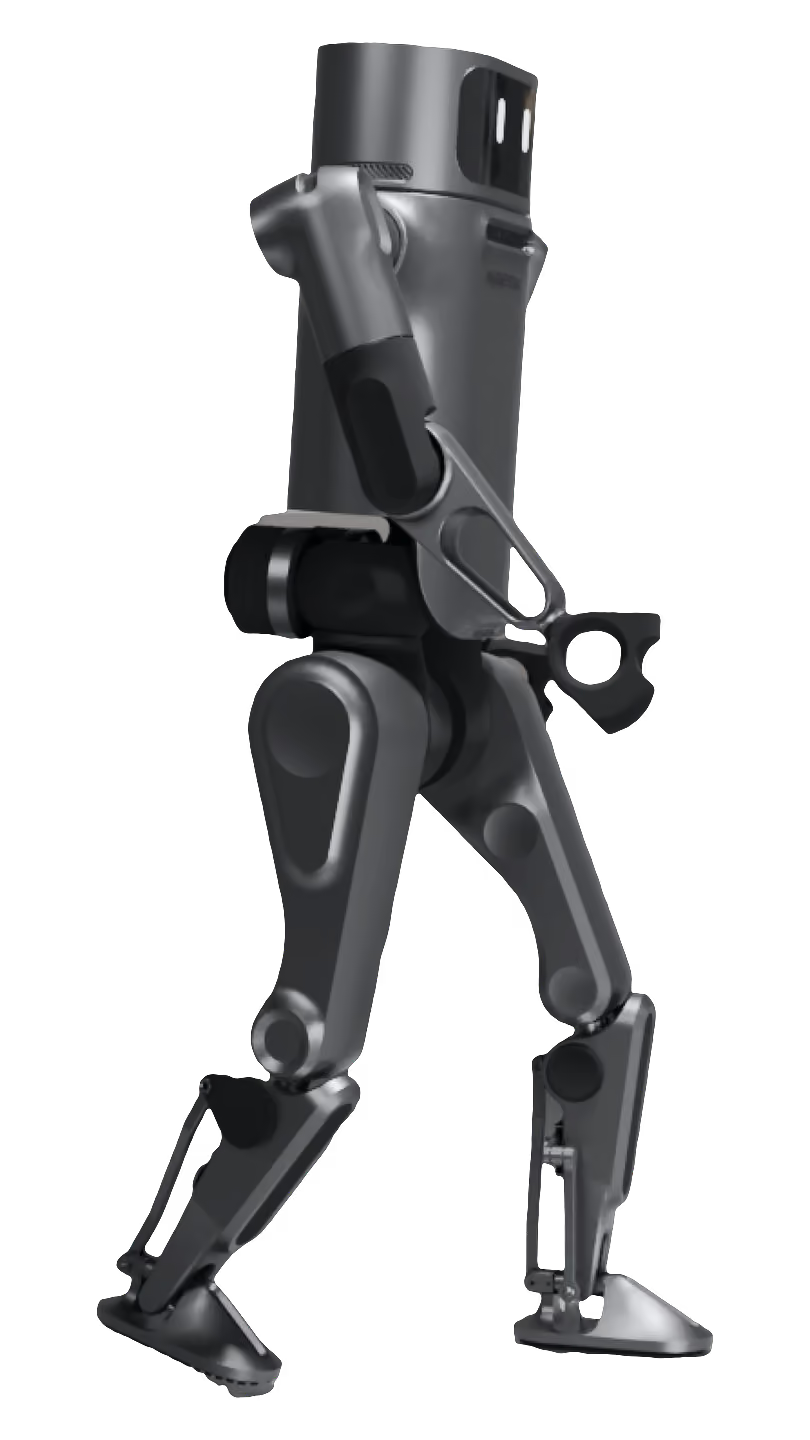
The Booster T1 is a lightweight, high-performance, open-source humanoid robot designed for developers and researchers, featuring ROS2 compatibility, advanced simulation, and AI capabilities.

by
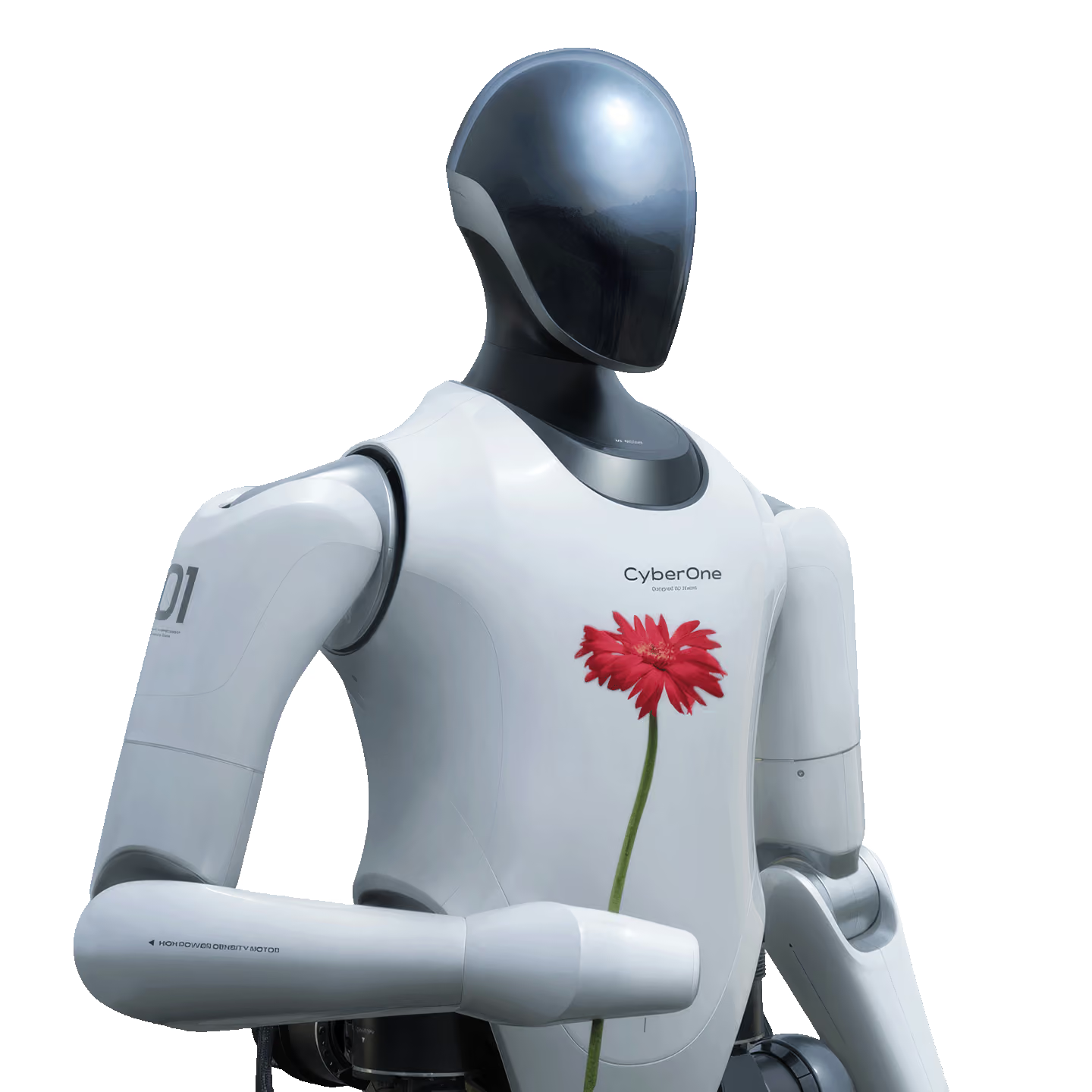
Xiaomi
A full-sized bipedal humanoid robot capable of perceiving 3D space, recognizing human emotions, and performing balance-intensive tasks.

by
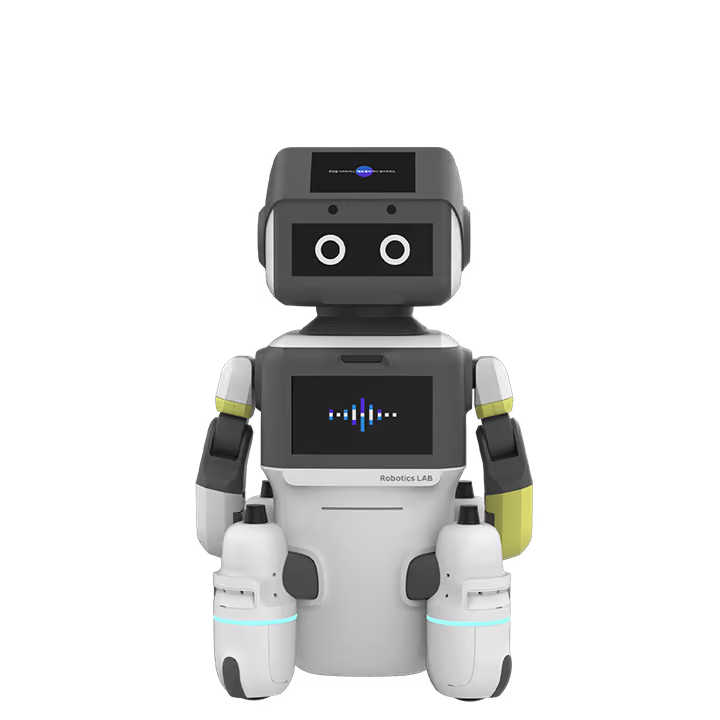
Robotics LAB Hyundai Motor Group
A friendly service robot equipped with facial recognition and language processing to assist customers in retail and showroom environments.

by
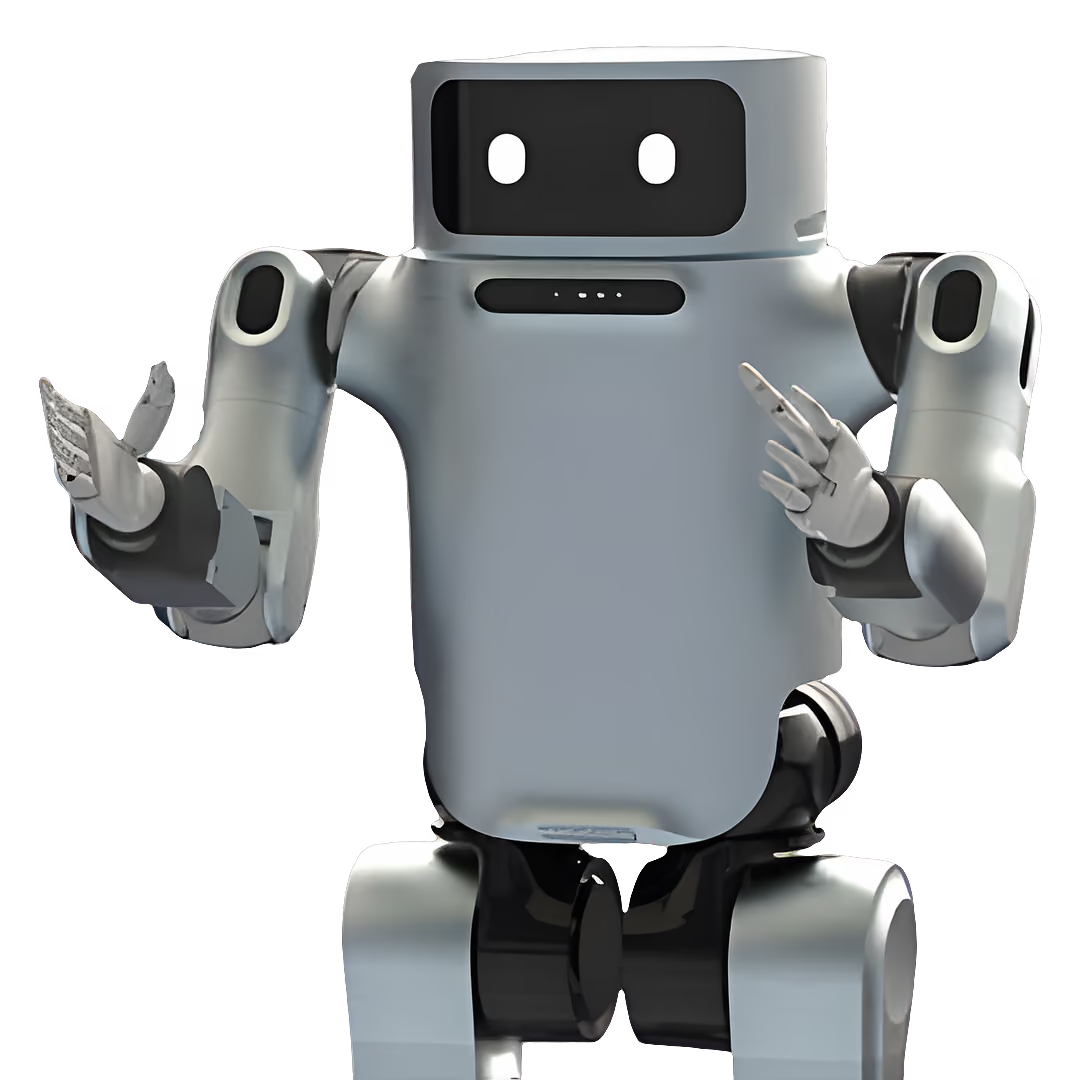
Noetix Robotics
A service robot focused on social interaction and presence.
.svg)
by
Nature
The original bipedal model. Extremely high maintenance, notoriously unreliable, and ships with buggy firmware. (f. ~300,000 BCE)

by
Enchanted Tools
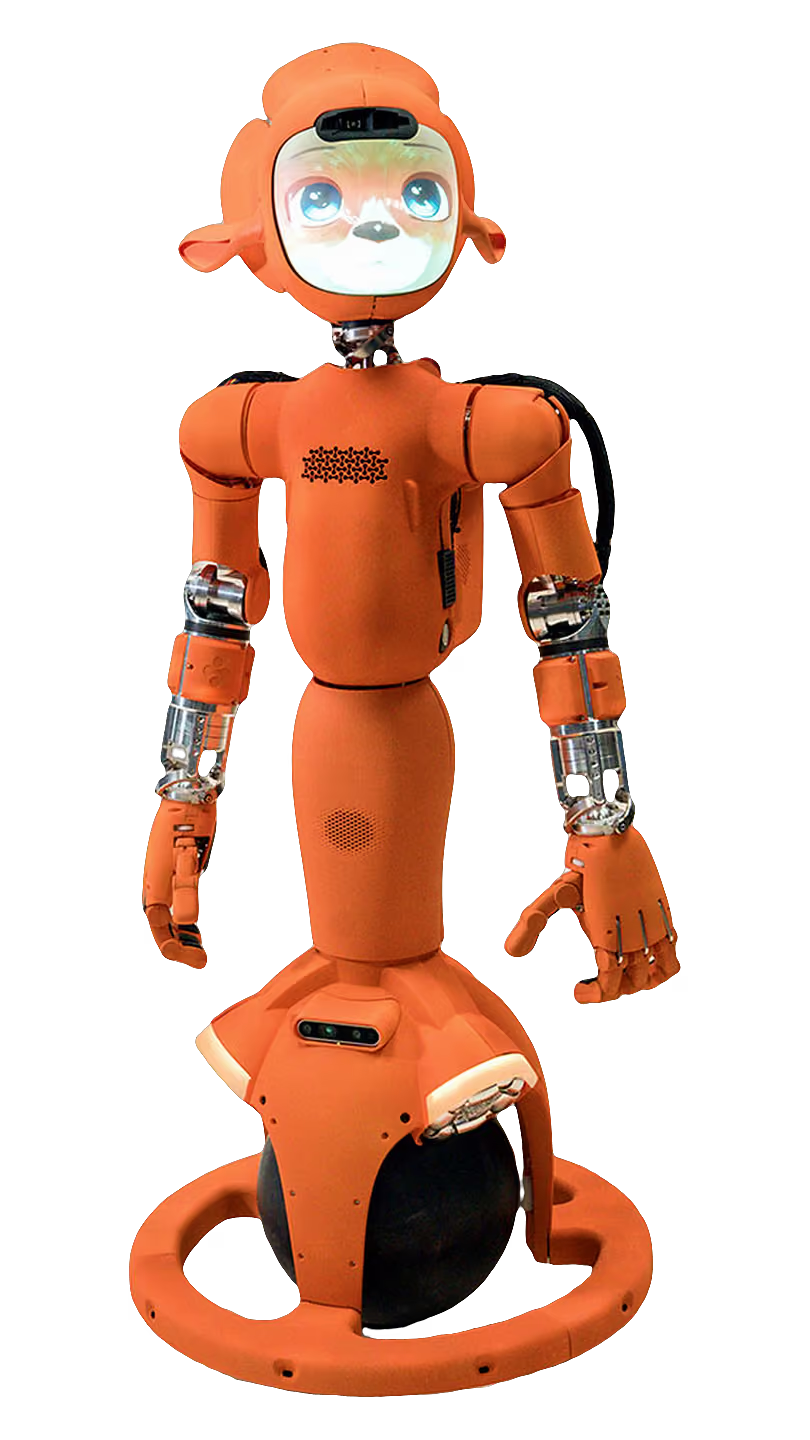
A character-like social logistics robot that balances on a rolling globe (ballbot) and interacts with animated facial expressions.

by
Softbank Robotics
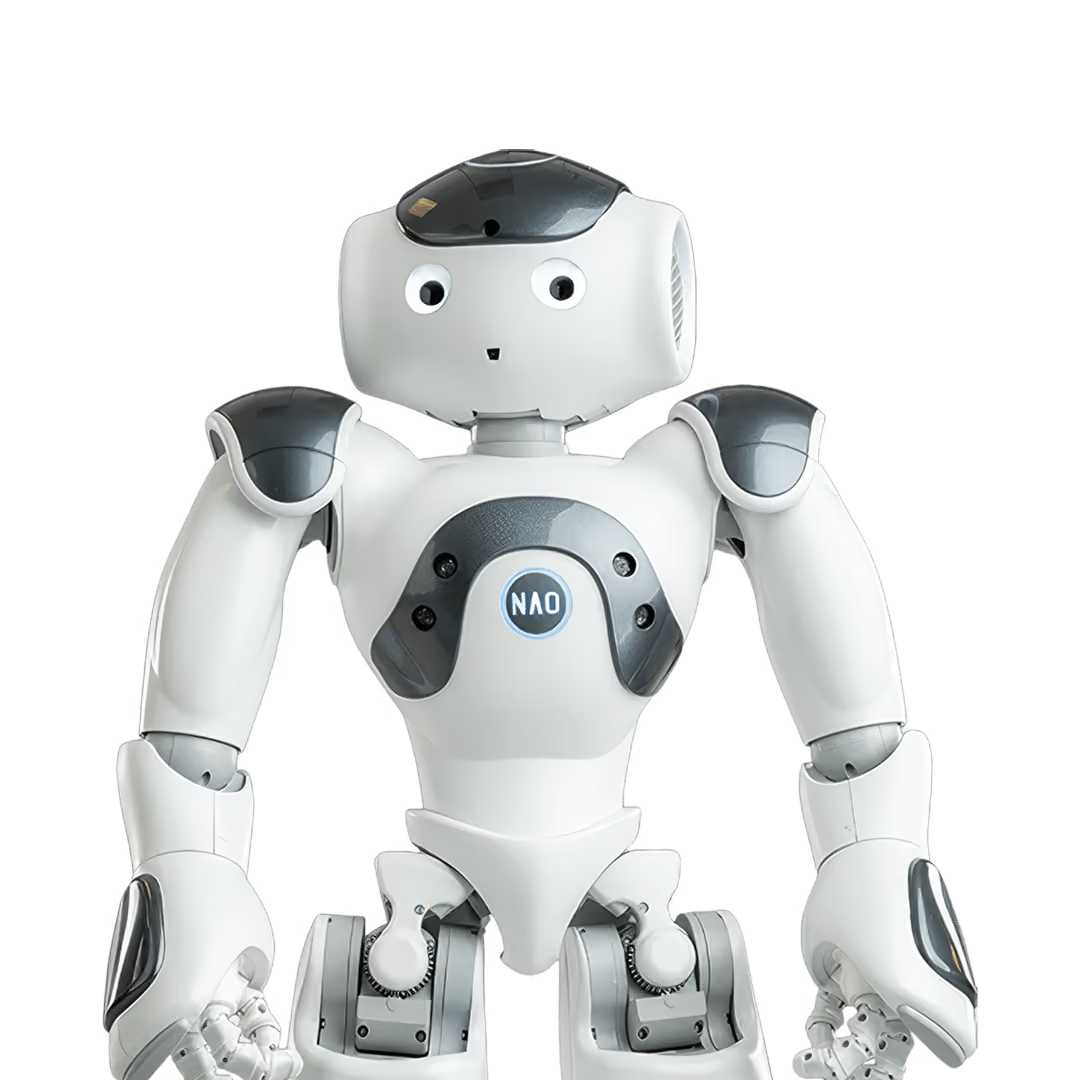
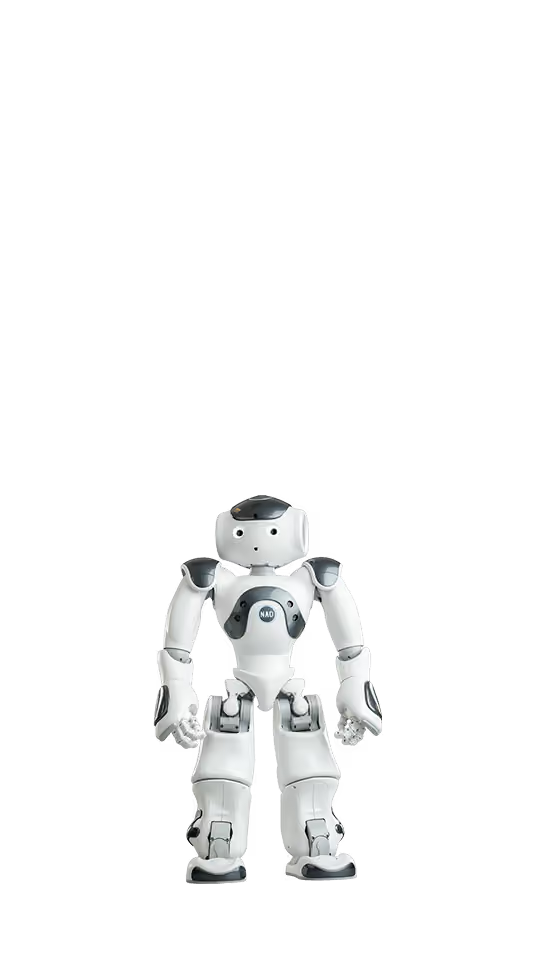
A small, interactive, and programmable humanoid robot widely used in education, research, and healthcare.

by
Maxtronics
A small, interactive, and programmable humanoid robot widely used in education, research, and healthcare.
by
Softbank Robotics
A human-sized, wheeled robot designed for social interaction, widely used in retail and hospitality.

by
Hanson Robotics
Sophia is a well-known social humanoid robot and AI platform, famous for its human-like appearance and conversational abilities. Sophia 2020 robotics platform is available for research, academic, and B2B applications.